Wear Analysis
Introduction
Wear analysis plays a crucial role in understanding the performance and durability of various mechanical components. By examining the wear patterns and mechanisms, engineers can gain valuable insights into the factors that affect the lifespan and efficiency of these components.
Types of Wear
-
Abrasive Wear
Abrasive wear occurs when two surfaces slide or rub against each other, resulting in the removal of material due to the presence of abrasive particles.
-
Adhesive Wear
Adhesive wear happens when two surfaces come into direct contact and experience a strong adhesive force, leading to the transfer of material between the surfaces.
-
Fatigue Wear
Fatigue wear is caused by repeated cyclic loading, which leads to the development of cracks and eventual material failure.
-
Erosive Wear
Erosive wear occurs when solid particles or liquid droplets impinge on a surface, causing material removal and surface degradation.
Factors Affecting Wear
-
Material Properties
The hardness, strength, and ductility of a material significantly influence its wear resistance. Materials with higher hardness values tend to exhibit better wear performance.
-
Lubrication
Proper lubrication helps reduce direct contact between surfaces, minimizing wear. Different lubrication methods, such as boundary, mixed, or hydrodynamic lubrication, can have varying effects on wear.
-
Surface Roughness
Surface roughness affects the contact area and the ability of lubricants to form a protective film. Smoother surfaces generally experience lower wear rates.
-
Operating Conditions
Factors such as temperature, pressure, and velocity can greatly influence wear behavior. Higher temperatures and pressures often accelerate wear processes.
Wear Analysis Techniques
-
Scanning Electron Microscopy (SEM)
SEM allows for high-resolution imaging of wear surfaces, enabling the analysis of wear features, such as scratches, cracks, and material transfer. It provides valuable information about the wear mechanism and severity.
-
Energy-Dispersive X-ray Spectroscopy (EDX)
EDX is used in conjunction with SEM to analyze the elemental composition of worn surfaces. It helps identify the presence of foreign particles or contaminants that may contribute to wear.
-
Optical Profilometry
Optical profilometry measures surface topography and roughness, providing quantitative data for wear analysis. It helps assess wear volume and track changes in surface morphology.
-
Wear Testing
Various wear testing methods, such as pin-on-disc, ball-on-disk, or block-on-ring tests, can simulate real-world wear conditions and quantify wear rates. These tests aid in the evaluation of different materials and lubricants.
Conclusion
Wear analysis is a fundamental aspect of engineering design and maintenance. By understanding the wear mechanisms and factors influencing wear, engineers can optimize material selection, lubrication strategies, and operating conditions to enhance the overall performance and longevity of mechanical components.
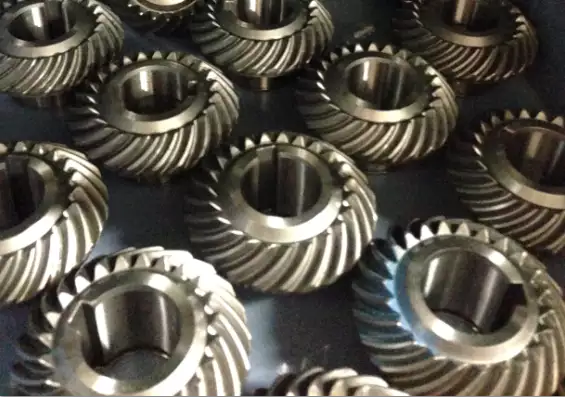
Our company specializes in the production and sale of various types of gears, including spur gears, helical gears, bevel gears, worm gears, and more. We pride ourselves on the following advantages:
1. High-Quality Materials
We use only the finest materials in the manufacturing of our gears. This ensures durability, reliability, and optimal performance in various applications.
2. Advanced Technology
Our company employs cutting-edge technology and machinery to produce gears with precise dimensions and superior quality. This allows for smoother operation and increased efficiency.
3. Skilled Workforce
We have a team of highly skilled and experienced professionals who are experts in gear production. Their expertise ensures that each gear is meticulously crafted to meet the highest standards.
4. Customization Options
We understand that different applications require specific gear specifications. Therefore, we offer customization options to tailor our gears to meet the unique requirements of our customers.
5. Competitive Pricing
Despite the exceptional quality of our gears, we strive to provide competitive pricing that offers great value for our customers. We believe that high-quality gears should be accessible to all.
The birth of a gear involves several steps and processes, including:
1. Design and Engineering
First, our team of engineers designs the gear based on the specific requirements and application. They consider factors such as load capacity, torque, speed, and size to create an optimal design.
2. Material Selection
Once the design is finalized, we carefully select the appropriate materials that will ensure the gear’s strength, durability, and resistance to wear and tear.
3. Manufacturing
Our advanced manufacturing processes involve precision cutting, shaping, and heat treatment to create gears with accurate dimensions and excellent mechanical properties.
4. Quality Control
Each gear undergoes rigorous quality control checks to ensure that it meets our stringent standards. This includes dimensional accuracy, surface finish, and functional performance tests.
5. Testing and Inspection
Before the gears are shipped to our customers, they undergo thorough testing and inspection to verify their performance and reliability. This ensures that only top-quality gears reach our clients.
Partnering with our company means gaining access to high-quality gears that are tailor-made to meet your specific needs. With our advanced technology, skilled workforce, and commitment to excellence, we guarantee customer satisfaction and long-term success.
Author: Miya