Spare parts preparation
Hydraulic cylinder is commonly used as an executive element in the industrial field, and its assembly process is very important. Before assembly, the first step is to prepare the parts. This process includes thorough cleaning of the various parts of the cylinder to ensure that the surface of the parts is smooth, free of impurities and rust, so as to avoid the introduction of pollutants during the assembly process and affect the performance of the cylinder. At the same time, it is also necessary to strictly check the size and quality of the parts to ensure that each part meets the design requirements to ensure that the assembled cylinder has stable working performance and long service life.
Install seals
The seal is an important part of the hydraulic cylinder, and its installation position and way are directly related to the sealing performance of the cylinder. When installing the seal, it must be carried out in strict accordance with the design requirements to ensure that the seal can be correctly and firmly installed in the specified position. The accurate execution of this step can effectively prevent oil leakage in the working process of the cylinder and ensure the normal operation of the hydraulic system.
Assemble the piston rod
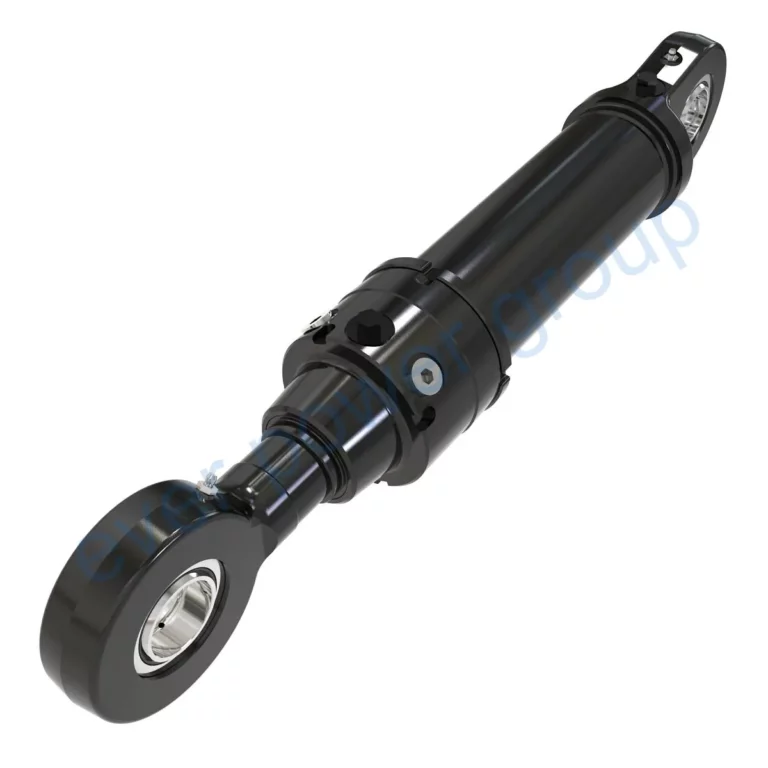
The piston rod is the key component in the hydraulic cylinder, and its friction force and sealing performance have an important effect on the working performance of the cylinder. When assembling the piston rod, it is necessary to ensure that the fit between it and the seal is good, both to ensure that the piston rod can move smoothly and to prevent oil leakage. Therefore, special attention needs to be paid to the installation position and installation method of the piston rod during the assembly process to ensure that it can meet the design requirements and achieve good working performance.
Install the valve block and pipeline
Valve block and pipeline are important components in hydraulic system, they are responsible for controlling the flow direction and pressure of hydraulic oil. When installing the valve block and pipe, ensure that the valve block and pipe are correctly installed and the connection is tight without leakage according to the design requirements. The accurate execution of this step can effectively prevent oil leakage and pressure loss and ensure the normal operation of the hydraulic system.
Assembly of oil tank and hydraulic pump
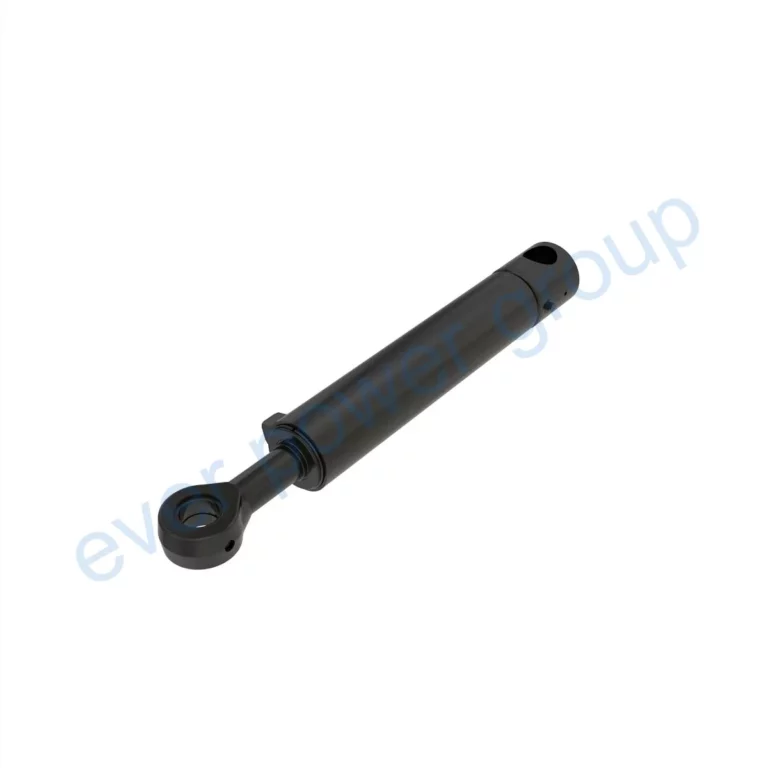
The oil tank and hydraulic pump are the core components of the hydraulic system, which are responsible for providing stable oil and power for the hydraulic system. When assembling the fuel tank and hydraulic pump, they need to be installed to the specified position, and the relevant pipeline connection and debugging work. This step requires special attention to the cleanliness of the oil and the normal operation of the pump to ensure the stability and reliability of the entire hydraulic system. At the same time, it is also necessary to carry out the necessary inspection and testing of the fuel tank and hydraulic pump to ensure that they can meet the design requirements and provide a strong guarantee for the normal work of the hydraulic cylinder.
Summary
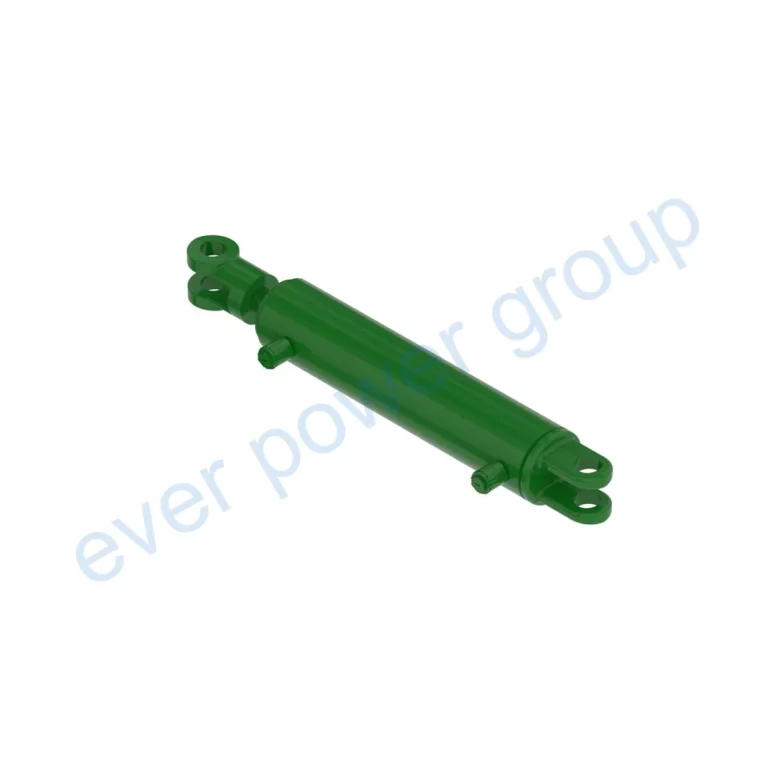
Through the assembly process of the above steps, the performance and reliability of the hydraulic cylinder can be guaranteed, and its application value in industrial production can be improved. At the same time, the implementation of a good assembly process can also improve production efficiency, reduce production costs, and bring more benefits to industrial production. Therefore, in the assembly process of the hydraulic cylinder, it is necessary to operate in strict accordance with the process flow to ensure that every step is accurate to achieve the best working performance of the hydraulic cylinder.