1. Introduction
In the field of metallurgy, the use of stainless steel anode chains in electrolysis processes is a common practice. However, this technique is not without its challenges. This article will delve into the common problems associated with stainless steel metallurgical electrolysis anode chains and provide insights into their causes and potential solutions.
2. Corrosion Resistance
One of the primary concerns with stainless steel metallurgical electrolysis anode chains is their corrosion resistance. Although stainless steel is known for its excellent resistance to corrosion, it is not entirely immune to certain corrosive environments.
Under specific conditions, such as exposure to highly acidic or alkaline solutions, stainless steel anode chains may experience localized corrosion or pitting. This phenomenon occurs due to the breakdown of the protective oxide layer on the surface of the stainless steel, leading to the formation of small pits or holes.
To mitigate this issue, it is crucial to select stainless steel alloys with higher corrosion resistance, such as duplex stainless steels or super austenitic stainless steels. These alloys have a higher content of alloying elements, providing enhanced resistance to corrosive environments.
3. Mechanical Strength
Another challenge faced with stainless steel metallurgical electrolysis anode chains is maintaining their mechanical strength over prolonged periods of use. These chains are subjected to various mechanical stresses, including tension, compression, and bending, which can potentially lead to their failure.
To address this problem, manufacturers should carefully consider the design and material selection for the anode chains. Utilizing stainless steel alloys with higher tensile strength and elongation properties can improve their mechanical performance. Additionally, optimizing the chain’s geometry and ensuring proper installation can also enhance its overall strength and durability.
4. Carbon Contamination
Carbon contamination is another significant issue encountered in stainless steel metallurgical electrolysis anode chains. During the electrolysis process, carbonaceous impurities may deposit onto the surface of the chains, negatively affecting their performance.
This contamination can lead to increased electrical resistance and compromised conductivity, hampering the efficiency of the electrolysis process. To prevent carbon contamination, regular cleaning and maintenance of the anode chains are essential. Implementing effective cleaning procedures and utilizing protective coatings can help minimize the deposition of carbonaceous impurities.
5. Thermal Expansion
Thermal expansion is a critical factor to consider when using stainless steel metallurgical electrolysis anode chains. These chains are exposed to significant temperature variations during the electrolysis process, which can induce thermal expansion and contraction.
If the thermal expansion is not accounted for, it can result in mechanical stress, distortion, and even failure of the anode chains. Proper engineering and design considerations, including selecting stainless steel alloys with low thermal expansion coefficients and incorporating expansion joints or flexible elements, can mitigate the detrimental effects of thermal expansion.

6. Contaminant Build-up
Contaminant build-up on stainless steel metallurgical electrolysis anode chains can occur over time, hindering their performance and efficiency. Various contaminants, such as scale, mineral deposits, or organic matter, can accumulate on the chain’s surface.
To address this issue, regular inspection, cleaning, and maintenance of the anode chains are crucial. Implementing appropriate cleaning techniques, such as mechanical or chemical cleaning, can effectively remove the built-up contaminants and restore the chains’ functionality.
7. Conclusion
Stainless steel metallurgical electrolysis anode chains play a vital role in various electrolysis processes. However, it is essential to be aware of the common problems associated with these chains to ensure optimal performance and longevity.
By addressing issues such as corrosion resistance, mechanical strength, carbon contamination, thermal expansion, and contaminant build-up, operators can minimize disruptions and maximize the efficiency of their metallurgical electrolysis processes.
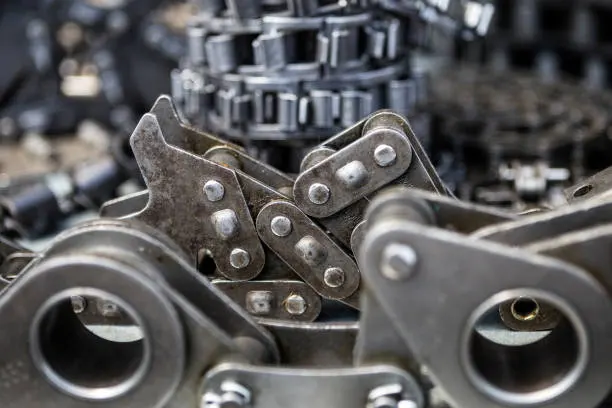
Why Choose Ever-power Stainless Steel Chains for Metallurgy Industry?
If you are looking for high-quality stainless steel chains for metallurgy industry, look no further than Ever-power. Our chains have been designed and manufactured to meet the unique demands of the metallurgical industry. Here are some of the reasons why our stainless steel chains are the best in the industry:
1. High-Quality Materials: We use only the highest quality materials to manufacture our stainless steel chains. This ensures that our chains are durable, long-lasting, and can withstand the harsh conditions of the metallurgical industry.
2. Customizable: We understand that every customer has unique needs. That’s why we offer customizable stainless steel chains to meet your specific requirements. We work closely with our customers to ensure that we deliver chains that meet their needs.
3. Excellent Service: At Ever-power, we are committed to providing our customers with excellent service. We have a team of highly trained professionals who are always on hand to answer any questions you may have and to provide assistance when you need it.
4. Wide Range of Products: Apart from metallurgical electrolysis anode chains, we also offer a wide range of stainless steel roller chains for various other industries. So, no matter what your needs are, we have a chain that will work for you.
With over 20 years of experience in the industry, we are confident that we can provide you with the best stainless steel chains for your metallurgical needs.

Sprockets for Sale
When it comes to selecting a suitable sprocket for use in the metallurgical industry, it is important to consider the common problems that can arise with stainless steel metallurgical electrolysis anode chains. Choosing the right sprocket can help prevent issues such as premature wear and tear, corrosion, and breakdowns.
To ensure optimal performance, it is recommended to choose sprockets that are made from high-quality materials such as stainless steel, hardened steel, or cast iron. It is also crucial to select sprockets that are compatible with the specific chain size and pitch.
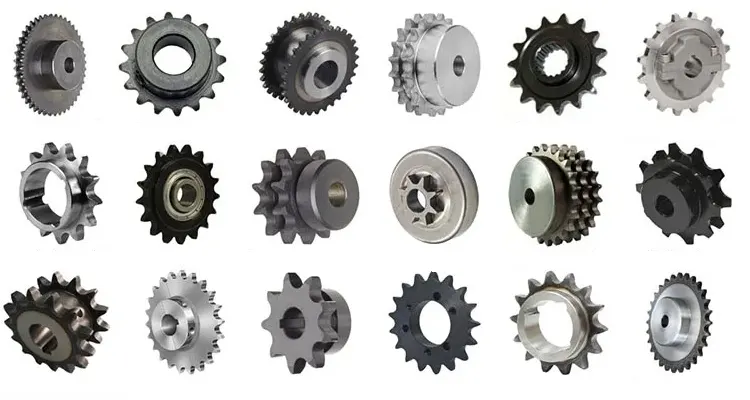
At our company, we offer a wide range of sprockets for sale, including those specially designed for use in the metallurgical industry. Our products are made from top-grade materials and are available in various sizes and specifications to meet the unique needs of our clients.
Take a look at the image below to see examples of some of the sprockets we offer:
Edited By Zqq.