Tag Archives: Bevel Gear

Gear Contact Strength

Gear Contact Strength

Introduction

When it comes to gear mechanisms, one crucial factor to consider is the gear contact strength. This refers to the capability of gears to withstand the forces exerted during operation, ensuring smooth and efficient transmission of power. In this article, we will delve into the various aspects of gear contact strength and its significance in mechanical systems.

1. Gear Material Selection

The choice of material for gears plays a vital role in determining their contact strength. Factors such as hardness, durability, and fatigue resistance must be taken into account. High-strength alloys, such as carburized steel or hardened steel, are commonly employed to enhance gear contact strength.

2. Surface Roughness and Lubrication

The surface roughness of gears has a direct impact on their contact strength. Smoother surfaces result in better load distribution and reduced friction, thereby improving the overall contact strength. Additionally, proper lubrication is essential to minimize wear and friction, ensuring optimal gear performance.

3. Tooth Profile Optimization

The design of gear tooth profiles significantly affects their contact strength. Utilizing advanced techniques like involute or cycloidal profiles can optimize the load distribution across the gear mesh, enhancing contact strength and reducing the risk of tooth failure.

4. Tooth Load Distribution

Uniform load distribution is critical for maximizing gear contact strength. By employing various load-sharing mechanisms like helical gears or multiple gear sets, the load can be evenly distributed, minimizing stress concentrations and improving the gear’s ability to withstand external forces.

5. Tooth Surface Treatment

Applying surface treatments, such as nitriding or shot peening, can significantly enhance gear contact strength. These treatments improve surface hardness, reduce friction, and increase resistance to wear and fatigue, resulting in increased gear reliability and longevity.

6. Contact Ratio Optimization

The contact ratio, defined as the ratio of the number of teeth in contact to the total number of teeth in a gear pair, has a substantial impact on contact strength. Optimizing the contact ratio by adjusting gear parameters can improve load distribution and reduce the risk of tooth failure under excessive loads.

7. Tooth Fillet Design

The fillet radius, or the curvature at the base of the gear tooth, plays a crucial role in gear contact strength. A larger fillet radius helps to distribute stress concentrations, minimizing the risk of crack initiation, which can lead to catastrophic gear failure.

8. Dynamic Load Considerations

Gear systems often encounter dynamic loads due to varying operating conditions. Accounting for these dynamic loads, such as shock or impact forces, during the design phase is crucial to ensure the gear contact strength is adequate to withstand these unpredictable forces.

9. Temperature Effects

Elevated temperatures can adversely affect gear contact strength. Thermal expansion, material softening, and reduced lubrication effectiveness can all contribute to decreased contact strength. Proper cooling mechanisms and suitable material selection can help mitigate these temperature-related challenges.

10. Gear Tooth Stiffness

The stiffness of gear teeth affects their ability to resist deformation under load. Higher tooth stiffness ensures better contact between meshing gears, enhancing contact strength. Factors such as gear geometry, material properties, and tooth thickness influence tooth stiffness.

11. Contact Fatigue Analysis

Performing contact fatigue analysis provides valuable insights into gear contact strength. By simulating various operating conditions, such as load magnitude and duration, engineers can evaluate the gear’s resistance to fatigue failure and make necessary design improvements.

12. Gear Tooth Geometry Inspection

Regular inspection of gear tooth geometry is essential to maintain optimal contact strength. Techniques like coordinate measuring machines (CMM) or gear rolling testers can help identify any deviations from the desired tooth profile, allowing for timely corrective actions.

13. Noise and Vibration Control

Noise and vibration in gear systems can indicate potential contact strength issues. By implementing measures like proper gear alignment, damping techniques, or vibration isolation, the risk of excessive noise and vibration can be reduced, ensuring optimal gear performance.

14. Gear Fatigue Life Prediction

Accurately predicting gear fatigue life is crucial for assessing contact strength. Utilizing advanced computational tools, engineers can simulate various loading scenarios and estimate the gear’s expected life cycle, enabling proactive maintenance and replacement strategies.

15. Gear Failure Analysis

In the event of gear failure, conducting a comprehensive failure analysis is essential to identify the underlying causes and prevent recurrence. Factors such as excessive load, material defects, or inadequate lubrication can significantly impact gear contact strength and lead to premature failure.
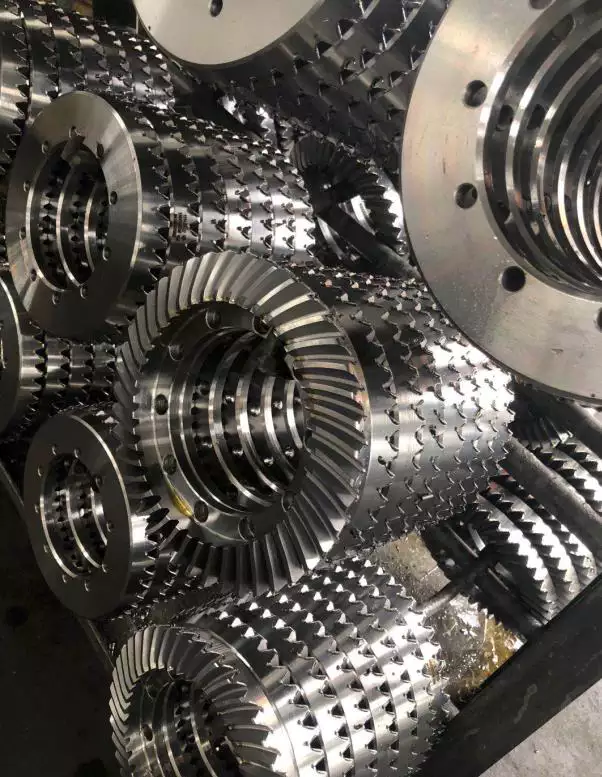
Gear Factory

In conclusion, gear contact strength is a critical aspect of gear design and performance. By considering factors such as material selection, surface roughness, tooth profile optimization, and load distribution, engineers can ensure gears can withstand the forces encountered during operation, resulting in reliable and efficient mechanical systems.

Our company specializes in the production and sale of various types of gears, including spur gears, helical gears, bevel gears, worm gears, and more. We take pride in offering top-quality gear products to meet the diverse needs of our customers. Here are six key advantages of choosing our company:

1. High-Quality Materials

At our company, we use only the finest materials to manufacture our gears. This ensures durability, reliability, and optimal performance for our customers.

2. Advanced Manufacturing Techniques

We employ advanced manufacturing techniques to produce gears with high precision and excellent craftsmanship. Our state-of-the-art facilities and skilled technicians guarantee the utmost quality in every gear we produce.

3. Extensive Product Range

Our company offers a wide range of gear types, sizes, and specifications to cater to various industries and applications. Whether you need small gears for precision instruments or large gears for industrial machinery, we have got you covered.

4. Customization Options

We understand that different projects may require unique gear solutions. That’s why we offer customization options to tailor our gears to your specific requirements. Our team of experts will work closely with you to design and manufacture gears that meet your exact needs.

5. Stringent Quality Control

Quality is our top priority. We have implemented rigorous quality control measures throughout our production process to ensure that each gear meets the highest standards. From material inspection to final testing, we leave no room for compromise.

6. Timely Delivery

We understand the importance of time in business operations. With our efficient production and logistics systems, we guarantee prompt delivery of your gear orders. You can rely on us to meet your deadlines without compromising on quality.

The Gear Manufacturing Process

Creating a gear involves several important steps and processes. Here is a breakdown of the typical gear manufacturing process:

1. Design and Engineering

Before production begins, our team of skilled engineers will design the gear based on your specific requirements and applications. They will consider factors such as load capacity, gear ratio, tooth profile, and more.

2. Material Selection

Once the design is finalized, we carefully select the appropriate materials for the gear. Factors such as strength, wear resistance, and compatibility with other components are taken into account to ensure optimal performance.

3. Cutting or Forming

The chosen manufacturing method, whether it be cutting or forming, is then employed to shape the gear. Cutting involves removing excess material, while forming involves molding the gear using specialized techniques.

4. Heat Treatment

To enhance the strength and durability of the gear, heat treatment is often applied. This process involves heating the gear to a specific temperature and then cooling it rapidly to achieve the desired properties.

5. Finishing and Inspection

After the gear is formed and heat-treated, it undergoes a series of finishing processes, such as grinding, honing, and deburring, to achieve the desired surface finish and dimensional accuracy. Each gear is then thoroughly inspected to ensure it meets our stringent quality standards.

Partner with us for your gear needs, and experience the quality and reliability that sets us apart from the competition. Contact us today to discuss how we can collaborate and provide you with the perfect gear solutions for your business.

Author: Miya
Gear Plastic Flow on Flanks

Gear Plastic Flow on Flanks

Introduction

Gear Plastic Flow on Flanks is a critical phenomenon that occurs in gear systems. In this article, we will explore the various aspects of Gear Plastic Flow on Flanks and its implications in mechanical engineering. This phenomenon is characterized by the deformation and flow of plastic material on the flank surfaces of gears. It is important to understand the causes, effects, and preventive measures associated with Gear Plastic Flow on Flanks to ensure efficient and reliable gear performance.

Understanding Gear Plastic Flow

Gear Plastic Flow on Flanks is a complex process that involves the gradual deformation of the gear material under specific operating conditions. This phenomenon occurs due to factors such as high loads, inadequate lubrication, and improper gear design. It is crucial to analyze the different aspects of Gear Plastic Flow to optimize gear performance and extend their lifespan.

Causes of Gear Plastic Flow

1. High Pressure Zones: Gear Plastic Flow is often initiated in areas of high pressure contact between gear teeth. These zones experience elevated stress levels, leading to material deformation and flow.

2. Insufficient Lubrication: Inadequate lubrication between gear teeth can increase friction and heat generation, contributing to the onset of Gear Plastic Flow on Flanks.

3. Surface Roughness: Rough flank surfaces can intensify the plastic flow phenomenon as they promote localized stress concentration.

4. Material Properties: The choice of gear material and its properties, such as hardness and ductility, can influence the susceptibility to Gear Plastic Flow.

Effects of Gear Plastic Flow

1. Decreased Tooth Contact Ratio: Gear Plastic Flow can alter the gear tooth profile, leading to a decrease in the tooth contact ratio. This can negatively impact the gear’s load-carrying capacity and efficiency.

2. Increased Noise and Vibration: Plastic deformation on gear flanks can result in increased noise and vibration levels, affecting the overall performance and reliability of the gear system.

3. Loss of Dimensional Accuracy: Gear Plastic Flow causes a deviation in the gear’s dimensional accuracy, leading to potential misalignments and decreased gear meshing efficiency.

4. Reduced Gear Life: The presence of Gear Plastic Flow on Flanks can significantly reduce the gear’s lifespan, resulting in frequent maintenance and replacement requirements.

Preventive Measures

1. Proper Lubrication: Ensuring adequate lubrication between gear teeth is crucial to minimize friction and prevent excessive heat generation, thereby reducing the risk of Gear Plastic Flow.

2. Optimal Gear Design: Implementing appropriate gear design practices, such as optimized tooth profiles and material selection, can help mitigate the occurrence of Gear Plastic Flow.

3. Surface Treatment: Applying suitable surface treatments, such as shot peening or nitriding, can enhance the surface hardness and reduce the chances of plastic deformation.

4. Load Distribution: Properly distributing the load across multiple gear teeth can minimize stress concentration and alleviate the risk of Gear Plastic Flow on Flanks.

Conclusion

Gear Plastic Flow on Flanks is a phenomenon that demands attention in gear system design and operation. By understanding its causes, effects, and preventive measures, engineers can ensure the reliability and longevity of gears. It is crucial to implement appropriate measures to minimize Gear Plastic Flow and optimize gear performance in various mechanical applications.

Gear Plastic Flow on Flanks

Our company specializes in the production and sale of various types of gears, including spur gears, helical gears, bevel gears, worm gears, and more. We take pride in the following 6 advantages that set our company apart:

1. High-Quality Materials

We use only the finest materials for our gears, ensuring durability and longevity.

2. Precision Engineering

Our gears are meticulously engineered to ensure optimal performance and smooth operation.

3. Advanced Manufacturing Technology

We employ state-of-the-art manufacturing technology to produce gears that meet the highest industry standards.

4. Strict Quality Control

Every gear undergoes rigorous quality control measures to guarantee flawless performance and reliability.

5. Customization Options

We offer a wide range of customization options to meet the unique needs and specifications of our clients.

6. Competitive Prices

Despite our commitment to quality, we strive to offer competitive prices, making our gears an excellent value for money.

A gear goes through several steps and processes before it comes to life. Here is a breakdown of the journey:

1. Design and Conceptualization

Our team of skilled engineers works closely with clients to understand their requirements and conceptualize the ideal gear design.

2. Material Selection

Based on the gear’s intended use and specifications, the appropriate materials are carefully selected to ensure optimal performance.

3. CNC Machining

Computer Numerical Control (CNC) machines are used to precisely shape and cut the gear components according to the design specifications.

4. Heat Treatment

The gear undergoes a heat treatment process to enhance its hardness, toughness, and resistance to wear and tear.

5. Grinding and Finishing

The gear is meticulously ground and finished to achieve the desired surface smoothness and dimensional accuracy.

6. Quality Assurance Testing

Each gear undergoes rigorous testing to ensure it meets our high-quality standards, including checks for accuracy, noise levels, and endurance.

At our company, we value collaboration and look forward to partnering with you. Together, we can achieve great things. Contact us today to discuss how we can meet your gear needs.

Author: Miya

Gear Integrated Gearbox Design

Gear Integrated Gearbox Design

Gear integrated gearbox design is a cutting-edge concept that revolutionizes the functionality and performance of traditional gearboxes. This innovative approach combines advanced engineering principles with state-of-the-art technology to create a gearbox system that surpasses its predecessors in terms of efficiency, durability, and versatility. In this article, we will delve into the intricacies of gear integrated gearbox design, exploring its key features and benefits.

1. Integrated Gear System

The heart of the gear integrated gearbox design is the integrated gear system. Unlike conventional gearboxes, which consist of multiple gears connected by shafts, the integrated gear system incorporates all the gears into a single, compact unit. This design eliminates the need for additional shafts and bearings, reducing friction and energy losses.

2. Enhanced Power Transmission

By eliminating the need for multiple gear connections, gear integrated gearbox design significantly enhances power transmission efficiency. The integrated gear system allows for direct power transfer, minimizing energy wastage and maximizing the output torque. This feature makes gear integrated gearboxes ideal for high-demand applications that require optimal power delivery.

3. Increased Durability

The integration of gears in a single unit improves the overall structural integrity of the gearbox. With reduced points of failure and improved load distribution, gear integrated gearboxes exhibit exceptional durability and resistance to wear and tear. This enhanced durability ensures prolonged operational life, minimizing maintenance requirements and downtime.

4. Flexibility in Design

Gear integrated gearbox design offers unparalleled flexibility in terms of design possibilities. The compact nature of the integrated gear system allows for more efficient use of space, making it suitable for various applications where size and weight are critical factors. Additionally, the modular nature of the design enables easy customization and adaptation to specific requirements.

5. Noise Reduction

The integration of gears in a single unit greatly reduces vibration and noise levels in gear integrated gearboxes. The elimination of multiple gear connections minimizes the points of contact and potential sources of noise generation. This feature makes gear integrated gearboxes perfect for applications that demand low noise levels, such as precision machinery and automotive systems.

6. Improved Lubrication

One significant advantage of gear integrated gearbox design is the improved lubrication system. With the integration of gears in a single unit, the lubricant can be distributed more effectively, ensuring optimal lubrication across all gear surfaces. This enhanced lubrication reduces friction and heat generation, leading to improved overall performance and extended component life.

7. Advanced Material Selection

Gear integrated gearboxes utilize advanced material selection techniques to enhance their performance and reliability. By carefully selecting materials with superior mechanical properties and wear resistance, gear integrated gearboxes can withstand high loads and harsh operating conditions. This feature makes them suitable for demanding applications in industries such as aerospace, automotive, and heavy machinery.

8. Superior Efficiency

Thanks to the integrated gear system, gear integrated gearboxes exhibit superior efficiency compared to traditional gearbox designs. The reduction in friction, energy losses, and unnecessary components results in significantly improved overall efficiency. This increased efficiency leads to reduced energy consumption, lower operating costs, and a smaller carbon footprint.

9. Enhanced Control and Precision

Gear integrated gearboxes offer enhanced control and precision in power transmission. The compact design and direct power transfer enable more accurate and responsive control over gear engagement and disengagement. This feature is particularly beneficial in applications that require precise and synchronized movements, such as robotics, machine tools, and industrial automation.

10. Application Examples

Gear integrated gearbox design finds applications across various industries. Some notable examples include:

  • High-performance racing cars
  • Aerospace propulsion systems
  • Wind turbine generators
  • Heavy-duty construction equipment
  • Medical imaging devices

11. Future Developments

The field of gear integrated gearbox design is continuously evolving, with ongoing research and development efforts aimed at further enhancing its capabilities. Future developments may include:

  • Integration of smart sensors for real-time monitoring
  • Implementation of advanced control algorithms for optimized performance
  • Exploration of new materials and manufacturing techniques
  • Integration with IoT technology for enhanced connectivity and system integration

Overall, gear integrated gearbox design represents a remarkable advancement in the field of power transmission. With its numerous benefits and innovative features, it offers a promising solution for industries seeking to optimize their performance and efficiency. Embracing gear integrated gearboxes can lead to significant improvements in productivity, reliability, and sustainability.

Gear Integrated Gearbox

Our company specializes in the production and sale of various types of gears, including spur gears, helical gears, bevel gears, worm gears, and more. With years of experience and expertise in gear manufacturing, we take pride in offering top-quality products that meet the diverse needs of our customers.

Our Company’s Advantages

  1. High-Quality Materials: We source the finest materials for our gears, ensuring durability and optimal performance.
  2. Precision Engineering: Our team of skilled engineers employs advanced techniques to design and manufacture gears with utmost precision.
  3. Customization Options: We understand that different applications require specific gear designs. We offer customized solutions to meet unique requirements.
  4. Competitive Pricing: Despite our commitment to quality, we strive to offer competitive prices to make our gears accessible to a wide range of customers.
  5. Timely Delivery: We value our customers’ time and ensure prompt delivery of their orders, thanks to our streamlined production and efficient logistics.
  6. Excellent Customer Service: Our dedicated support team is always ready to assist customers, providing professional advice and solutions to any queries or concerns.

The Birth of a Gear: Steps and Processes

  1. Design and Analysis: A team of experienced engineers meticulously designs the gear, considering factors such as load requirements, speed ratios, and lubrication.
  2. Material Selection: Based on the design specifications, the appropriate material is chosen to ensure the gear’s strength, durability, and resistance to wear.
  3. Machining: The selected material undergoes precision machining processes, including cutting, grinding, and shaping, to transform it into the desired gear shape.
  4. Heat Treatment: To enhance the gear’s hardness and strength, it undergoes heat treatment processes such as carburizing, quenching, and tempering.
  5. Finishing: The gear is carefully finished and polished to ensure smooth operation and minimize friction.
  6. Quality Inspection: Each gear undergoes rigorous quality checks, including dimensional accuracy, tooth profile inspection, and material testing, to ensure it meets the highest standards.

With our commitment to quality, expertise in gear manufacturing, and excellent customer service, we are the ideal partner for your gear requirements. Contact us today to explore how we can collaborate and provide you with the perfect gear solutions for your needs.

Author: Miya

Gear Environmental Adaptability

Gear Environmental Adaptability

Gear environmental adaptability refers to the ability of gears to perform effectively in various environmental conditions. Gears are crucial components in many mechanical systems, and their ability to adapt to different environments is of utmost importance for optimal performance. In this article, we will explore the concept of gear environmental adaptability and delve into its various aspects.

1. Temperature Resistance

Gears designed for environmental adaptability must possess temperature resistance to ensure optimal performance in extreme temperature conditions. The materials used in gear manufacturing should have high thermal stability and low coefficient of thermal expansion to prevent deformation or failure under temperature variations.

2. Corrosion Protection

Gear environmental adaptability involves protecting gears from corrosion, especially in harsh and corrosive environments. Coating gears with anti-corrosion materials such as zinc or nickel plating can enhance their resistance to corrosion, thereby prolonging their lifespan and maintaining their efficiency.

3. Lubrication Optimization

Efficient lubrication is essential for gear environmental adaptability. Proper lubrication reduces friction and wear, enhances heat dissipation, and prevents gear failure. Choosing the right lubricant with appropriate viscosity and additives is crucial to ensure smooth operation and minimize energy losses.

4. Noise Reduction

Gear noise can be a significant concern in various applications. Gears with excellent environmental adaptability should be designed to minimize noise generation. This can be achieved by optimizing gear tooth profiles, reducing backlash, and employing noise-damping materials or coatings.

5. Shock and Vibration Resistance

Gears operating in environments with high levels of shock and vibration require superior adaptability to withstand the dynamic forces. Gear design should consider factors such as load distribution, tooth geometry, and material selection to minimize the effects of shocks and vibrations, ensuring reliable and durable performance.

6. Contamination Tolerance

Gear environmental adaptability also involves withstanding contamination from various sources such as dust, dirt, or debris. Effective sealing mechanisms, such as labyrinth seals or double lip seals, can be implemented to prevent contaminants from entering the gear system and causing damage.

7. Friction and Efficiency Optimization

Gear systems should be designed to minimize friction and maximize efficiency. Surface treatments, such as shot peening or nitriding, can improve surface hardness and reduce friction, leading to higher gear efficiency and lower energy consumption.

8. Wear and Fatigue Resistance

Gears subjected to cyclic loading are prone to wear and fatigue failure. To enhance environmental adaptability, gears can be manufactured using materials with high wear resistance and fatigue strength. Heat treatments, such as carburizing or induction hardening, can also significantly improve gear life and performance.

9. Load Carrying Capacity

Gears should have sufficient load-carrying capacity to handle varying loads and torque levels. Through proper gear design, such as optimizing tooth profiles and increasing gear width, gears can withstand higher loads and transmit power effectively.

10. Environmental Regulations Compliance

Adapting gears to meet environmental regulations is essential in certain industries. Gears should comply with standards such as RoHS (Restriction of Hazardous Substances) or REACH (Registration, Evaluation, Authorization, and Restriction of Chemicals), ensuring that they are environmentally friendly and safe for use.

11. Gear Material Selection

The selection of gear materials plays a vital role in achieving environmental adaptability. Factors such as strength, durability, and compatibility with lubricants should be considered when choosing gear materials, ensuring optimal performance in various environmental conditions.

12. Gear Surface Coatings

Applying surface coatings to gears can enhance their environmental adaptability. Coatings such as DLC (Diamond-Like Carbon) or PVD (Physical Vapor Deposition) coatings can improve surface hardness, reduce friction, and provide additional protection against wear and corrosion.

13. Gear System Monitoring

Implementing gear system monitoring techniques, such as vibration analysis or oil analysis, can aid in detecting potential issues and ensuring timely maintenance. Continuous monitoring allows for proactive measures to be taken, preventing gear failures and optimizing their adaptability in different environments.

14. Gear Design Flexibility

Designing gears with flexibility in mind enhances their environmental adaptability. The ability to modify gear parameters, such as tooth profiles or module sizes, allows for customization based on specific environmental conditions, ensuring optimal gear performance and longevity.

15. Future Trends in Gear Adaptability

The field of gear environmental adaptability is continuously evolving. Emerging technologies, such as advanced surface coatings, nanomaterials, or predictive maintenance techniques, hold promise for further enhancing gear performance and adaptability in the future.

Gear Image

Our company specializes in the production and sale of various types of gears, including spur gears, helical gears, bevel gears, worm gears, and more. With years of experience and expertise in the industry, we take pride in offering top-quality gears that meet the highest standards of performance and durability.

Advantages of our company:

1. High-Quality Materials

At our company, we understand that the quality of the gears is crucial for their performance and longevity. That’s why we use only the finest materials in the manufacturing process. Our gears are made from premium-grade alloys and undergo rigorous testing to ensure their strength and reliability.

2. Precision Engineering

Each gear we produce is meticulously engineered to deliver exceptional performance. Our team of skilled technicians and engineers utilizes advanced technology and cutting-edge machinery to ensure the precision and accuracy of every gear we manufacture. This commitment to excellence guarantees smooth and efficient gear operation.

3. Extensive Product Range

Whether you need spur gears for simple applications or specialized bevel gears for complex machinery, our company offers a wide range of gear options to meet your specific requirements. We have a diverse selection of gears in different sizes, materials, and configurations, ensuring that you can find the perfect gear for your needs.

4. Customization Options

We understand that every project is unique, and sometimes standard gears may not fit the exact specifications. That’s why we offer customization options, allowing you to tailor the gears according to your specific needs. Our team works closely with you to understand your requirements and delivers customized gears that perfectly match your application.

5. Competitive Pricing

While we strive for excellence in quality and performance, we also believe in offering competitive pricing to our customers. Our efficient manufacturing processes and strong supplier relationships enable us to provide cost-effective gears without compromising on quality.

6. Excellent Customer Service

Customer satisfaction is our top priority. We take pride in providing exceptional customer service and support throughout the entire process. From initial inquiries to after-sales assistance, our team is dedicated to ensuring that your experience with our company is seamless and satisfactory.

A gear’s journey from conception to completion involves several crucial steps and processes:

Steps involved in gear manufacturing:

1. Design and Engineering

Every gear starts with a well-thought-out design. Our experienced engineers work closely with customers to understand their specific requirements and design gears that meet their needs. Advanced CAD software is used to create precise gear designs.

2. Material Selection

Based on the design specifications, the appropriate material is selected for the gear. Factors such as strength, durability, and compatibility with the application are carefully considered during the material selection process.

3. Cutting and Shaping

The chosen material is then cut and shaped into the desired gear form. Various machining techniques, such as milling, turning, and grinding, are employed to achieve the required gear profile and dimensions.

4. Heat Treatment

To enhance the strength and durability of the gear, heat treatment processes such as quenching and tempering are applied. This ensures that the gear can withstand the demands of its intended application.

5. Finishing and Inspection

The gear undergoes a finishing process to remove any surface imperfections and achieve the desired surface finish. It is then thoroughly inspected to confirm its dimensional accuracy and quality before being ready for use.

By choosing to partner with our company, you can benefit from our extensive expertise, high-quality gears, and exceptional service. We are committed to meeting your gear needs and delivering products that exceed your expectations.

Author: Miya

Gear Corrosion Resistance


Gear Corrosion Resistance

Gear Corrosion Resistance

1. Introduction

Gear corrosion resistance is a crucial factor to consider when designing and selecting gears for various applications. In this article, we will explore the importance of gear corrosion resistance and its impact on gear performance and longevity.

2. Understanding Corrosion

Corrosion refers to the gradual deterioration of a material due to chemical reactions with its environment. It can lead to weakened structural integrity and reduced functionality. In the context of gears, corrosion can occur due to exposure to moisture, chemicals, or other corrosive elements.

3. Types of Gear Corrosion

3.1 Pitting Corrosion

Pitting corrosion is a localized form of corrosion that creates small pits or craters on the gear surface. It is typically caused by the presence of aggressive substances and can lead to gear surface roughness and reduced load-bearing capacity.

3.2 Galvanic Corrosion

Galvanic corrosion occurs when two dissimilar metals come into contact in the presence of an electrolyte, causing one metal to corrode at a faster rate. In gears, this can happen when different materials are used for gear components, leading to premature failure.

3.3 Stress Corrosion Cracking

Stress corrosion cracking is a type of corrosion that happens under tensile stress in the presence of a corrosive environment. It can result in cracks and fractures in the gear, compromising its structural integrity and overall performance.

4. Factors Affecting Gear Corrosion Resistance

4.1 Material Selection

The choice of gear materials plays a vital role in determining their corrosion resistance. Materials with high resistance to corrosion, such as stainless steel or corrosion-resistant alloys, are commonly used in gears subjected to harsh environments.

4.2 Surface Treatment

Applying surface treatments like coatings or platings can significantly enhance gear corrosion resistance. Techniques such as nitriding, carburizing, or electroless nickel plating can provide a protective barrier against corrosive elements.

4.3 Lubrication

Proper lubrication is essential for minimizing gear corrosion. Lubricants with anti-corrosion additives can help create a protective film on the gear surface, preventing direct contact with corrosive substances and reducing the risk of corrosion.

5. Testing and Evaluation

Various testing methods, such as salt spray tests or electrochemical techniques, can be used to assess the corrosion resistance of gears. These tests help identify potential weaknesses and enable manufacturers to make improvements in gear design and material selection.

6. Maintenance and Care

Ongoing maintenance and proper care are crucial to ensure the long-term corrosion resistance of gears. Regular inspections, cleaning, and appropriate lubrication schedules can significantly extend the lifespan of gears in corrosive environments.

7. Conclusion

Gear corrosion resistance is a critical aspect of gear design and selection. By understanding the different types of corrosion, considering appropriate materials and surface treatments, and implementing effective maintenance practices, engineers can ensure the durability and performance of gears in various applications.

Gear Corrosion Resistance

Our company specializes in the production and sale of various types of gears, including spur gears, helical gears, bevel gears, worm gears, and more. With a commitment to quality and innovation, we take pride in offering superior gear products that meet the industry’s highest standards. Here are six key advantages of choosing our company:

1. Exceptional Corrosion Resistance

Our gears are engineered to withstand even the harshest operating conditions, thanks to their exceptional corrosion resistance. Through careful selection of materials and advanced surface treatments, our gears provide reliable performance and extended service life in corrosive environments.

2. Precise Design and Manufacturing

Each gear in our lineup is meticulously designed and manufactured to ensure precise dimensions and optimal performance. Our state-of-the-art manufacturing facilities, coupled with the expertise of our skilled technicians, guarantee gears that meet or exceed industry standards.

3. Robust Gear Strength

With a focus on durability, our gears are engineered to deliver exceptional strength and reliability. Through advanced manufacturing techniques and stringent quality control processes, we ensure that our gears can handle high loads and resist wear, providing long-lasting performance in demanding applications.

4. Extensive Product Range

We offer a comprehensive range of gear options to cater to diverse industry needs. Whether it’s standard gears or customized solutions, our extensive product range ensures that customers can find the perfect gear for their specific requirements.

5. Superior Performance Efficiency

Our gears are designed to maximize performance efficiency, minimizing energy loss and optimizing power transmission. By utilizing advanced gear tooth profiles and precision machining, we provide gears that deliver smooth and efficient operation, resulting in improved overall system performance.

6. Expert Technical Support

As a customer-centric company, we pride ourselves on offering expert technical support and guidance. Our team of knowledgeable professionals is always ready to assist customers in selecting the right gear, addressing any concerns, and providing comprehensive after-sales support.

From the initial concept to the final product, the birth of a gear involves several crucial steps and processes:

1. Design and Engineering

Our experienced design team meticulously analyzes the requirements and specifications provided by the customer to create an optimized gear design. Through advanced software and engineering principles, we ensure that the gear meets the desired performance parameters.

2. Material Selection

Based on the gear’s intended application and performance requirements, our experts carefully select the most suitable materials. Factors such as strength, durability, and corrosion resistance are taken into account to ensure the gear’s longevity and reliability.

3. Precision Manufacturing

With the help of cutting-edge manufacturing technologies, our skilled technicians transform the gear design into a physical product. From CNC machining to precision grinding, every manufacturing process is conducted with meticulous attention to detail to ensure the gear’s dimensional accuracy and performance.

4. Quality Assurance

At every stage of the production process, our quality assurance team conducts rigorous inspections and tests to verify the gear’s adherence to specifications. The use of advanced measurement equipment and strict quality control protocols ensures that only gears meeting our high standards reach the customers.

5. Packaging and Delivery

Once the gears have passed our rigorous quality checks, they are carefully packaged to ensure safe transportation. Whether it’s a small batch or a large order, we prioritize secure and timely delivery to ensure customer satisfaction.

Partner with us and experience the unparalleled quality and performance of our gears. Contact our team today to discuss your specific requirements and discover how our gear solutions can enhance your operations.

Author: Miya

Gear Low-Noise Design

Gear Low-Noise Design

1. Introduction

In the realm of mechanical engineering, the significance of gear low-noise design cannot be overstated. This innovative approach aims to minimize noise production in gear systems, leading to enhanced performance and increased operational efficiency.

2. Understanding Gear Noise

Before delving into the intricacies of gear low-noise design, it is crucial to comprehend the various factors contributing to gear noise. These factors include but are not limited to gear tooth profile, contact ratio, backlash, and transmission error.

3. Optimizing Gear Tooth Profile

One of the primary aspects of gear low-noise design revolves around optimizing the gear tooth profile. Utilizing advanced CAD techniques, engineers can design gear teeth with specific profiles that reduce noise generation and ensure smoother gear engagement.

4. Enhancing Surface Finish

The surface finish of gear teeth also plays a significant role in minimizing noise. By employing specialized manufacturing processes and incorporating advanced polishing techniques, engineers can achieve a smoother surface finish, reducing friction and noise during gear operation.

5. Addressing Contact Ratio

In gear low-noise design, careful attention is given to the contact ratio, which refers to the ratio of the length of the contact line to the length of the gear tooth. By optimizing the contact ratio, engineers can distribute the load evenly, resulting in reduced noise and enhanced gear performance.

6. Managing Backlash

Backlash, the play between mating gear teeth, is another critical factor influencing gear noise. Through meticulous gear system design and precise manufacturing, engineers can minimize backlash, ensuring quieter gear operation and improved overall system efficiency.

7. Tackling Transmission Error

Transmission error, caused by gear tooth deviations, is a common source of noise in gear systems. By adopting advanced gear manufacturing technologies, such as profile modification and tooth crowning, engineers can mitigate transmission error, leading to reduced noise levels.

8. Utilizing Helical Gears

Among various gear types, helical gears are often preferred in low-noise design due to their unique tooth geometry. The helical shape allows for gradual contact between gear teeth, resulting in smoother and quieter gear operation.

9. Introducing Noise Damping Materials

Engineers strive to incorporate noise damping materials in gear systems to further reduce noise levels. By utilizing specialized composite materials or applying noise-absorbing coatings, the gear noise can be effectively dampened, improving the overall acoustic performance.

10. Considering Lubrication

An often overlooked aspect of gear noise reduction is proper lubrication. By selecting the appropriate lubricant and ensuring adequate lubrication within the gear system, engineers can minimize friction and noise generation, leading to quieter and more efficient gear operation.

11. Applying Vibration Isolation Techniques

In certain applications, vibration isolation techniques can be employed to mitigate gear noise. By utilizing innovative solutions such as elastomeric couplings or incorporating vibration-absorbing mounts, engineers can effectively isolate gear vibrations, resulting in reduced noise transmission.

12. Balancing Rotational Dynamics

Unbalanced rotational dynamics can contribute significantly to gear noise. Through careful analysis and balancing of rotating components, engineers can minimize vibrations and dynamic forces, resulting in quieter gear operation and increased system longevity.

13. Optimizing Gear Meshing Conditions

Improper gear meshing conditions can lead to increased noise levels. By analyzing gear mesh characteristics and implementing appropriate modifications, engineers can achieve optimal gear meshing, reducing noise and ensuring smooth and efficient gear operation.

14. Incorporating Advanced Gear Testing

Advanced gear testing methods, such as vibration analysis and acoustic measurements, are crucial in evaluating the effectiveness of low-noise design strategies. By conducting comprehensive tests, engineers can identify potential noise sources and refine their design for optimal noise reduction.

15. Future Trends in Gear Low-Noise Design

The field of gear low-noise design is continuously evolving, driven by advancements in materials, manufacturing techniques, and simulation technologies. Future trends may include the utilization of advanced composite materials, further optimization of gear profiles, and the integration of AI-based noise reduction algorithms.

Gear Low-Noise Design

By embracing the principles of gear low-noise design and incorporating innovative strategies, engineers can revolutionize gear systems, ensuring quieter operation, improved performance, and enhanced user experience.

Our company specializes in the production and sale of various types of gears, including spur gears, helical gears, bevel gears, worm gears, and more. With our expertise in gear low-noise design, we offer several advantages that set us apart from the competition:

Advantages of Gear Low-Noise Design

  1. 1. Enhanced Performance: Through our gear low-noise design, we optimize gear performance by reducing noise and vibration levels, resulting in improved overall efficiency.
  2. 2. Durable and Reliable: Our gears are meticulously designed and manufactured to withstand heavy loads and provide long-lasting performance, ensuring the reliability of your machinery.
  3. 3. Customization Options: We understand the unique requirements of different industries and offer customizable gear solutions tailored to your specific needs, ensuring optimal performance and compatibility.
  4. 4. Precision Engineering: Our gears are produced using advanced manufacturing processes and precision engineering techniques, guaranteeing exceptional accuracy and smooth operation.
  5. 5. Extensive Product Range: With a wide range of gear types available, we can meet the diverse needs of various industries, providing comprehensive solutions for all your gear requirements.
  6. 6. Superior Quality Control: Our company maintains strict quality control measures throughout the production process, ensuring that every gear meets the highest standards of quality and performance.

The Birth of a Gear: Steps and Processes

Creating a gear involves a series of steps and processes, each crucial in ensuring its functionality and durability:

Step 1: Design and Engineering

In this initial phase, our team of experts carefully analyzes the specific requirements and designs the gear, considering factors such as load capacity, speed, and noise reduction.

Step 2: Material Selection

Based on the gear’s design and desired properties, we meticulously select the appropriate materials, taking into account factors like strength, durability, and compatibility with the operating environment.

Step 3: Manufacturing

Using state-of-the-art machinery and advanced manufacturing techniques, we precisely fabricate the gear, ensuring optimal accuracy and consistency in every detail.

Step 4: Heat Treatment

To enhance the gear’s hardness and strength, we subject it to a carefully controlled heat treatment process, ensuring it can withstand the demands of heavy-duty applications.

Step 5: Finishing and Inspection

Before final assembly, each gear undergoes thorough finishing and meticulous inspection to ensure its dimensional accuracy, smoothness, and overall quality.

With our commitment to excellence and expertise in gear low-noise design, we are confident that partnering with us will bring you exceptional gear solutions that enhance the performance and efficiency of your machinery.

Author: Miya

Gearbox Light weighting

Gearbox Light weighting

Introduction

Gearbox light weighting is a crucial aspect in the design and development of modern gear systems. By employing innovative techniques and materials, engineers can reduce the weight of a gearbox without compromising its performance and efficiency. In this article, we will explore the various strategies and technologies used in gearbox light weighting.

Lightweight Materials

One of the key approaches to gearbox light weighting is the use of advanced lightweight materials. These materials possess high strength-to-weight ratios, allowing engineers to design gearboxes that are both strong and lightweight. Examples of such materials include carbon fiber reinforced polymers (CFRP) and aluminum alloys.

Carbon Fiber Reinforced Polymers (CFRP)

CFRP is a composite material that consists of carbon fibers embedded in a polymer matrix. It offers exceptional strength and stiffness properties, making it an ideal choice for gearbox components. By utilizing CFRP, engineers can significantly reduce the weight of gears, shafts, and housings without compromising their mechanical integrity.

Aluminum Alloys

Aluminum alloys are widely used in gearbox light weighting due to their low density and excellent machinability. These alloys provide a good balance between strength and weight, making them suitable for various gearbox components. Moreover, aluminum alloys offer excellent corrosion resistance, ensuring the longevity of the gearbox.

Design Optimization

In addition to lightweight materials, design optimization plays a crucial role in gearbox light weighting. By employing advanced design techniques, engineers can eliminate unnecessary material and improve the overall efficiency of the gearbox system.

Topology Optimization

Topology optimization is a computational method used to determine the optimal distribution of material within a given design space. By applying this technique to gearbox components, engineers can identify areas where material can be removed without compromising structural integrity. This results in a lighter gearbox without sacrificing performance.

Hollow Structures

Creating hollow structures is another effective way to reduce the weight of gearbox components. By removing excess material and incorporating internal reinforcing structures, engineers can significantly decrease the weight of gears, shafts, and casings. This not only reduces the overall weight of the gearbox but also improves its efficiency.

Advanced Manufacturing Techniques

Advanced manufacturing techniques play a vital role in achieving gearbox light weighting. These techniques enable the production of complex geometries and novel designs that were previously impossible to manufacture.

Additive Manufacturing

Additive manufacturing, also known as 3D printing, offers immense possibilities for gearbox light weighting. This technique allows engineers to create complex geometries, consolidate multiple parts into a single component, and use lightweight materials more efficiently. Additive manufacturing also reduces material waste and enables rapid prototyping.

High-Precision Machining

High-precision machining techniques, such as CNC (Computer Numerical Control) machining, enable the production of intricate gearbox components with minimal material waste. By using advanced machining methods, engineers can achieve precise tolerances and create lightweight yet robust gear systems.

Conclusion

Gearbox light weighting is a critical aspect in modern engineering, as it allows for the development of more efficient and sustainable gear systems. By utilizing lightweight materials, optimizing designs, and leveraging advanced manufacturing techniques, engineers can create gearboxes that are not only lighter but also deliver superior performance. The continuous advancements in gearbox light weighting techniques will drive the future of gear system design.

Gearbox Light weighting

Our company specializes in the production and sale of various types of gears, including spur gears, helical gears, bevel gears, worm gears, and more. With years of expertise in the industry, we take pride in offering top-quality gears that meet the diverse needs of our customers. Here are six key advantages that set our company apart:

1. Superior Quality

At our company, we prioritize quality above all else. We utilize advanced manufacturing techniques and cutting-edge technology to ensure that our gears are of the highest quality, meeting or exceeding industry standards. Each gear undergoes rigorous testing and inspection to guarantee its performance and durability.

2. Precision Engineering

We have a team of skilled engineers who are experts in gear design and precision engineering. They meticulously analyze customer requirements and create gear solutions that are tailored to their specific needs. Our commitment to precision ensures that our gears operate smoothly and efficiently.

3. Extensive Product Range

With a wide range of gear types available, our customers can find the perfect gear solution for their applications. Whether they require standard gears or custom-made gears, we have the capabilities to meet their demands. Our diverse product range ensures that we can cater to various industries and applications.

4. Prompt Delivery

We understand the importance of timely delivery to our customers. Our streamlined production process and efficient logistics allow us to minimize lead times and ensure prompt delivery of our gears. We strive to meet our customers’ deadlines and provide them with the gears they need when they need them.

5. Competitive Pricing

Despite our focus on quality, we offer competitive pricing for our gears. Through efficient production practices and cost management, we are able to provide our customers with high-quality gears at affordable prices. We believe in offering value for money and building long-term partnerships with our customers.

6. Excellent Customer Service

Customer satisfaction is our top priority. Our dedicated customer service team is always ready to assist customers with their inquiries, orders, and any technical support they may require. We strive to provide a seamless customer experience and build strong relationships based on trust and reliability.

The Gear Production Process

Creating a gear involves several steps and processes. Here is a breakdown of the typical gear manufacturing process:

1. Design and Engineering

The gear design begins with a thorough analysis of the customer’s requirements, including torque, speed, and application-specific factors. Our engineers use advanced software and tools to design the gear, taking into account factors such as tooth profile, pressure angle, and material selection.

2. Material Selection

Choosing the right material is crucial for the performance and durability of the gear. Factors such as strength, wear resistance, and compatibility with other components are considered when selecting the material. We work with a wide range of materials, including various alloys and steels, to ensure optimal gear performance.

3. Manufacturing

The manufacturing process involves cutting, shaping, and finishing the gear. CNC machines and specialized gear cutting tools are used to achieve precise tooth profiles and dimensions. Heat treatment and surface finishing processes are also employed to enhance the gear’s strength and performance.

4. Quality Control

Throughout the manufacturing process, strict quality control measures are implemented. Each gear undergoes inspection at various stages to ensure dimensional accuracy, tooth profile integrity, and surface finish. Advanced testing equipment is used to verify the gear’s performance and durability.

5. Assembly and Testing

If the gear is part of an assembly, it is carefully assembled and tested to ensure proper fit and function. This step may involve additional quality checks and performance testing to guarantee the gear’s compatibility with other components and its overall performance.

Partner with Us

When it comes to gears, you can trust our expertise and commitment to excellence. Whether you need standard gears or customized gear solutions, we have the capabilities to meet your requirements. Contact us today to discuss your gear needs and discover how we can collaborate to achieve your goals.

Author: Miya

Gear Modular Design


Gear Modular Design


Gear Modular Design

Introduction

Gear modular design is a concept that revolutionizes the traditional approach to gear manufacturing. It involves the creation of gear systems using standardized and interchangeable modules, resulting in enhanced flexibility, efficiency, and cost-effectiveness. This article explores the various aspects of gear modular design and its applications in different industries.

1. Standardized Gear Modules

1.1 Definition and Purpose

Gear modules refer to standardized units of gear components that can be easily interchanged within a gear system. These modules are designed to meet specific requirements and provide compatibility across different gear configurations.

1.2 Advantages

By utilizing standardized gear modules, manufacturers can streamline the production process, reduce costs, and facilitate quick repairs or upgrades. This modularity also allows for easy customization and adaptation to different applications.

2. Gear Module Classification

2.1 Spur Gear Modules

Spur gear modules are widely used in various mechanical systems due to their simplicity and versatility. They are mainly classified based on the module pitch, pressure angle, and gear ratios.

2.2 Bevel Gear Modules

Bevel gear modules are specially designed for transmitting power between intersecting shafts. They come in different variations such as straight, spiral, and hypoid bevel gears, each with unique characteristics suited for specific applications.

3. Design Considerations

3.1 Load Distribution

Efficient load distribution is crucial in gear systems to ensure optimal performance and durability. Gear modular design allows for the calculation and adjustment of load distribution to maximize the gear system’s lifespan.

3.2 Noise and Vibration Control

Effective noise and vibration control is essential for smooth gear operation and reduced wear. Gear modular design incorporates advanced techniques such as helical gears and gear tooth modifications to minimize noise and vibration levels.

4. Applications

4.1 Automotive Industry

In the automotive industry, gear modular design offers benefits like improved fuel efficiency, enhanced power transmission, and simplified maintenance. It plays a crucial role in gearboxes, differential systems, and hybrid vehicle transmissions.

4.2 Robotics

Gear modular design finds extensive application in robotics, enabling efficient motion control, precise positioning, and compact designs. It allows for the integration of different gear types to meet various robotic requirements.

5. Future Developments

5.1 Advanced Materials

Ongoing research focuses on developing advanced materials with superior mechanical properties for gear manufacturing. These materials would enhance the performance and durability of gear systems, further optimizing gear modular design.

5.2 Digital Twin Technology

The integration of digital twin technology with gear modular design enables real-time monitoring, predictive maintenance, and performance optimization. It empowers manufacturers to analyze gear system data and make informed decisions for continuous improvement.

Gear Image

6. Conclusion

Gear modular design offers immense potential for enhancing gear system performance, flexibility, and efficiency. By adopting standardized gear modules and considering design factors, industries can benefit from optimized gear solutions. As technology advances, gear modular design is expected to evolve further, revolutionizing gear manufacturing processes and driving innovation across numerous sectors.


Our company specializes in the production and sale of various types of gears, including spur gears, helical gears, bevel gears, worm gears, and more. With years of experience and expertise, we have established ourselves as a leading provider in the industry. Here are six key advantages of choosing our company:

1. High-Quality Gear Production

Our gears are manufactured to the highest standards using advanced technology and precision engineering. We prioritize quality in every step of the production process, ensuring that our gears deliver outstanding performance and durability.

2. Extensive Range of Gear Types

We offer a wide range of gear types to cater to diverse customer needs. Whether you require spur gears for simple machinery or complex bevel gears for specialized applications, we have the expertise to deliver the perfect solution.

3. Customizable Gear Design

We understand that each application may have unique requirements. That’s why we offer customizable gear design services, allowing you to tailor our products to your specific needs. Our team of experts will work closely with you to create gears that meet your exact specifications.

4. Competitive Pricing

Despite our commitment to delivering superior quality, we offer competitive pricing on all our gear products. We believe that our customers deserve the best value for their investment, and we strive to provide cost-effective solutions without compromising on quality.

5. Timely Delivery

We understand that time is crucial in any business operation. That’s why we prioritize timely delivery of our gear products. Our efficient production processes and streamlined logistics ensure that you receive your orders on schedule, minimizing downtime and maximizing productivity.

6. Exceptional Customer Service

We pride ourselves on our commitment to customer satisfaction. Our dedicated team of professionals is always ready to assist you, providing prompt and knowledgeable support. From initial inquiries to after-sales assistance, we strive to deliver an exceptional customer experience.

The Gear Production Process

The creation of a gear involves several steps and processes. Here is a breakdown of the typical gear production process:

1. Design and Engineering

Before production can begin, our team of skilled engineers designs the gear based on your specific requirements. They take into account factors such as gear type, load capacity, and operating conditions to create an optimal design.

2. Material Selection

Once the design is finalized, we carefully select the appropriate material for the gear. Factors such as strength, wear resistance, and compatibility with the application are taken into consideration to ensure the best performance.

3. Cutting and Shaping

The selected material is then cut and shaped using advanced machinery and cutting tools. This process involves precise measurements and calculations to create the desired gear profile with the utmost accuracy.

4. Heat Treatment

To enhance the hardness and durability of the gear, it undergoes a heat treatment process. This process involves controlled heating and cooling to improve the material’s properties and ensure optimal performance under various conditions.

5. Finishing and Inspection

After the heat treatment, the gear undergoes a finishing process to achieve the desired surface texture and smoothness. Each gear is then thoroughly inspected to ensure dimensional accuracy and quality control.

6. Packaging and Delivery

Once the production and inspection processes are complete, the gears are carefully packaged to prevent any damage during transportation. We prioritize secure packaging and efficient logistics to ensure that your gears arrive in perfect condition and on time.

Partner with us today and experience the quality and reliability of our gear products. Contact our team to discuss your requirements and discover how we can contribute to your success.

Author: Miya

Gear Intelligent Lubrication System

Gear Intelligent Lubrication System

1. Introduction

In the world of machinery, the Gear Intelligent Lubrication System plays a critical role in ensuring optimal performance and longevity of gears. This revolutionary system combines advanced technology with precise lubrication techniques to enhance gear efficiency and reduce maintenance requirements.

2. Importance of Lubrication

Lubrication is a fundamental aspect of gear functionality. It ensures smooth operation by reducing friction, heat, and wear. The Gear Intelligent Lubrication System takes lubrication to the next level, employing cutting-edge methods to achieve superior gear performance.

2.1 Automated Lubrication

The Gear Intelligent Lubrication System incorporates automated lubrication mechanisms that enable precise and timely application of lubricants. This eliminates the need for manual lubrication, reducing human error and ensuring consistent lubrication across all gears.

2.2 Smart Lubricant Selection

One of the key features of the Gear Intelligent Lubrication System is its ability to select the most suitable lubricant for each gear application. Through advanced algorithms and real-time data analysis, the system identifies the optimal lubricant based on factors such as gear speed, load, and operating conditions.

3. Advanced Monitoring and Analysis

The Gear Intelligent Lubrication System includes comprehensive monitoring and analysis capabilities to track gear performance and detect potential issues. This proactive approach allows for timely maintenance and prevents costly gear failures.

3.1 Condition Monitoring

Using sensors and advanced monitoring techniques, the system continuously evaluates the condition of gears. It monitors parameters such as temperature, vibration, and lubricant quality, providing real-time feedback for proactive maintenance.

3.2 Fault Diagnostics

By analyzing the collected data, the Gear Intelligent Lubrication System can identify and diagnose potential gear faults. It employs sophisticated algorithms to interpret the data patterns and detect early signs of wear, misalignment, or excessive load.

4. Benefits of the Gear Intelligent Lubrication System

The Gear Intelligent Lubrication System offers numerous advantages for gear-driven machinery:

4.1 Enhanced Gear Lifespan

With its precise lubrication and proactive maintenance approach, the system significantly extends the lifespan of gears. By reducing wear and minimizing the occurrence of faults, it ensures gears operate optimally for longer durations.

4.2 Increased Efficiency

Optimal lubrication provided by the system reduces friction and heat generation, leading to improved gear efficiency. This results in reduced energy consumption, lower operating costs, and enhanced overall machinery performance.

4.3 Minimized Downtime

The Gear Intelligent Lubrication System’s advanced monitoring and fault diagnostics enable timely maintenance and troubleshooting. By addressing issues before they escalate, it minimizes unscheduled downtime and ensures uninterrupted gear operation.

5. Conclusion

The Gear Intelligent Lubrication System is a game-changer in the field of gear lubrication. Its innovative features, advanced monitoring capabilities, and proactive maintenance approach make it an indispensable asset for any machinery relying on gears. Embracing this technology not only enhances gear performance but also maximizes productivity and cost-efficiency.

Gear Intelligent Lubrication System Image

Our company specializes in the production and sale of various types of gears, including spur gears, helical gears, bevel gears, worm gears, and more. With years of experience and expertise, we have established ourselves as a leading provider in the industry. Here are six key advantages of choosing our company:

1. High-Quality Gear Products

Our gears are manufactured using advanced technology and high-quality materials, ensuring durability and optimal performance. We prioritize precision and reliability in every gear we produce.

2. Extensive Range of Gear Options

We offer a wide variety of gear types, sizes, and specifications to meet the unique needs and requirements of our customers. Whether you need standard gears or custom solutions, we have you covered.

3. Competitive Pricing

We strive to provide our customers with the best value for their investment. Our competitive pricing ensures that you get top-quality gears at affordable prices, without compromising on performance or reliability.

4. Quick Turnaround Time

We understand the importance of timely delivery. With efficient production processes and streamlined operations, we ensure quick turnaround times for both small and large orders, without compromising on quality.

5. Exceptional Customer Service

Our dedicated team is committed to providing exceptional customer service. We are always ready to assist you with your inquiries, offer technical support, and provide personalized solutions to meet your specific gear requirements.

6. Commitment to Sustainability

As a responsible company, we prioritize sustainability in our manufacturing processes. We strive to minimize waste, reduce energy consumption, and implement eco-friendly practices to contribute to a cleaner and greener future.

The Birth of a Gear: Step-by-Step Process

Creating a gear involves several steps and processes to ensure its functionality and quality. Here is a breakdown of the gear manufacturing process:

1. Design and Engineering

Our experienced team of engineers and designers collaborate to create the initial gear design. They consider factors such as gear type, size, load capacity, and application requirements to develop an optimized design.

2. Material Selection

Based on the design specifications, we carefully select the appropriate materials for the gear. Factors such as strength, wear resistance, and compatibility with the application are considered during the material selection process.

3. Machining and Shaping

The chosen materials are then machined and shaped using advanced CNC machines and equipment. This process involves cutting, grinding, and forming the gear to achieve the desired shape and dimensions.

4. Heat Treatment

To enhance the gear’s strength and durability, it undergoes heat treatment processes such as quenching and tempering. These processes help achieve the desired hardness and improve the gear’s resistance to wear and fatigue.

5. Gear Finishing

After heat treatment, the gear undergoes finishing processes such as grinding, honing, and polishing. These processes ensure precise tooth profiles, smooth surfaces, and optimal gear performance.

6. Quality Control

Before the gears are deemed ready for use, they undergo rigorous quality control checks. Our quality assurance team conducts thorough inspections, including dimensional checks, hardness tests, and gear tooth analysis, to ensure that each gear meets our high standards.

Join us today to experience the excellence of our gear products and services. Together, we can achieve greater efficiency and productivity in your operations.

Author: Miya

Gearbox Health Monitoring

Gearbox Health Monitoring

The gearbox is a critical component in various mechanical systems, playing a vital role in transmitting power and torque. Ensuring the health and performance of gearboxes is crucial for the efficient operation of machinery. Gearbox health monitoring is a proactive approach aimed at detecting potential faults and abnormalities in gearboxes, allowing for timely maintenance and preventing catastrophic failures.

1. Vibration Analysis

Vibration analysis is a widely used technique in gearbox health monitoring. By measuring and analyzing vibration patterns, it is possible to identify abnormal vibrations caused by gear wear, misalignment, or other issues. Advanced signal processing algorithms are employed to extract valuable information from the vibration data, such as gear mesh frequency, harmonics, and sidebands. This enables the detection of early warning signs of gearbox problems.

2. Oil Analysis

Oil analysis is another essential tool for monitoring gearbox health. By analyzing the properties and composition of the lubricating oil, it is possible to detect various gearbox issues. This includes the presence of metal particles, contaminants, and changes in oil viscosity. Additionally, oil analysis can provide insights into gear and bearing wear, as well as the overall condition of the gearbox components.

3. Thermography

Thermography, or infrared imaging, is a non-destructive testing method used to assess the temperature distribution of gearbox components. By detecting abnormal temperature patterns, such as hotspots or temperature gradients, potential issues such as bearing failures or lubrication problems can be identified. Thermography can be particularly useful in detecting faults that are not easily detectable using other methods.

4. Acoustic Emission Analysis

Acoustic emission analysis is a technique that involves capturing and analyzing the acoustic signals generated by the gearbox during operation. By monitoring and analyzing these signals, it is possible to detect the presence of defects, such as cracks or fatigue, in the gearbox components. This method can provide valuable information about the condition and health of the gearbox, even in inaccessible areas.

5. Wear Debris Analysis

Wear debris analysis involves examining the particles and debris present in the lubricating oil or collected from the gearbox. By analyzing the size, shape, and composition of these particles, it is possible to identify the source of wear and potential issues within the gearbox. Wear debris analysis can provide insights into gear and bearing wear, as well as the effectiveness of lubrication and filtration systems.

6. Shaft Alignment Monitoring

Shaft alignment monitoring focuses on ensuring the proper alignment of the gearbox shafts. Misalignment can lead to increased wear, vibration, and decreased gearbox performance. Various alignment techniques, such as laser alignment or dial indicators, can be used to monitor the alignment of the gearbox shafts continuously. This allows for timely adjustments and corrective actions to maintain optimal gearbox health.

7. Load Monitoring

Load monitoring involves measuring and monitoring the load or torque applied to the gearbox. By continuously monitoring the load, it is possible to identify abnormal load conditions that may indicate gearbox issues. This information can be used to optimize the gearbox operation, prevent overload conditions, and ensure the gearbox operates within its design limits.

8. Gear Tooth Wear Analysis

Gear tooth wear analysis focuses on examining the wear patterns and characteristics of the gearbox gears. By analyzing the wear patterns, it is possible to identify abnormal wear, pitting, or spalling, which can indicate the presence of issues, such as misalignment, insufficient lubrication, or improper gear meshing. Gear tooth wear analysis enables the early detection of gear problems, allowing for timely maintenance and replacement.

9. Resonance Analysis

Resonance analysis involves studying the natural frequencies and resonance behavior of the gearbox and its components. By understanding the resonant frequencies, it is possible to detect potential resonance conditions that may lead to excessive vibration, component fatigue, or failure. Resonance analysis can help identify critical speed ranges and design modifications to mitigate resonance-related issues.

10. Condition Monitoring Systems

Condition monitoring systems integrate various sensors, data acquisition methods, and analysis techniques to provide a comprehensive approach to gearbox health monitoring. These systems continuously monitor multiple parameters, such as vibration, temperature, oil condition, and load, to detect and identify potential issues. By utilizing advanced algorithms and machine learning techniques, condition monitoring systems can provide real-time insights and predictive maintenance recommendations.

11. Online Monitoring

Online monitoring refers to the continuous and real-time monitoring of gearbox parameters during normal operation. This approach allows for the immediate detection of abnormal conditions or faults, enabling prompt corrective actions. Online monitoring systems can provide instant alerts and notifications, ensuring that potential gearbox problems are addressed before they escalate.

12. Remote Monitoring

Remote monitoring allows for the monitoring of gearbox health from a remote location. By utilizing wireless or internet-connected sensors and communication technologies, gearbox parameters can be monitored and analyzed remotely. This enables condition monitoring and diagnostics, regardless of the physical location of the gearbox. Remote monitoring ensures efficient and timely gearbox health assessment, particularly for geographically dispersed assets.

13. Trend Analysis

Trend analysis involves the long-term monitoring and analysis of gearbox parameters to identify patterns and trends. By comparing current data with historical data, it is possible to detect subtle changes or deviations that may indicate potential gearbox issues. Trend analysis enables predictive maintenance strategies and helps optimize gearbox performance and reliability.

14. Diagnostic Software

Diagnostic software plays a crucial role in interpreting and analyzing the data collected from gearbox health monitoring. These software applications utilize advanced algorithms and models to detect, diagnose, and predict gearbox faults based on the acquired data. Diagnostic software provides actionable insights and recommendations, facilitating effective decision-making and maintenance planning.

15. Integrated Maintenance Management

Integrated maintenance management systems combine gearbox health monitoring data with asset management and maintenance planning. By integrating gearbox health information into a centralized system, maintenance activities can be optimized, and resources can be allocated efficiently. This approach enables proactive maintenance strategies, reduces downtime, and maximizes the lifespan of the gearbox.

Gearbox

Our company specializes in the production and sale of various types of gears, including spur gears, helical gears, bevel gears, worm gears, and more. We are proud to offer several advantages that set us apart from our competitors:

1. High-Quality Materials

Each gear we produce is crafted using only the finest materials available. We understand the importance of durability and reliability in gearboxes, and our commitment to using high-quality materials ensures that our gears can withstand even the most demanding applications.

2. Precision Engineering

We employ a team of skilled engineers who utilize state-of-the-art technology and machinery to design and manufacture our gears. Our commitment to precision engineering means that our gears consistently meet and exceed industry standards, guaranteeing optimal performance and longevity.

3. Extensive Product Range

Our company offers a wide range of gear types to suit various applications. Whether you require standard gears or custom-made solutions, we have the expertise and capabilities to fulfill your specific needs. Our diverse product range ensures that you can find the perfect gear for your requirements.

4. Rigorous Quality Control

Quality is of utmost importance to us. We implement stringent quality control measures throughout every stage of the production process to ensure that each gear meets our high standards. From material inspection to final testing, we leave no room for compromise when it comes to the quality of our products.

5. Competitive Pricing

Despite our commitment to using high-quality materials and employing advanced engineering techniques, we strive to offer competitive pricing for our gears. We believe that high-quality products should be accessible to all, and our pricing reflects this philosophy.

6. Excellent Customer Service

At our company, we prioritize customer satisfaction. Our dedicated team of professionals is always ready to assist you with any inquiries or concerns you may have. We take pride in providing excellent customer service and building strong, long-lasting relationships with our clients.

The birth of a gear involves several steps and processes:

1. Design and Planning

Before production can commence, our engineers meticulously design and plan the gear. They take into consideration factors such as load requirements, gear ratios, and material selection to ensure optimal performance.

2. Material Preparation

The selected materials are carefully prepared, including cutting, shaping, and heat treatment if necessary. This step is crucial in achieving the desired hardness, strength, and durability of the gear.

3. Machining

The gear undergoes precision machining, where it is shaped and finished to the exact specifications outlined in the design. This process involves turning, milling, drilling, and grinding to ensure the gear’s accuracy and smooth operation.

4. Inspection and Testing

Once the machining is complete, the gear undergoes a thorough inspection to verify its dimensions and quality. Additionally, it is tested for functionality and performance to ensure it meets the required standards.

5. Assembly and Packaging

If the gear is part of a larger gearbox assembly, it is carefully assembled with other components. The completed gear or gearbox is then packaged securely to protect it during transportation and delivery to our customers.

Partnering with us means gaining access to top-notch gears that are the result of meticulous design, precision engineering, and stringent quality control. With our extensive range of products and our commitment to customer satisfaction, we are confident in our ability to meet and exceed your expectations.

Author: Miya