Gear Contact Strength
Introduction
When it comes to gear mechanisms, one crucial factor to consider is the gear contact strength. This refers to the capability of gears to withstand the forces exerted during operation, ensuring smooth and efficient transmission of power. In this article, we will delve into the various aspects of gear contact strength and its significance in mechanical systems.
1. Gear Material Selection
The choice of material for gears plays a vital role in determining their contact strength. Factors such as hardness, durability, and fatigue resistance must be taken into account. High-strength alloys, such as carburized steel or hardened steel, are commonly employed to enhance gear contact strength.
2. Surface Roughness and Lubrication
The surface roughness of gears has a direct impact on their contact strength. Smoother surfaces result in better load distribution and reduced friction, thereby improving the overall contact strength. Additionally, proper lubrication is essential to minimize wear and friction, ensuring optimal gear performance.
3. Tooth Profile Optimization
The design of gear tooth profiles significantly affects their contact strength. Utilizing advanced techniques like involute or cycloidal profiles can optimize the load distribution across the gear mesh, enhancing contact strength and reducing the risk of tooth failure.
4. Tooth Load Distribution
Uniform load distribution is critical for maximizing gear contact strength. By employing various load-sharing mechanisms like helical gears or multiple gear sets, the load can be evenly distributed, minimizing stress concentrations and improving the gear’s ability to withstand external forces.
5. Tooth Surface Treatment
Applying surface treatments, such as nitriding or shot peening, can significantly enhance gear contact strength. These treatments improve surface hardness, reduce friction, and increase resistance to wear and fatigue, resulting in increased gear reliability and longevity.
6. Contact Ratio Optimization
The contact ratio, defined as the ratio of the number of teeth in contact to the total number of teeth in a gear pair, has a substantial impact on contact strength. Optimizing the contact ratio by adjusting gear parameters can improve load distribution and reduce the risk of tooth failure under excessive loads.
7. Tooth Fillet Design
The fillet radius, or the curvature at the base of the gear tooth, plays a crucial role in gear contact strength. A larger fillet radius helps to distribute stress concentrations, minimizing the risk of crack initiation, which can lead to catastrophic gear failure.
8. Dynamic Load Considerations
Gear systems often encounter dynamic loads due to varying operating conditions. Accounting for these dynamic loads, such as shock or impact forces, during the design phase is crucial to ensure the gear contact strength is adequate to withstand these unpredictable forces.
9. Temperature Effects
Elevated temperatures can adversely affect gear contact strength. Thermal expansion, material softening, and reduced lubrication effectiveness can all contribute to decreased contact strength. Proper cooling mechanisms and suitable material selection can help mitigate these temperature-related challenges.
10. Gear Tooth Stiffness
The stiffness of gear teeth affects their ability to resist deformation under load. Higher tooth stiffness ensures better contact between meshing gears, enhancing contact strength. Factors such as gear geometry, material properties, and tooth thickness influence tooth stiffness.
11. Contact Fatigue Analysis
Performing contact fatigue analysis provides valuable insights into gear contact strength. By simulating various operating conditions, such as load magnitude and duration, engineers can evaluate the gear’s resistance to fatigue failure and make necessary design improvements.
12. Gear Tooth Geometry Inspection
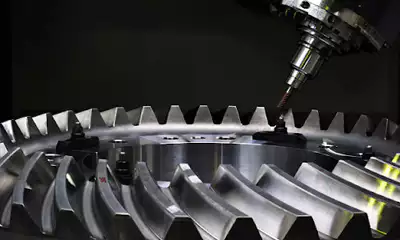
Regular inspection of gear tooth geometry is essential to maintain optimal contact strength. Techniques like coordinate measuring machines (CMM) or gear rolling testers can help identify any deviations from the desired tooth profile, allowing for timely corrective actions.
13. Noise and Vibration Control
Noise and vibration in gear systems can indicate potential contact strength issues. By implementing measures like proper gear alignment, damping techniques, or vibration isolation, the risk of excessive noise and vibration can be reduced, ensuring optimal gear performance.
14. Gear Fatigue Life Prediction
Accurately predicting gear fatigue life is crucial for assessing contact strength. Utilizing advanced computational tools, engineers can simulate various loading scenarios and estimate the gear’s expected life cycle, enabling proactive maintenance and replacement strategies.
15. Gear Failure Analysis
In the event of gear failure, conducting a comprehensive failure analysis is essential to identify the underlying causes and prevent recurrence. Factors such as excessive load, material defects, or inadequate lubrication can significantly impact gear contact strength and lead to premature failure.
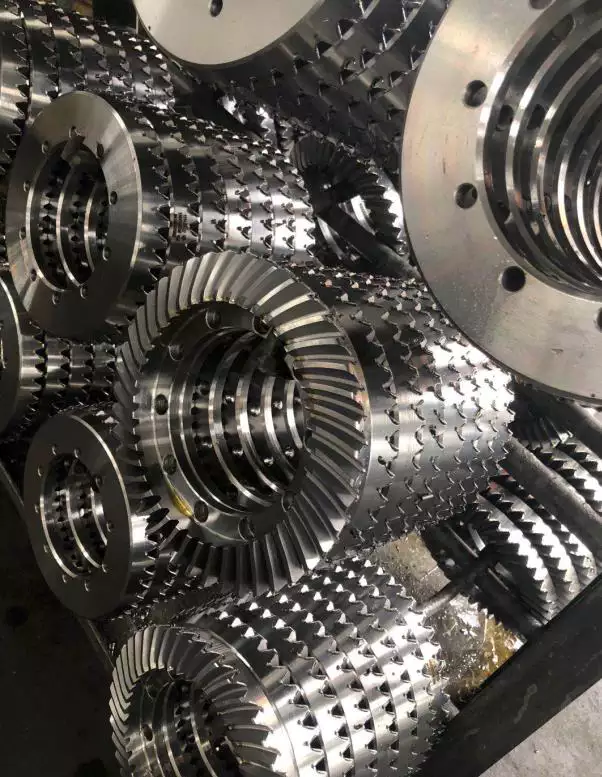
In conclusion, gear contact strength is a critical aspect of gear design and performance. By considering factors such as material selection, surface roughness, tooth profile optimization, and load distribution, engineers can ensure gears can withstand the forces encountered during operation, resulting in reliable and efficient mechanical systems.
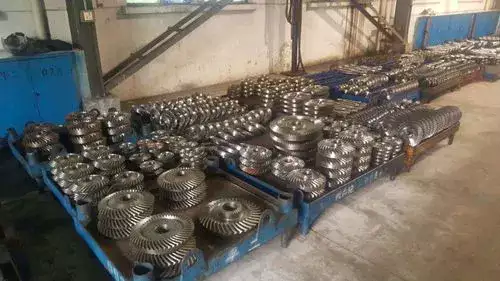
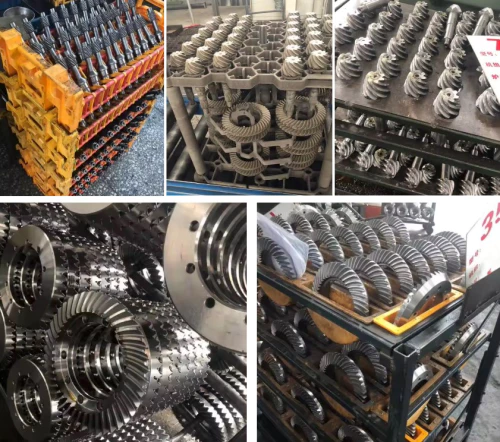
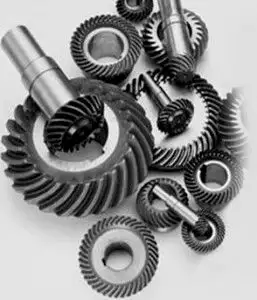
Our company specializes in the production and sale of various types of gears, including spur gears, helical gears, bevel gears, worm gears, and more. We take pride in offering top-quality gear products to meet the diverse needs of our customers. Here are six key advantages of choosing our company:
1. High-Quality Materials
At our company, we use only the finest materials to manufacture our gears. This ensures durability, reliability, and optimal performance for our customers.
2. Advanced Manufacturing Techniques
We employ advanced manufacturing techniques to produce gears with high precision and excellent craftsmanship. Our state-of-the-art facilities and skilled technicians guarantee the utmost quality in every gear we produce.
3. Extensive Product Range
Our company offers a wide range of gear types, sizes, and specifications to cater to various industries and applications. Whether you need small gears for precision instruments or large gears for industrial machinery, we have got you covered.
4. Customization Options
We understand that different projects may require unique gear solutions. That’s why we offer customization options to tailor our gears to your specific requirements. Our team of experts will work closely with you to design and manufacture gears that meet your exact needs.
5. Stringent Quality Control
Quality is our top priority. We have implemented rigorous quality control measures throughout our production process to ensure that each gear meets the highest standards. From material inspection to final testing, we leave no room for compromise.
6. Timely Delivery
We understand the importance of time in business operations. With our efficient production and logistics systems, we guarantee prompt delivery of your gear orders. You can rely on us to meet your deadlines without compromising on quality.
The Gear Manufacturing Process
Creating a gear involves several important steps and processes. Here is a breakdown of the typical gear manufacturing process:
1. Design and Engineering
Before production begins, our team of skilled engineers will design the gear based on your specific requirements and applications. They will consider factors such as load capacity, gear ratio, tooth profile, and more.
2. Material Selection
Once the design is finalized, we carefully select the appropriate materials for the gear. Factors such as strength, wear resistance, and compatibility with other components are taken into account to ensure optimal performance.
3. Cutting or Forming
The chosen manufacturing method, whether it be cutting or forming, is then employed to shape the gear. Cutting involves removing excess material, while forming involves molding the gear using specialized techniques.
4. Heat Treatment
To enhance the strength and durability of the gear, heat treatment is often applied. This process involves heating the gear to a specific temperature and then cooling it rapidly to achieve the desired properties.
5. Finishing and Inspection
After the gear is formed and heat-treated, it undergoes a series of finishing processes, such as grinding, honing, and deburring, to achieve the desired surface finish and dimensional accuracy. Each gear is then thoroughly inspected to ensure it meets our stringent quality standards.
Partner with us for your gear needs, and experience the quality and reliability that sets us apart from the competition. Contact us today to discuss how we can collaborate and provide you with the perfect gear solutions for your business.
Author: Miya