Gearbox Light weighting
Introduction
Gearbox light weighting is a crucial aspect in the design and development of modern gear systems. By employing innovative techniques and materials, engineers can reduce the weight of a gearbox without compromising its performance and efficiency. In this article, we will explore the various strategies and technologies used in gearbox light weighting.
Lightweight Materials
One of the key approaches to gearbox light weighting is the use of advanced lightweight materials. These materials possess high strength-to-weight ratios, allowing engineers to design gearboxes that are both strong and lightweight. Examples of such materials include carbon fiber reinforced polymers (CFRP) and aluminum alloys.
Carbon Fiber Reinforced Polymers (CFRP)
CFRP is a composite material that consists of carbon fibers embedded in a polymer matrix. It offers exceptional strength and stiffness properties, making it an ideal choice for gearbox components. By utilizing CFRP, engineers can significantly reduce the weight of gears, shafts, and housings without compromising their mechanical integrity.
Aluminum Alloys
Aluminum alloys are widely used in gearbox light weighting due to their low density and excellent machinability. These alloys provide a good balance between strength and weight, making them suitable for various gearbox components. Moreover, aluminum alloys offer excellent corrosion resistance, ensuring the longevity of the gearbox.
Design Optimization
In addition to lightweight materials, design optimization plays a crucial role in gearbox light weighting. By employing advanced design techniques, engineers can eliminate unnecessary material and improve the overall efficiency of the gearbox system.
Topology Optimization
Topology optimization is a computational method used to determine the optimal distribution of material within a given design space. By applying this technique to gearbox components, engineers can identify areas where material can be removed without compromising structural integrity. This results in a lighter gearbox without sacrificing performance.
Hollow Structures
Creating hollow structures is another effective way to reduce the weight of gearbox components. By removing excess material and incorporating internal reinforcing structures, engineers can significantly decrease the weight of gears, shafts, and casings. This not only reduces the overall weight of the gearbox but also improves its efficiency.
Advanced Manufacturing Techniques
Advanced manufacturing techniques play a vital role in achieving gearbox light weighting. These techniques enable the production of complex geometries and novel designs that were previously impossible to manufacture.
Additive Manufacturing
Additive manufacturing, also known as 3D printing, offers immense possibilities for gearbox light weighting. This technique allows engineers to create complex geometries, consolidate multiple parts into a single component, and use lightweight materials more efficiently. Additive manufacturing also reduces material waste and enables rapid prototyping.
High-Precision Machining
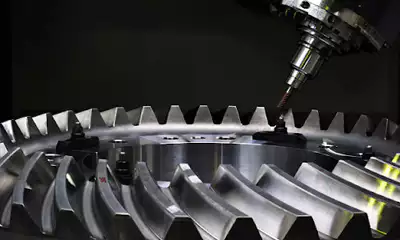
High-precision machining techniques, such as CNC (Computer Numerical Control) machining, enable the production of intricate gearbox components with minimal material waste. By using advanced machining methods, engineers can achieve precise tolerances and create lightweight yet robust gear systems.
Conclusion
Gearbox light weighting is a critical aspect in modern engineering, as it allows for the development of more efficient and sustainable gear systems. By utilizing lightweight materials, optimizing designs, and leveraging advanced manufacturing techniques, engineers can create gearboxes that are not only lighter but also deliver superior performance. The continuous advancements in gearbox light weighting techniques will drive the future of gear system design.
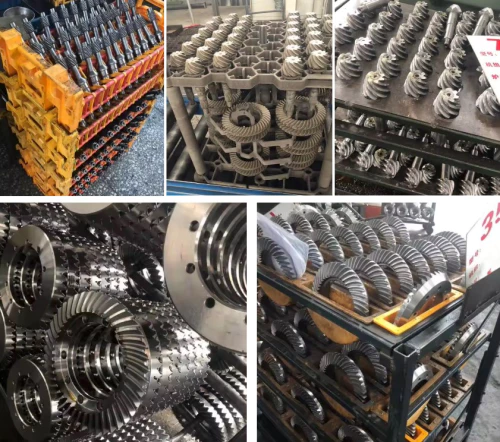
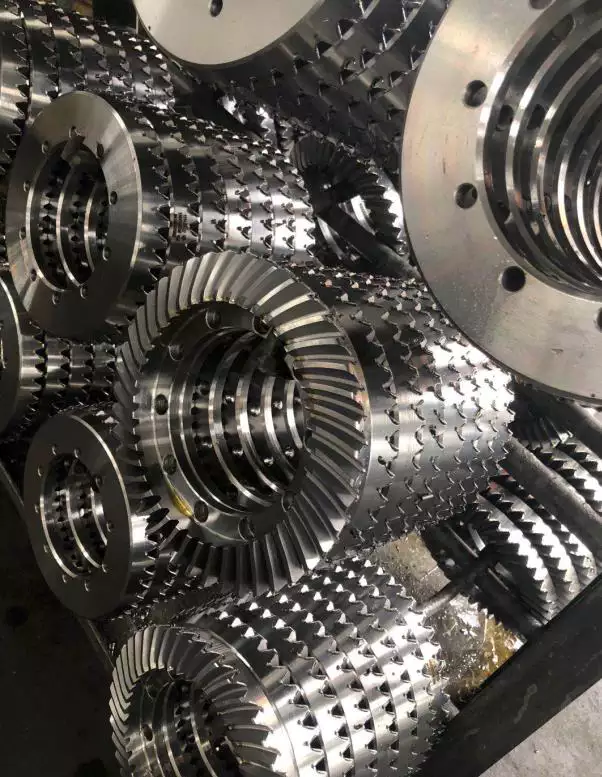
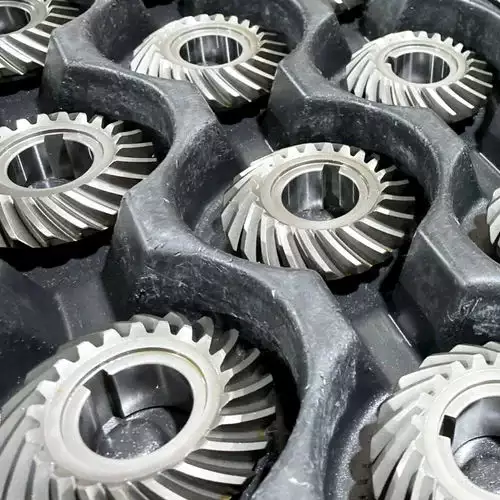
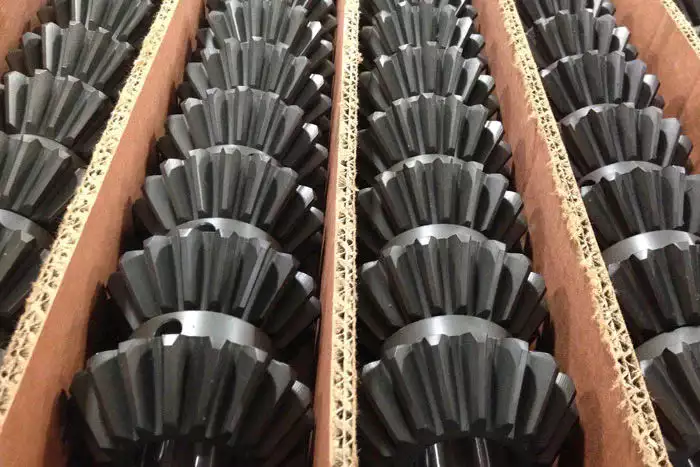
Our company specializes in the production and sale of various types of gears, including spur gears, helical gears, bevel gears, worm gears, and more. With years of expertise in the industry, we take pride in offering top-quality gears that meet the diverse needs of our customers. Here are six key advantages that set our company apart:
1. Superior Quality
At our company, we prioritize quality above all else. We utilize advanced manufacturing techniques and cutting-edge technology to ensure that our gears are of the highest quality, meeting or exceeding industry standards. Each gear undergoes rigorous testing and inspection to guarantee its performance and durability.
2. Precision Engineering
We have a team of skilled engineers who are experts in gear design and precision engineering. They meticulously analyze customer requirements and create gear solutions that are tailored to their specific needs. Our commitment to precision ensures that our gears operate smoothly and efficiently.
3. Extensive Product Range
With a wide range of gear types available, our customers can find the perfect gear solution for their applications. Whether they require standard gears or custom-made gears, we have the capabilities to meet their demands. Our diverse product range ensures that we can cater to various industries and applications.
4. Prompt Delivery
We understand the importance of timely delivery to our customers. Our streamlined production process and efficient logistics allow us to minimize lead times and ensure prompt delivery of our gears. We strive to meet our customers’ deadlines and provide them with the gears they need when they need them.
5. Competitive Pricing
Despite our focus on quality, we offer competitive pricing for our gears. Through efficient production practices and cost management, we are able to provide our customers with high-quality gears at affordable prices. We believe in offering value for money and building long-term partnerships with our customers.
6. Excellent Customer Service
Customer satisfaction is our top priority. Our dedicated customer service team is always ready to assist customers with their inquiries, orders, and any technical support they may require. We strive to provide a seamless customer experience and build strong relationships based on trust and reliability.
The Gear Production Process
Creating a gear involves several steps and processes. Here is a breakdown of the typical gear manufacturing process:
1. Design and Engineering
The gear design begins with a thorough analysis of the customer’s requirements, including torque, speed, and application-specific factors. Our engineers use advanced software and tools to design the gear, taking into account factors such as tooth profile, pressure angle, and material selection.
2. Material Selection
Choosing the right material is crucial for the performance and durability of the gear. Factors such as strength, wear resistance, and compatibility with other components are considered when selecting the material. We work with a wide range of materials, including various alloys and steels, to ensure optimal gear performance.
3. Manufacturing
The manufacturing process involves cutting, shaping, and finishing the gear. CNC machines and specialized gear cutting tools are used to achieve precise tooth profiles and dimensions. Heat treatment and surface finishing processes are also employed to enhance the gear’s strength and performance.
4. Quality Control
Throughout the manufacturing process, strict quality control measures are implemented. Each gear undergoes inspection at various stages to ensure dimensional accuracy, tooth profile integrity, and surface finish. Advanced testing equipment is used to verify the gear’s performance and durability.
5. Assembly and Testing
If the gear is part of an assembly, it is carefully assembled and tested to ensure proper fit and function. This step may involve additional quality checks and performance testing to guarantee the gear’s compatibility with other components and its overall performance.
Partner with Us
When it comes to gears, you can trust our expertise and commitment to excellence. Whether you need standard gears or customized gear solutions, we have the capabilities to meet your requirements. Contact us today to discuss your gear needs and discover how we can collaborate to achieve your goals.
Author: Miya