Fracture Analysis
Introduction
Fracture analysis is a crucial process in engineering and materials science, aimed at understanding the causes and mechanisms of fractures in various structures and materials. By examining fractures in detail, experts can gain valuable insights into the failure modes, stress distributions, and material properties.
Types of Fractures
- Transgranular Fracture
- Intergranular Fracture
- Ductile Fracture
- Brittle Fracture
- Fatigue Fracture
- Creep Fracture
- Corrosion Fracture
- Stress Corrosion Cracking
- Hydrogen Embrittlement
- Environmental Assisted Cracking
- Impact Fracture
- Overload Fracture
- Thermal Fracture
- Vibration-Induced Fracture
- Crevice Corrosion Fracture
Transgranular Fracture
Transgranular fracture refers to the fracture that occurs directly through the grains of a material. It is typically characterized by its relatively smooth surface and lack of grain boundary features. This type of fracture is commonly observed in crystalline metals and alloys.
Intergranular Fracture
Intergranular fracture, on the other hand, takes place along the grain boundaries of a material. It is often associated with grain boundary weakening due to various factors such as impurities, segregation, or grain boundary embrittlement. Intergranular fractures tend to exhibit a more jagged and irregular surface.
Ductile Fracture
Ductile fracture occurs in materials that exhibit significant plastic deformation before failure. It is characterized by the ability of the material to withstand large amounts of deformation and energy absorption. Ductile fractures often display necking and localized deformation.
Brittle Fracture
Brittle fracture, on the contrary, happens without substantial plastic deformation. It occurs suddenly and catastrophically, usually with minimal energy absorption. Brittle fractures commonly have a clean and smooth surface, indicating rapid crack propagation.
Fatigue Fracture
Fatigue fracture occurs as a result of repeated cyclic loading, leading to the progressive growth of cracks. It is commonly observed in materials subjected to fluctuating or repeated stress conditions. Fatigue fractures often exhibit distinct crack propagation patterns, such as beach marks or striations.
Creep Fracture
Creep fracture refers to the failure of a material under long-term exposure to high temperatures and constant stress. It occurs due to the time-dependent deformation of the material, leading to crack initiation and propagation. Creep fractures show characteristics such as grain boundary cavitation and void formation.
Corrosion Fracture
Corrosion fracture happens when a material undergoes degradation due to chemical reactions with its surrounding environment. The combined action of corrosion and mechanical stress can result in fracture initiation and propagation. Corrosion fractures often exhibit localized corrosion attack and pitting.
Stress Corrosion Cracking
Stress corrosion cracking (SCC) is a specific type of fracture that occurs due to the simultaneous presence of tensile stress and a corrosive environment. It can lead to catastrophic failures in materials that would otherwise be considered resistant to corrosion. SCC fractures often show distinct crack propagation along grain boundaries.
Hydrogen Embrittlement
Hydrogen embrittlement is a phenomenon where the presence of hydrogen atoms leads to a loss of ductility and subsequent fracture in certain materials. It can occur during various processes such as electroplating, chemical reactions, or exposure to hydrogen-containing environments. Hydrogen embrittlement fractures usually exhibit a fine and fibrous appearance.
Environmental Assisted Cracking
Environmental assisted cracking (EAC) is a type of fracture that occurs due to the combined action of a corrosive environment and mechanical stress. It is typically associated with materials exposed to high temperatures, pressure, or specific chemical environments. EAC fractures often display a combination of intergranular and transgranular features.
Impact Fracture
Impact fracture happens when a material is subjected to a sudden and high-energy impact load. It is commonly observed in structures or components exposed to dynamic loading conditions, such as collisions or explosions. Impact fractures often exhibit crack branching and extensive deformation.
Overload Fracture
Overload fracture occurs when a material is subjected to a load exceeding its maximum capacity. It can happen due to accidental overload, design flaws, or unexpected external forces. Overload fractures often show a distinctive feature called chevron markings.
Thermal Fracture
Thermal fracture takes place due to significant temperature gradients or thermal shock. It can occur in materials with low thermal conductivity or when rapid cooling or heating is applied. Thermal fractures often exhibit crack patterns perpendicular to the temperature gradient.
Vibration-Induced Fracture
Vibration-induced fracture occurs when a material is exposed to high-frequency vibrations or resonance conditions. It can lead to fatigue-like crack initiation and propagation, resulting in structural failure. Vibration-induced fractures often exhibit characteristic patterns related to the vibration frequency.
Crevice Corrosion Fracture
Crevice corrosion fracture happens in confined spaces or crevices where stagnant corrosive agents can accumulate. It often occurs in materials exposed to seawater, acidic environments, or areas with poor fluid circulation. Crevice corrosion fractures usually exhibit localized corrosion attack and crack initiation at the crevice interface.
Conclusion
Fracture analysis plays a critical role in understanding the behavior and failure mechanisms of various materials and structures. By studying different types of fractures, engineers and scientists can improve designs, prevent failures, and enhance the overall reliability of engineering systems.
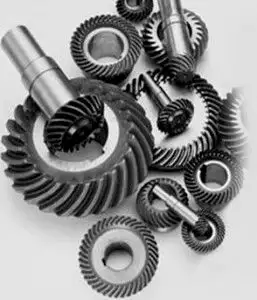
Our company specializes in the production and sale of various types of gears, including spur gears, helical gears, bevel gears, worm gears, and more. With years of experience in the industry, we take pride in offering top-quality gear products to meet the diverse needs of our customers. Here are five key advantages of choosing our company:
1. Superior Quality
Our gears are manufactured to the highest standards using premium materials and state-of-the-art technology. Each gear undergoes rigorous testing and inspection to ensure optimal performance and durability.
2. Extensive Product Range
We offer a wide range of gear options, catering to various industries and applications. Whether you need standard gears or custom-designed solutions, we have the expertise to deliver products that meet your specific requirements.
3. Competitive Pricing
At our company, we believe in providing exceptional value for money. Our competitive pricing strategy ensures that you receive high-quality gears at affordable prices, allowing you to maximize your budget without compromising on quality.
4. Timely Delivery
We understand the importance of timely delivery and strive to meet or exceed our customers’ expectations. With efficient production processes and a well-organized supply chain, we ensure that your gears are delivered to you on time, every time.
5. Excellent Customer Service
We prioritize customer satisfaction and strive to provide excellent service at every stage of the buying process. Our knowledgeable and friendly team is ready to assist you with any inquiries, ensuring a smooth and pleasant experience.
The Journey of Gear Creation
Creating a gear involves several steps and processes. Here is a breakdown of the key stages:
1. Design and Engineering
Our skilled engineers work closely with customers to understand their specific requirements and design gears that meet their needs. Advanced software and computer-aided design (CAD) tools are used to create accurate gear models.
2. Material Selection
We carefully select the appropriate materials based on factors such as load capacity, operating conditions, and desired performance. High-quality alloys and steels are often chosen for their strength and durability.
3. Machining and Manufacturing
The gears are meticulously machined using precision equipment to achieve the desired dimensions and specifications. Our skilled technicians ensure that each gear is manufactured with utmost precision and attention to detail.
4. Heat Treatment
To enhance the hardness and strength of the gears, heat treatment processes such as quenching and tempering are applied. This ensures that the gears can withstand the required loads and operating conditions.
5. Quality Control
Before the gears are ready for shipment, they undergo stringent quality control measures. Each gear is thoroughly inspected for dimensional accuracy, surface finish, and overall performance to ensure that it meets our strict quality standards.
Partner with us today and experience the difference our high-quality gears can make in your operations. Contact our team to discuss your gear requirements and let us provide you with the best solutions for your business.
Author: Miya