Noise and Vibration Control
Introduction
In the field of engineering and manufacturing, noise and vibration control plays a crucial role in ensuring the efficiency, safety, and comfort of various systems and structures. By minimizing or eliminating excessive noise and vibration, engineers can enhance performance, reduce wear and tear, and improve the overall user experience. In this article, we will delve into the fundamentals of noise and vibration control and explore its significance in different industries.
Understanding Noise and Vibration
Noise refers to any unwanted sound that can cause annoyance, disturbance, or harm to individuals or the environment. Vibration, on the other hand, involves the oscillation or back-and-forth motion of an object or system. Both noise and vibration can be generated by various sources, such as machinery, engines, vehicles, and even natural phenomena.
The Effects of Noise and Vibration
Excessive noise and vibration can have detrimental effects on multiple levels:
- Health and Safety: Prolonged exposure to high levels of noise and vibration can lead to hearing loss, stress, fatigue, and other physical and psychological health issues.
- Product Performance: Noise and vibration can negatively impact the performance and lifespan of products and equipment, leading to decreased efficiency, increased maintenance costs, and potential failures.
- User Experience: Excessive noise and vibration can significantly reduce user comfort and satisfaction, affecting overall experience and potentially leading to customer dissatisfaction.
Methods of Noise and Vibration Control
To mitigate the adverse effects of noise and vibration, engineers employ various control measures:
1. Isolation
Isolation involves physically separating the source of noise or vibration from the surrounding environment or the affected components. This can be achieved through the use of isolators, such as vibration mounts or pads, which absorb or dampen the vibrations and prevent their transmission.
2. Damping
Damping techniques aim to dissipate or reduce the energy of vibrations. This can be accomplished by incorporating damping materials, such as viscoelastic polymers or special coatings, into the system or structure. These materials absorb the vibrational energy and convert it into heat.
3. Acoustic Enclosures
Acoustic enclosures, also known as soundproof enclosures or cabins, are specially designed structures that help contain noise within a confined space. These enclosures are often lined with sound-absorbing materials and equipped with ventilation systems to maintain proper airflow.
4. Structural Modifications
By modifying the design or construction of a system or structure, engineers can minimize the generation and transmission of noise and vibration. This may involve utilizing vibration-damping materials, optimizing structural stiffness, or implementing soundproof barriers.
5. Active Control Systems
Active control systems utilize advanced technologies, such as sensors and actuators, to actively monitor and counteract the effects of noise and vibration in real-time. These systems can generate opposite vibrations or sound waves to cancel out the unwanted disturbances.
Applications of Noise and Vibration Control
Noise and vibration control find extensive applications across various industries:
1. Automotive Industry
In the automotive industry, noise and vibration control are crucial for improving vehicle comfort and reducing driver fatigue. Soundproofing measures, engine vibration isolation, and noise cancellation technologies are employed to create a quieter and smoother driving experience.
2. Construction and Architecture
In construction and architecture, noise and vibration control are essential for creating pleasant living and working environments. Soundproofing materials, structural modifications, and vibration isolation techniques are utilized to minimize the impact of external noise and vibrations on buildings and their occupants.
3. Industrial Machinery
Noise and vibration control play a significant role in industrial machinery to protect workers’ health and optimize production efficiency. Soundproof enclosures, vibration isolation mounts, and active control systems are employed to reduce noise and vibration levels in factories and manufacturing facilities.
4. Aerospace and Defense
In the aerospace and defense sectors, noise and vibration control are critical for ensuring aircraft and military equipment performance, safety, and crew comfort. Advanced materials, structural modifications, and active control systems are employed to minimize noise and vibration levels in aircraft, submarines, and other defense applications.
5. Energy and Power Generation
Noise and vibration control are essential in energy and power generation facilities, such as power plants and wind farms, to mitigate the impact on nearby communities and protect the structural integrity of equipment. Sound barriers, vibration damping techniques, and isolation systems are utilized to minimize noise and vibration emissions.
Conclusion
Noise and vibration control are vital aspects of engineering and manufacturing that contribute to the overall performance, safety, and comfort of various systems and structures. By understanding the effects of noise and vibration and implementing appropriate control measures, engineers can create quieter, smoother, and more efficient environments across industries.
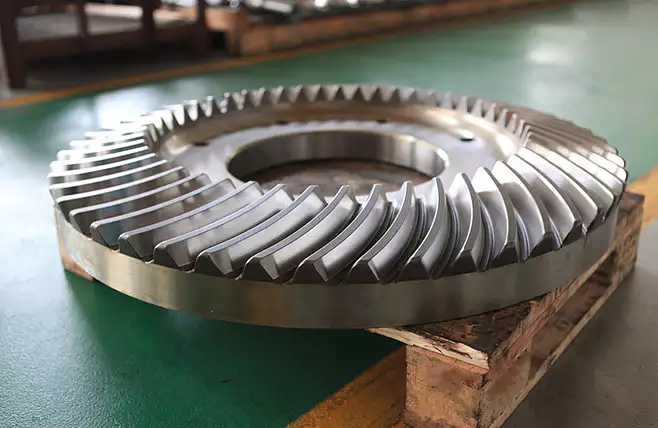
Our company specializes in the production and sale of various types of gears, including spur gears, helical gears, bevel gears, worm gears, and more. With a focus on noise and vibration control, we have established ourselves as leaders in the industry. Here are five key advantages of choosing our company:
- Expertise: Our team consists of experienced engineers and specialists who have extensive knowledge of noise and vibration control in gear manufacturing. We ensure that our products meet the highest standards of quality and performance.
- Advanced Technology: We invest in cutting-edge technology and equipment to improve the precision and efficiency of our gear production process. By employing the latest techniques, we can achieve superior noise and vibration control in our gears.
- Custom Solutions: We understand that different applications require different gear designs. With our custom solutions, we can tailor our gears to meet the specific noise and vibration control needs of our customers. We work closely with our clients to deliver optimal results.
- Quality Assurance: Rigorous quality control measures are implemented throughout our production process to ensure that every gear we manufacture meets the highest standards. We conduct thorough inspections and testing to guarantee the performance and durability of our products.
- Customer Satisfaction: We prioritize customer satisfaction and strive to build long-term relationships. Our dedicated customer support team is always ready to assist with any inquiries or concerns. We value feedback from our clients and continuously improve our products and services.
Now, let’s delve into the steps and processes involved in the birth of a gear:
-
Gear Design:
The first step is to create a detailed design of the gear, taking into account factors such as tooth profile, module, pitch diameter, and helix angle. This design phase ensures that the gear will meet the specific noise and vibration control requirements.
-
Material Selection:
Choosing the right material is crucial for noise and vibration control. Factors such as strength, wear resistance, and damping properties are considered when selecting the appropriate material for the gear.
-
Machining:
The gear blank is machined to achieve the desired shape and dimensions. This process may involve turning, milling, shaping, or grinding, depending on the complexity of the gear design.
-
Heat Treatment:
Heat treatment is applied to enhance the material properties of the gear, such as hardness and toughness. This step improves the gear’s resistance to wear and fatigue, ensuring long-term performance and reliability.
-
Finishing:
The gear undergoes finishing operations, such as deburring and polishing, to remove any imperfections and improve its surface quality. This step is essential for reducing noise and vibration during gear operation.
With our expertise, advanced technology, and commitment to customer satisfaction, we are confident that collaborating with us will result in superior noise and vibration control for your gears. Contact us today to discuss your specific requirements and explore the possibilities of a successful partnership.
Author: Miya