Gearbox Design
Introduction
A gearbox is a vital component in various mechanical systems, responsible for transmitting power and torque from a prime mover to the driven machinery. Gearbox design plays a crucial role in ensuring efficient power transmission, minimizing energy losses, and optimizing system performance. In this article, we will explore the intricacies of gearbox design and its significant impact on mechanical systems.
1. Gear Tooth Profile Optimization
The tooth profile of gears is a critical aspect of gearbox design. By employing advanced techniques such as profile shift and tip relief, gear designers can achieve optimal contact patterns and load distribution. These techniques ensure smooth and efficient power transmission, reducing noise and enhancing overall gearbox performance.
2. Gear Material Selection
Choosing the right material for gears is essential to ensure durability and reliability. High-strength alloy steels, such as carburizing steels and alloy tool steels, are commonly used for gear manufacturing. The selection of suitable materials based on hardness, toughness, and wear resistance is crucial for achieving long-lasting gear performance.
3. Lubrication System Design
An efficient lubrication system is vital for reducing friction and wear in gearboxes. Proper lubricant selection, oil viscosity, and effective distribution within the gearbox are key factors in achieving optimal performance. Incorporating advanced technologies, such as hydrodynamic lubrication and oil cooling, enhances gear lifespan and minimizes energy losses.
4. Bearing Selection and Placement
Bearings provide support and reduce friction between rotating elements in a gearbox. Proper bearing selection and placement are essential for achieving smooth and reliable gear operation. Factors such as load capacity, speed, and misalignment tolerance must be considered to ensure optimal bearing performance and prevent premature failure.
5. Noise and Vibration Control
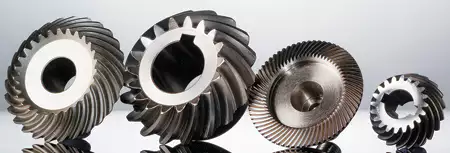
Noise and vibration are common challenges in gearbox design, affecting both performance and user experience. The incorporation of advanced noise reduction techniques, such as helical or spiral bevel gears, improves gear meshing conditions and reduces noise levels. Additionally, implementing vibration dampening measures, such as tuned mass dampers, helps minimize vibrations and enhances the overall comfort of the mechanical system.
6. Heat Dissipation and Cooling
Heat generated during gear operation can adversely affect gearbox performance and lifespan. Efficient heat dissipation and cooling systems, such as oil circulation and heat exchangers, are crucial to maintain optimal operating temperatures. Proper thermal management ensures gear and lubricant longevity, preventing potential failures due to overheating.
7. Sealing and Contamination Control
Preventing contamination and ensuring proper sealing are essential aspects of gearbox design. Effective sealing mechanisms, such as labyrinth seals or lip seals, prevent the ingress of contaminants and protect the gears from wear and damage. Implementing appropriate filtration systems further enhances gearbox reliability and minimizes maintenance requirements.
8. Gearbox Efficiency and Power Transmission
Maximizing gearbox efficiency is a key objective for gear designers. By reducing frictional losses through proper gear meshing, lubrication, and material selection, gearbox efficiency can be significantly improved. Moreover, optimizing the power transmission path through minimizing gear deflection and backlash contributes to enhanced overall system efficiency.
9. Gearbox Size and Weight Optimization
Efficient gearbox design aims to achieve compactness and lightweight without compromising performance. Advanced design techniques, such as topology optimization and lightweight materials, enable gearboxes to achieve high power density while maintaining structural integrity. This leads to significant space savings and improved system mobility in various applications.
10. Failure Analysis and Maintenance
Understanding failure modes and implementing proactive maintenance practices are essential in gearbox design. Thorough failure analysis allows designers to identify weak points and implement suitable design improvements. Additionally, regular maintenance, including lubricant replacement and gear inspections, ensures optimal gearbox performance and prolongs its operational life.
Conclusion
Gearbox design plays a pivotal role in achieving efficient power transmission, minimizing energy losses, and optimizing mechanical system performance. By considering factors such as gear tooth profile, material selection, lubrication, bearing placement, noise control, heat dissipation, sealing, gearbox efficiency, size optimization, and maintenance, designers can create gearboxes that meet the specific requirements of diverse applications. Emphasizing innovation and continuous improvement in gearbox design ensures the advancement of mechanical systems across various industries.
Introduction
Our company specializes in the production and sale of various types of gears, including spur gears, helical gears, bevel gears, worm gears, and more. With our expertise in gearbox design, we offer a range of advantages that set us apart from the competition.
Advantages of Our Company
- Advanced Technology: We utilize cutting-edge technology and state-of-the-art machinery to manufacture gears with precision and efficiency.
- High-Quality Materials: We source the finest materials to ensure the durability and reliability of our gears, providing our customers with products that exceed their expectations.
- Customization Options: Our company offers a wide range of customization options, allowing our customers to tailor the gears to their specific requirements, ensuring optimal performance.
- Experienced Team: Our team consists of highly skilled engineers and technicians who possess extensive knowledge and expertise in gearbox design. They work diligently to deliver gears of the highest quality.
- Exceptional Customer Service: We pride ourselves on providing excellent customer service. Our dedicated support team is always ready to assist our clients with any inquiries or concerns they may have.
The Birth of a Gear: Steps and Process
1. Design and Planning
The first step in creating a gear is the design and planning phase. Our team of engineers carefully analyzes the requirements and specifications provided by the client. They use advanced software to design the gear, considering factors such as gear ratio, load capacity, and noise reduction.
2. Material Selection
Once the design is finalized, the next step is selecting the appropriate material for the gear. Our experts consider factors such as strength, wear resistance, and cost-effectiveness. We only choose materials that meet our stringent quality standards.
3. Manufacturing
The manufacturing process involves precision machining of the gear. We use state-of-the-art CNC machines and cutting-edge gear hobbing techniques to ensure exceptional accuracy and smooth operation. Our skilled technicians meticulously craft each gear, adhering to strict quality control measures.
4. Heat Treatment
Heat treatment is a critical step in the production of gears as it enhances their strength and durability. We subject the gears to controlled heating and cooling processes to optimize their mechanical properties, ensuring they can withstand the demands of various applications.
5. Quality Assurance
Prior to delivery, each gear undergoes rigorous quality testing and inspection. Our quality assurance team checks for dimensional accuracy, surface finish, and proper functioning. We are committed to delivering gears that meet or exceed industry standards.
Join Us Today!
Partner with us and experience the excellence of our gearbox design and manufacturing services. With our advanced technology, high-quality materials, customization options, experienced team, and exceptional customer service, we are confident in providing gears that meet your specific needs. Contact us now to discuss your requirements and let us embark on a successful collaboration together.
Author: Miya