Vacuum Heat Treatment
Introduction
Vacuum heat treatment is a specialized technique used in various industries for the thermal processing of materials. It involves heating the material in a controlled environment with low pressure and absence of oxygen, resulting in improved mechanical properties and performance. This article explores the different aspects of vacuum heat treatment and its significance in industrial applications.
1. The Science Behind Vacuum Heat Treatment
1.1 Understanding the Basics
In vacuum heat treatment, the material is placed inside a vacuum furnace, where it is heated to high temperatures in the absence of air. This creates a controlled environment that prevents oxidation and contamination, ensuring optimal results.
1.2 Principles of Heat Transfer
Heat transfer during vacuum heat treatment occurs through conduction and radiation. The absence of air eliminates convective heat transfer, allowing for uniform heating and minimizing the risk of surface defects.
2. Types of Vacuum Heat Treatment
2.1 Vacuum Annealing
Vacuum annealing is a heat treatment process that involves heating the material to a specific temperature and then cooling it slowly. It helps relieve internal stress, improve ductility, and enhance the material’s microstructure.
2.2 Vacuum Hardening
Vacuum hardening is a process used to increase the hardness and strength of materials such as steel. By heating the material to high temperatures and then quenching it rapidly, the desired mechanical properties can be achieved.
2.3 Vacuum Tempering
Vacuum tempering is a post-hardening treatment that aims to reduce the brittleness of hardened materials. It involves reheating the material to a specific temperature and then cooling it gradually, resulting in improved toughness and ductility.
3. Advantages of Vacuum Heat Treatment
3.1 Enhanced Surface Finish
Due to the absence of oxidation and surface contamination, vacuum heat treatment provides a superior surface finish compared to other heat treatment methods. This is particularly important in industries where aesthetics and precision are crucial.
3.2 Improved Mechanical Properties
Vacuum heat treatment enhances the mechanical properties of materials, including hardness, strength, and wear resistance. This makes it a preferred choice for industries such as aerospace, automotive, and tool manufacturing.
3.3 Reduced Distortion
By ensuring uniform heating and cooling, vacuum heat treatment minimizes distortion and warping of the material. This is vital for maintaining dimensional stability and precision in components.
4. Applications of Vacuum Heat Treatment
4.1 Aerospace Industry
Vacuum heat treatment plays a critical role in the aerospace industry, where materials need to withstand extreme conditions and have high mechanical performance. It is used in the production of aircraft components, turbine blades, and other critical parts.
4.2 Automotive Industry
In the automotive industry, vacuum heat treatment is utilized to improve the strength and durability of engine components, gears, and transmission parts. This ensures reliable performance and extends the lifespan of these critical components.
4.3 Tool and Die Manufacturing
Tool and die manufacturers rely on vacuum heat treatment to enhance the hardness and wear resistance of cutting tools, molds, and dies. This enables them to withstand high-pressure and high-temperature conditions during machining processes.
Conclusion
Vacuum heat treatment is a specialized technique that offers numerous benefits in terms of material performance, durability, and reliability. Its ability to control the heat treatment process in a vacuum environment allows for superior results compared to traditional methods. From aerospace to automotive and tool manufacturing, vacuum heat treatment continues to play a vital role in various industries, ensuring the production of high-quality components and products.
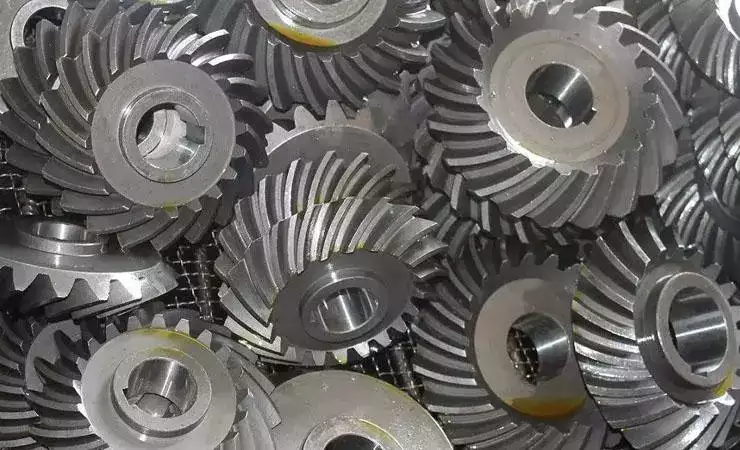
Our company specializes in the production and sale of various types of gears, including spur gears, helical gears, bevel gears, worm gears, and more. With a focus on quality and precision, we have become a trusted name in the industry. Here are five key advantages of choosing our company:
1. High-Quality Materials
At our company, we understand the importance of using top-notch materials for gear manufacturing. We source the finest materials available to ensure durability and reliability in our products.
2. Advanced Technology
We stay ahead of the curve by utilizing the latest advancements in gear manufacturing technology. Our state-of-the-art machinery and equipment enable us to produce gears with exceptional precision and efficiency.
3. Customization Options
We understand that every customer has unique requirements. That’s why we offer a wide range of customization options for our gears. From size and shape to material and finish, we can tailor our products to meet your specific needs.
4. Experienced Team
Our team of skilled engineers and technicians has years of experience in gear manufacturing. They possess in-depth knowledge and expertise, ensuring that each gear we produce meets the highest industry standards.
5. Timely Delivery
We value your time and strive to deliver our products within the agreed-upon timeframe. Our efficient production processes and streamlined supply chain management allow us to fulfill orders promptly without compromising on quality.
The Gear Manufacturing Process:
Creating a gear involves several steps and processes:
1. Design and Engineering
Our engineers collaborate closely with customers to understand their specific gear requirements. They create detailed designs using computer-aided design (CAD) software, ensuring precision and accuracy.
2. Material Selection
Based on the design, the appropriate material is selected. Factors such as strength, durability, and resistance to wear are considered to ensure optimal gear performance.
3. Cutting and Shaping
The selected material is cut and shaped using cutting-edge machinery to create the desired gear profile. This process involves precision cutting, grinding, and heat treatment to enhance the gear’s strength and durability.
4. Quality Control
Before the gears are ready for use, they undergo rigorous quality control checks. Our team conducts thorough inspections to ensure that each gear meets our stringent quality standards.
5. Packaging and Delivery
Once the gears pass the quality control checks, they are carefully packaged to prevent any damage during transportation. We prioritize safe and secure delivery so that our customers receive their orders in perfect condition.
Partner with us today and experience the excellence that sets us apart. Contact our team to discuss your gear requirements and let us assist you in achieving your goals.
Author: Miya