Ultra-Precision Machining
Introduction
Ultra-precision machining is a cutting-edge manufacturing process that involves the production of intricate and precise components with extremely tight tolerances. This advanced technique has revolutionized various industries, including aerospace, electronics, and medical devices, enabling the creation of high-performance products that were once considered unattainable.
The Importance of Accuracy
1. Achieving Micron-Level Precision
When it comes to ultra-precision machining, accuracy is of paramount importance. Components produced through this method typically require tolerances on the scale of microns (μm). This level of precision ensures optimal performance, minimal wear and tear, and superior functionality.
2. Eliminating Submicron-Level Deviations
In ultra-precision machining, even the smallest deviations can have a significant impact on the final product. By meticulously controlling every aspect of the manufacturing process, such as tool selection, cutting parameters, and environmental conditions, engineers can eliminate submicron-level deviations and produce components that meet the most stringent requirements.
The Role of Advanced Machinery
1. Ultra-Precise CNC Machining
Computer Numerical Control (CNC) machines play a crucial role in ultra-precision machining. Equipped with advanced control systems and high-speed spindles, these machines can execute complex operations with exceptional accuracy and repeatability. Moreover, the integration of multi-axis capabilities enables the production of intricate geometries that were previously unattainable.
2. Diamond Turning
Diamond turning is a key technique used in ultra-precision machining. It involves the use of single-crystal diamond cutting tools to shape components with extreme precision. This process is particularly effective for materials that are difficult to machine conventionally, such as hardened steels, ceramics, and optical materials.
The Importance of Environmental Control
1. Temperature and Humidity Control
Ultra-precision machining requires a highly controlled environment to mitigate the effects of temperature and humidity. Fluctuations in these parameters can cause dimensional changes in the workpiece, leading to compromised accuracy. Therefore, specialized manufacturing facilities are equipped with advanced climate control systems to maintain a stable and controlled atmosphere.
2. Vibration and Noise Reduction
Minimizing vibrations and noise is crucial in ultra-precision machining as they can introduce errors and affect the final product’s quality. Special measures, such as using vibration-damping materials, isolating the machine from external disturbances, and employing advanced damping techniques, are employed to ensure a stable machining environment.
Applications of Ultra-Precision Machining
1. Optical Components
Ultra-precision machining plays a vital role in the production of optical components, such as lenses, mirrors, and prisms. The high precision achieved through this process ensures optical clarity, minimal distortion, and precise light control, making them suitable for advanced imaging systems, telescopes, and laser applications.
2. Microfluidic Devices
Microfluidic devices, used in various fields including biotechnology and medical diagnostics, require intricate channels and precise features. Ultra-precision machining enables the fabrication of microfluidic chips with high aspect ratios, smooth surfaces, and tight dimensional control, enabling precise fluid manipulation and accurate analysis.
3. Aerospace Components
In the aerospace industry, the demand for lightweight and high-strength components is critical. Ultra-precision machining allows the production of complex structural components, turbine blades, and engine parts with intricate geometries and tight tolerances. This technology contributes to enhanced fuel efficiency, improved performance, and reduced maintenance costs.
Conclusion
Ultra-precision machining is a remarkable manufacturing technique that pushes the boundaries of precision and accuracy. Through the utilization of advanced machinery, environmental control, and expertise in cutting-edge techniques, this process enables the production of components with unparalleled precision and complexity. As industries continue to strive for higher performance and miniaturization, ultra-precision machining will undoubtedly play a pivotal role in shaping the future of manufacturing.
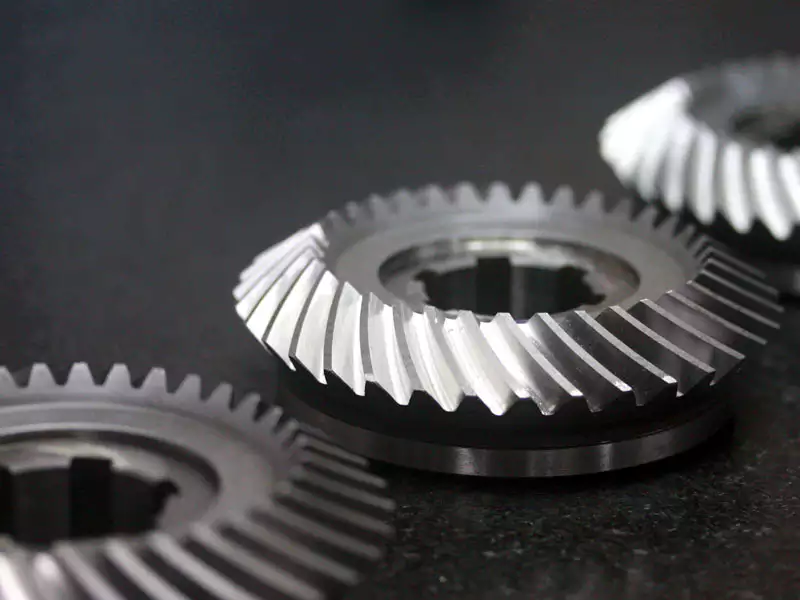
Our company specializes in the production and sale of various types of gears, including spur gears, helical gears, bevel gears, worm gears, and more. We take pride in offering top-quality gear products to meet the needs of our customers. Here are five key advantages of choosing our company:
1. High-Quality Materials
At our company, we only use the finest materials for manufacturing gears. We understand that the quality of the materials directly affects the performance and durability of the gear. By using high-quality materials, we ensure that our gears can withstand even the most demanding applications.
2. Ultra-Precision Machining
We employ state-of-the-art ultra-precision machining techniques to produce gears with exceptional precision and accuracy. Our team of skilled technicians and engineers utilize advanced machinery and technology to ensure that each gear meets the strictest tolerances and specifications.
3. Customization Options
We understand that different applications require gears with specific features and dimensions. That’s why we offer a wide range of customization options to cater to our customers’ unique needs. Whether it’s modifying tooth profiles, gear ratios, or surface finishes, our team can tailor the gears to meet your exact requirements.
4. Stringent Quality Control
Quality is at the forefront of everything we do. Our company implements stringent quality control measures throughout the manufacturing process to ensure that every gear meets our high standards. From material inspection to final product testing, we leave no room for compromise when it comes to delivering superior gears.
5. Timely Delivery
We understand the importance of timely delivery in today’s fast-paced industry. Our company has established efficient production and logistics systems to ensure that your gears are delivered on schedule. We pride ourselves on our ability to meet deadlines without compromising the quality of our products.
The Birth of a Gear: The Process and Techniques
Creating a gear involves several essential steps and techniques. Here’s a breakdown of the process:
1. Design and Engineering
Our experienced engineers work closely with clients to understand their requirements and design gears that meet their specific needs. This stage involves conceptualization, 3D modeling, and simulation to ensure optimal gear performance.
2. Material Selection
Choosing the right material is crucial for gear performance and longevity. We carefully select materials based on factors such as load capacity, wear resistance, and compatibility with the intended application.
3. Machining and Shaping
Using our advanced ultra-precision machining techniques, we transform the selected material into the desired gear shape. This process involves precision cutting, grinding, and shaping to achieve the required tooth profiles and dimensions.
4. Heat Treatment
To enhance the strength and durability of the gear, we subject it to heat treatment processes such as carburizing, quenching, and tempering. This ensures that the gear can withstand the rigors of its intended application.
5. Finishing and Inspection
After heat treatment, the gear undergoes thorough finishing processes to achieve the desired surface smoothness and remove any imperfections. Each gear then undergoes meticulous inspection to ensure it meets our stringent quality standards.
With our expertise in gear manufacturing, dedication to quality, and commitment to customer satisfaction, we invite you to collaborate with us. Let us be your trusted partner in providing high-performance gears for your specific needs.
Author: Miya