Tool sharpening
Introduction
Tool sharpening is a crucial process in the world of woodworking and metalworking. It involves restoring the sharpness and effectiveness of various tools, such as drills, saws, and chisels. Proper tool sharpening not only improves the efficiency and accuracy of work but also extends the lifespan of the tools. In this article, we will delve into the intricacies of tool sharpening and explore different techniques and considerations to achieve optimal results.
Understanding the Importance of Sharp Tools
1. Enhanced cutting performance: Sharp tools provide cleaner and more precise cuts, reducing the chances of mistakes and errors.
2. Increased productivity: Sharpened tools require less effort and time to complete tasks, ultimately boosting productivity.
3. Extended tool lifespan: Regular sharpening prevents excessive wear and tear, prolonging the lifespan of tools.
Types of Tools that Require Sharpening
1. Circular saw blades
2. Chisels and plane irons
3. Drill bits
4. Router bits
5. Handsaws
6. Woodturning tools
7. Knives and scissors
8. Shears and pruners
9. Axes and hatchets
10. Gardening tools
Factors to Consider Before Sharpening
1. Tool material: Different materials require specific sharpening techniques. High-speed steel, carbide, and diamond-coated tools each have unique sharpening requirements.
2. Blade angle: The optimal blade angle depends on the intended use and the type of tool. Determining the correct angle ensures efficient and safe cutting.
3. Sharpening methods: Various methods can be used for sharpening, including grinding, honing, and stropping. Each method has its own advantages and is suitable for different tools.
Sharpening Techniques
1. Grinding: This process involves removing material to reshape the tool’s edge. It is commonly used for reshaping chisels and plane irons.
2. Honing: Honing is a finer sharpening process that removes less material and creates a polished edge. It is ideal for achieving a razor-sharp edge on knives and scissors.
3. Stropping: Stropping is the final step in sharpening, which helps refine and polish the edge of the tool, resulting in a smooth and sharp cutting surface.
Proper Maintenance of Sharpened Tools
1. Clean tools after use to prevent the accumulation of debris that can affect the sharpness.
2. Store sharp tools in a designated place to protect the edges from damage.
3. Regularly check the sharpness of tools and perform touch-up sharpening as needed.
4. Use appropriate safety measures when handling sharp tools to avoid accidents and injuries.
Conclusion
Tool sharpening is a vital aspect of woodworking and metalworking that ensures the tools perform optimally and have a longer lifespan. By understanding the importance of sharp tools, knowing which tools require sharpening, considering the factors before sharpening, and using appropriate sharpening techniques, craftsmen can achieve exceptional results. Regular maintenance and proper handling of sharpened tools also contribute to their longevity and effectiveness. Keep your tools sharp, and your work will shine!
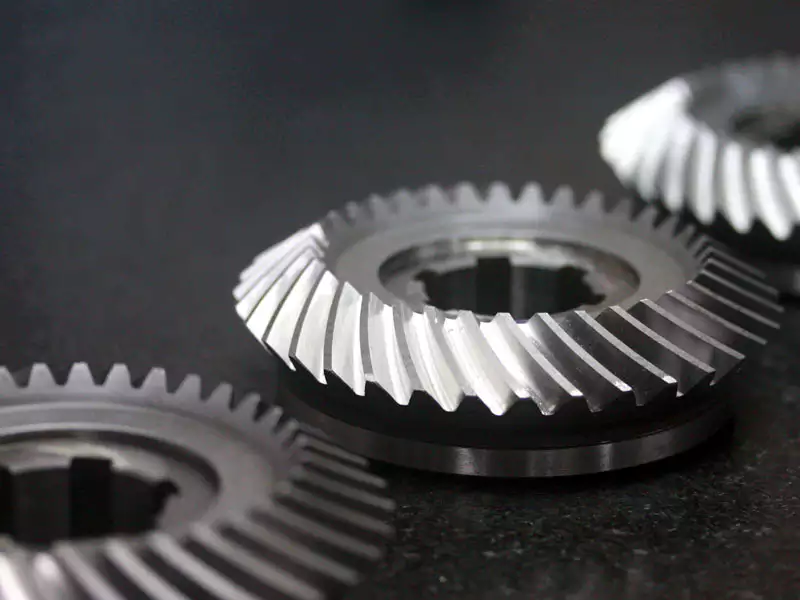
Our company specializes in manufacturing and selling various types of gears, including spur gears, helical gears, bevel gears, worm gears, and more. We take pride in our expertise and offer several advantages that set us apart from the competition:
1. Quality Materials
We use only the finest materials for our gears, ensuring durability, longevity, and reliable performance. Every gear is crafted with precision to meet the highest industry standards.
2. Advanced Technology
Equipped with state-of-the-art machinery and cutting-edge technology, our manufacturing process is efficient and precise. We continuously invest in upgrading our equipment to deliver gears of superior quality.
3. Customization Options
We understand that different applications require specific gear designs. That’s why we offer a wide range of customization options, allowing our customers to tailor gears to their exact requirements. From tooth profile to gear ratio, we can accommodate a variety of specifications.
4. Expert Team
Our team of skilled engineers and technicians are experts in the field of gear manufacturing. With years of experience and in-depth knowledge, they ensure that every gear is meticulously crafted and meets our clients’ expectations.
5. Competitive Pricing
Despite our commitment to superior quality, we offer competitive pricing in the market. We believe that excellent gears should be accessible to all, and we strive to provide the best value for our customers’ investment.
The birth of a gear involves several steps and processes, each playing a crucial role in its formation:
1. Design and Engineering
Our experienced engineers work closely with clients to understand their requirements, ensuring that the gear design meets their specific needs. They utilize advanced software and tools to create precise and efficient gear designs.
2. Material Selection
Choosing the right material is vital for gear performance. Our experts carefully evaluate the application and operating conditions to select the most suitable material, considering factors such as strength, heat resistance, and wear resistance.
3. Cutting and Shaping
The selected material is then cut and shaped using specialized machinery. The gear’s teeth are precisely formed, ensuring smooth meshing and optimal power transmission. Our technicians pay close attention to every detail to maintain the gear’s accuracy.
4. Heat Treatment
To enhance the gear’s hardness and durability, it undergoes a heat treatment process. This carefully controlled heating and cooling process improves its mechanical properties, such as strength and wear resistance.
5. Quality Control
Before leaving our facility, every gear undergoes rigorous quality control checks. We meticulously inspect each gear to ensure it meets our high standards for dimensional accuracy, surface finish, and overall performance.
Partner with us today and experience the expertise and excellence that our gears offer. Contact us now to discuss your gear requirements and let us provide you with the perfect solution for your applications.
Author: Miya