Thermal Management
Thermal management is a crucial aspect in various industries where heat dissipation plays a significant role. In this blog post, we will explore the different aspects of thermal management, its importance, and various techniques used to address heat-related challenges.
1. Understanding Thermal Management
Thermal management refers to the process of controlling and maintaining the optimum temperature of electronic components or systems to ensure their proper functioning and longevity. It involves managing heat generation, heat transfer, and heat dissipation.
1.1 Heat Generation
Heat generation is the initial phase of thermal management, where heat is produced as a byproduct of various operations within electronic devices or systems. Efficient thermal management involves minimizing heat generation through measures such as optimizing circuit designs and reducing power consumption.
1.2 Heat Transfer
Heat transfer is the process of moving heat from its source to a heat sink or dissipating medium. There are three main modes of heat transfer: conduction, convection, and radiation. Understanding these modes helps in selecting appropriate cooling techniques.
2. Importance of Thermal Management
Effective thermal management is essential to ensure the reliability, performance, and lifespan of electronic components. Failure to manage heat properly can lead to various issues, including component degradation, reduced efficiency, and even system failure.
2.1 Component Reliability
Proper thermal management ensures the reliability of electronic components by preventing excessive heat build-up, which can cause material degradation, thermal stress, and accelerated aging. Maintaining optimal operating temperatures improves the overall performance and lifespan of components.
2.2 Performance Optimization
By managing heat effectively, thermal management techniques can enhance the performance of electronic devices. Cooler operating temperatures can reduce power consumption, increase processing speeds, and improve overall system efficiency.
3. Techniques for Thermal Management
Several techniques and technologies are employed to address the challenges associated with thermal management in different industries. Let’s explore some of the commonly used methods:
3.1 Heat Sinks
Heat sinks are passive cooling devices that absorb and dissipate heat away from electronic components. They are typically made of metal and have a large surface area to facilitate efficient heat transfer through conduction and convection.
3.2 Thermal Interface Materials
Thermal interface materials, such as thermal pastes, pads, and films, are used to improve heat transfer between electronic components and heat sinks. These materials fill in microscopic gaps and air pockets, reducing thermal resistance and improving overall cooling efficiency.
3.3 Liquid Cooling
Liquid cooling involves circulating a coolant, such as water or glycol, through a system to absorb and carry away heat. It is commonly used in high-performance computing, gaming PCs, and other applications where air cooling may not be sufficient.
3.4 Phase Change Materials
Phase change materials (PCMs) are substances that can absorb or release heat during phase transitions. They are used in thermal management to store and regulate heat within a system. PCMs offer higher thermal conductivity and can provide more effective cooling compared to other methods.
3.5 Active Cooling
Active cooling methods, such as fans and blowers, utilize mechanical means to enhance heat dissipation. These devices create airflow, increasing convective heat transfer and preventing heat buildup in electronic components.
4. Conclusion
Thermal management plays a critical role in ensuring the reliable operation and performance of electronic components and systems. By understanding the principles of heat generation, transfer, and dissipation, and employing appropriate techniques, industries can effectively manage heat-related challenges and enhance the overall efficiency and lifespan of their products.
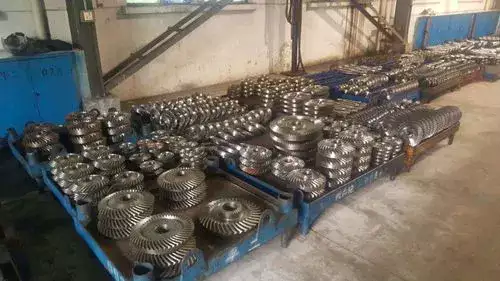
Our company specializes in the production and sale of various types of gears, including spur gears, helical gears, bevel gears, worm gears, and more. With a strong focus on Thermal Management, we have established ourselves as a leader in the industry. Here are six key advantages of choosing our company:
1. High-Quality Materials
We use only the finest materials for our gears, ensuring durability and reliability in all our products. Our commitment to quality sets us apart from the competition.
2. Precision Engineering
Our team of skilled engineers utilizes advanced technology and precision techniques to design and manufacture gears that meet the highest standards of accuracy and performance.
3. Customization Options
Understanding that different applications require different gear specifications, we offer a wide range of customization options to meet the unique needs of our clients. From size to material to tooth profile, we can tailor our gears to your exact requirements.
4. Competitive Pricing
Despite our superior quality and customization options, we strive to offer competitive pricing to our customers. We believe in providing value for money and ensuring that our clients receive the best possible deal.
5. Timely Delivery
We understand the importance of timely delivery in the manufacturing industry. With efficient production processes and an organized supply chain, we ensure that our gears reach our customers on schedule.
6. Excellent Customer Support
At our company, customer satisfaction is of utmost importance. We have a dedicated support team that is ready to assist you with any inquiries or concerns. From pre-sales consultations to after-sales support, we are committed to providing excellent service every step of the way.
A gear’s journey from concept to reality involves several crucial steps and processes:
1. Design and Engineering
Our experienced team of designers and engineers work closely together to create gear designs that meet the specific requirements of our clients. This stage involves designing the gear profile, tooth geometry, and overall dimensions.
2. Material Selection
Choosing the right material is essential to ensure the gear’s performance and longevity. We carefully select materials that offer the necessary strength, hardness, and wear resistance for each application.
3. Manufacturing
Using state-of-the-art machinery and advanced manufacturing techniques, we transform the design into a physical gear. Our skilled technicians meticulously cut the gear teeth, shape the gear body, and perform any necessary heat treatment processes.
4. Quality Control
Prior to packaging and delivery, each gear undergoes rigorous quality control checks. We employ strict inspection measures to verify dimensional accuracy, tooth profile, surface finish, and overall product quality.
5. Testing and Validation
For critical applications, we conduct performance testing to ensure that the gear meets the required specifications and performs as intended. This step may involve load testing, endurance testing, and noise/vibration analysis.
6. Delivery and Support
Once the gears pass all quality checks, they are carefully packaged and prepared for delivery. We provide comprehensive documentation and support materials to assist our customers in the installation and maintenance of our gears.
Choose our company for all your gear needs, and experience the unmatched quality, customization options, and reliable support that sets us apart from the competition. Contact us today to discuss how we can collaborate on your next project.
Author: Miya