Tempering
Introduction
Tempering is a heat treatment process used to improve the mechanical properties of metals, particularly steel. It involves heating the material to a specific temperature and then cooling it in a controlled manner. This article explores the various aspects of tempering and its significance in enhancing the performance and durability of steel components.
1. Definition of Tempering
Tempering is a process in which hardened steel is reheated and then cooled at a specific temperature, resulting in changes to its microstructure and properties. It is typically performed after quenching, a process that rapidly cools the steel to increase its hardness.
2. Importance of Tempering
Tempering plays a crucial role in improving the mechanical properties of steel, balancing its hardness and toughness. It reduces the brittleness of hardened steel, making it less prone to fractures and failures. By controlling the tempering temperature, engineers can achieve the desired combination of strength, ductility, and hardness for specific applications.
3. Tempering Process
The tempering process involves three main stages: heating, soaking, and cooling. The steel is heated to a temperature below its critical point and held at that temperature for a specific period of time. This allows for the redistribution of carbon atoms within the steel, resulting in the desired changes to its microstructure. The steel is then cooled slowly to room temperature.
4. Effects of Tempering
During tempering, several changes occur in the steel’s microstructure, leading to the following effects:
- 1. Reduction in hardness: Tempering reduces the hardness of hardened steel, making it less brittle and more ductile.
- 2. Increase in toughness: The tempering process increases the toughness of steel, making it more resistant to impact and shock loads.
- 3. Relief of internal stresses: Tempering helps relieve the internal stresses in hardened steel, reducing the risk of cracking or distortion.
5. Types of Tempering
There are several types of tempering, each offering specific benefits for different applications. Some common types include:
- Austempering: This process involves quenching the steel to a temperature just above the martensite start temperature and holding it there until the transformation is complete.
- Martempering: In martempering, the steel is quenched to a temperature slightly above the martensite start temperature and then rapidly cooled to a temperature just above the martensite finish temperature.
- Stress Relieving: Stress relieving is a low-temperature tempering process used to reduce residual stresses in the steel without significantly affecting its hardness or strength.
6. Applications of Tempering
Tempering finds applications in various industries, including:
- 1. Automotive: Tempered steel is used in gears, shafts, and other critical components of automotive transmissions.
- 2. Tooling: Tempering is essential in the production of high-speed cutting tools, such as drill bits, taps, and milling cutters.
- 3. Construction: Steel used in construction, such as reinforcement bars and structural components, undergoes tempering to enhance its strength and durability.
Conclusion
Tempering is a vital heat treatment process that improves the properties of steel, making it more suitable for various applications. By carefully controlling the tempering temperature and time, engineers can achieve the desired balance of hardness and toughness in steel components. Understanding the principles and effects of tempering is crucial for optimizing the performance and reliability of steel products.
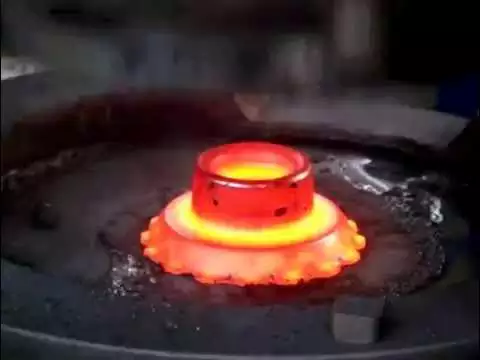
Our company specializes in the production and sale of various types of gears, including spur gears, helical gears, bevel gears, worm gears, and more. With our expertise in gear manufacturing, we offer several advantages that set us apart from the competition:
1. Superior Quality
At our company, we prioritize the production of gears with outstanding quality. We use advanced machinery and techniques to ensure precision and durability in every gear we manufacture. Our commitment to quality control guarantees that our gears meet the highest industry standards.
2. Wide Range of Options
We offer a diverse range of gear types and sizes to cater to various industries and applications. Whether our customers need gears for automotive, industrial, or other specialized purposes, we have the expertise and capabilities to provide the perfect gear solution.
3. Customization Flexibility
We understand that different customers have unique requirements. That’s why we offer customized gear solutions tailored to specific needs. Our experienced team works closely with clients to design and produce gears that meet their exact specifications, ensuring optimal performance and fit.
4. Competitive Pricing
While maintaining superior quality, we strive to offer competitive pricing for our gears. We believe that high-quality products should be accessible to all, and we work hard to provide cost-effective solutions without compromising on performance or reliability.
5. Timely Delivery
Meeting deadlines is crucial in today’s fast-paced business environment. Our streamlined production processes and efficient supply chain management enable us to deliver gears to our customers on time. We value punctuality and understand the importance of prompt gear delivery to keep our clients’ operations running smoothly.
The Birth of a Gear: The Process and Techniques
Creating a gear involves several essential steps and techniques. Here’s a breakdown of the process:
1. Design and Engineering
The first step is to design the gear, considering factors such as load requirements, operating conditions, and gear ratio. Our skilled engineers utilize computer-aided design (CAD) software to create accurate and efficient gear designs.
2. Material Selection
Choosing the right material is crucial for gear performance and longevity. We carefully select materials based on factors like strength, wear resistance, and heat treatment capabilities. This ensures that our gears can withstand the demands of their intended applications.
3. Cutting and Shaping
Once the design and material selection are finalized, the gear manufacturing process begins. It typically involves cutting and shaping the gear teeth using specialized machinery such as gear hobbing or gear shaping machines. This step ensures precise tooth profiles and optimal meshing capabilities.
4. Heat Treatment
Heat treatment is often applied to enhance the mechanical properties of gears. Processes like carburizing, quenching, and tempering are used to increase hardness, improve wear resistance, and enhance the gear’s overall strength and durability.
5. Finishing and Inspection
After the heat treatment process, gears undergo finishing operations like grinding, deburring, and polishing to achieve the desired surface finish. This is followed by thorough inspection and quality control measures to ensure that each gear meets our stringent standards.
Partner with Us for Exceptional Gear Solutions
When it comes to gears, our company is your reliable partner for high-quality, customized solutions. With our expertise, wide range of options, competitive pricing, and commitment to timely delivery, we are confident in our ability to meet and exceed your gear requirements.
Contact us today to discuss your gear needs and experience the excellence that sets us apart.
Author: Miya