Sintering (for powder metallurgy gears)
Introduction
Sintering is a crucial process in the production of powder metallurgy gears. It involves the heating and compacting of metal powders to create fully dense and mechanically strong components. This article explores the various aspects of sintering for powder metallurgy gears, highlighting its importance in achieving high-quality gear products.
1. Importance of Sintering in Gear Manufacturing
Sintering plays a vital role in the manufacturing of powder metallurgy gears. It enables the consolidation of metal powders into solid components, providing the necessary structural integrity and dimensional accuracy required for gear applications.
2. Powder Selection and Preparation
Prior to the sintering process, careful consideration must be given to the selection and preparation of metal powders. Various factors such as particle size, chemical composition, and morphology can significantly impact the sintering behavior and final properties of the gears.
3. Powder Mixing and Blending
Proper mixing and blending of metal powders are essential for achieving a homogeneous powder mixture. This ensures uniformity in composition and enhances the sintering process, leading to improved gear performance.
4. Compaction of Powder Mixture
During compaction, the powder mixture is subjected to high pressure to form green compacts. This step helps in the consolidation of powders and the removal of interparticle voids, resulting in enhanced density and strength of the gear components.
5. Sintering Furnace and Temperature Profile
The sintering furnace provides the necessary heat for the sintering process. The selection of furnace type and the temperature profile are critical in achieving the desired metallurgical transformations, such as diffusion and grain growth, which contribute to the final properties of the gears.
6. Sintering Atmosphere and Protective Coatings
The choice of sintering atmosphere and the application of protective coatings can have a significant impact on the sintering process. These factors influence the oxidation and contamination of the gear surfaces, ultimately affecting the mechanical properties and surface finish of the gears.
7. Densification and Shrinkage during Sintering
During the sintering process, the green compacts undergo densification and shrinkage as a result of particle rearrangement and diffusion. Understanding these phenomena is crucial for controlling dimensional changes and ensuring the dimensional accuracy of the gears.
8. Grain Growth and Microstructure Development
Sintering promotes grain growth, leading to the development of a desirable microstructure in the gear components. The size and distribution of grains influence the mechanical properties, such as hardness and strength, as well as the wear resistance and fatigue life of the gears.
9. Sintering Defects and Quality Control
Despite careful process control, sintering defects can occur, affecting the quality of the gear components. Understanding common defects, such as porosity and cracking, and implementing effective quality control measures are essential for producing high-quality gears.
10. Post-Sintering Operations
After sintering, additional operations may be required to achieve the final gear specifications. These operations can include sizing, repressing, heat treatment, and surface finishing, all aimed at improving the gear’s functional performance and appearance.
11. Advances in Sintering Technology
Ongoing research and development efforts continue to advance sintering technology for powder metallurgy gears. Innovations in furnace design, sintering atmospheres, and process control techniques offer opportunities for further improving the properties and performance of gear components.
12. Environmental Considerations
In addition to its technical significance, sintering for powder metallurgy gears also has environmental implications. The optimization of sintering processes and the adoption of sustainable practices can contribute to reducing energy consumption, minimizing emissions, and promoting eco-friendly gear manufacturing.
13. Applications of Powder Metallurgy Gears
Powder metallurgy gears find applications in various industries, including automotive, aerospace, and power transmission. Their unique properties, cost-effectiveness, and design flexibility make them suitable for a wide range of demanding gear applications.
14. Future Prospects and Challenges
The future of sintering for powder metallurgy gears looks promising, with continuous advancements and increasing demands for high-performance gears. However, challenges such as improving dimensional control, enhancing material properties, and exploring new alloy systems remain areas of focus for researchers and gear manufacturers.
15. Conclusion
Sintering, as a critical step in the production of powder metallurgy gears, plays a pivotal role in achieving the desired gear properties. By carefully considering powder selection, compaction, sintering parameters, and post-sintering operations, manufacturers can produce high-quality gears that meet the stringent requirements of various industries.
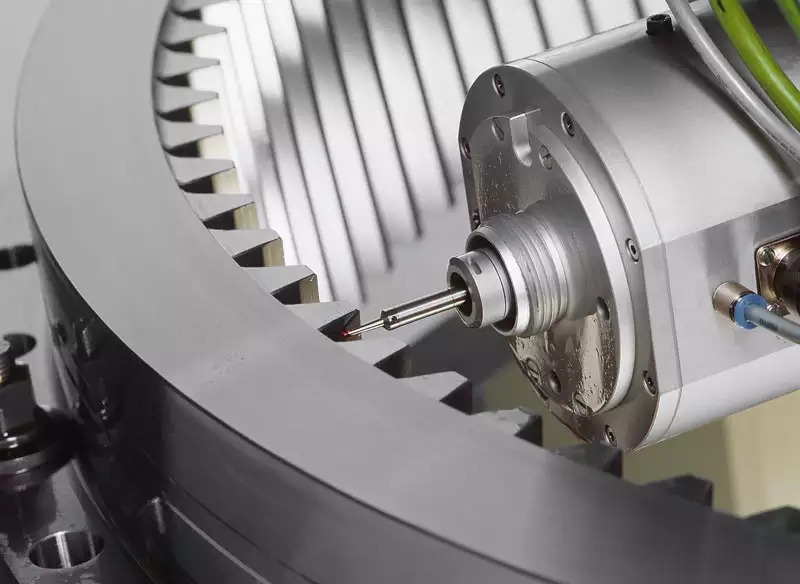
Our company specializes in the production and sale of various types of gears, including spur gears, helical gears, bevel gears, worm gears, and more. We take pride in offering a wide range of gear options to meet the diverse needs of our customers. Here are five key advantages of choosing our company:
1. Superior Quality
Our gears are manufactured using the sintering process, which ensures excellent quality and precision. We utilize state-of-the-art technology and strict quality control measures to deliver gears that meet the highest industry standards.
2. Customization Options
We understand that every application requires unique gear specifications. That’s why we offer a variety of customization options to tailor our gears to your specific requirements. From material selection to tooth profile design, we can customize gears to optimize performance and enhance efficiency.
3. Cost-Effective Solutions
By employing the sintering process for powder metallurgy gears, we are able to offer cost-effective solutions without compromising on quality. This manufacturing method allows for efficient material usage, reducing waste and overall production costs. We pass these savings onto our customers without sacrificing the performance and durability of our gears.
4. Expertise and Experience
With years of experience in the industry, our team of skilled engineers and technicians possess the expertise to design and produce high-quality gears. We stay updated with the latest advancements in gear technology, ensuring that our customers receive innovative solutions that meet their evolving needs.
5. Timely Delivery
We understand the importance of timely delivery to keep your operations running smoothly. With our streamlined production process and efficient logistics, we ensure that our gears are delivered to you within the agreed-upon timeframe. Our commitment to punctuality sets us apart from the competition.
The Birth of a Gear: Steps and Processes
Have you ever wondered how a gear comes to life? Here are the essential steps and processes involved:
1. Design and Engineering
Our skilled engineers work closely with you to understand your gear requirements. They utilize advanced design software to create 3D models and ensure optimal gear performance.
2. Material Selection
Based on your application needs, we carefully select the appropriate materials for your gears. Factors such as strength, durability, and compatibility are taken into consideration during this process.
3. Sintering
Sintering is a crucial process in powder metallurgy gear manufacturing. It involves compacting metal powders under high temperature and pressure to create a solid gear blank with improved density and strength.
4. Machining and Finishing
After sintering, the gear blank undergoes machining processes such as turning, milling, and grinding to achieve the desired dimensions and tooth profile. Finishing operations like heat treatment and surface coating are also performed to enhance the gear’s performance and durability.
5. Quality Inspection
Prior to shipment, each gear undergoes rigorous quality inspection to ensure it meets our strict standards. Dimensional checks, hardness testing, and functional evaluations are performed to guarantee the gear’s reliability and performance.
Partner with us and experience the excellence that our gears bring to your applications. Whether you need standard gears or custom solutions, we are committed to delivering products of the highest quality, tailored to your specific needs.
Author: Miya