Radial Runout Measurement
Introduction
In the field of mechanical engineering, the measurement and analysis of radial runout play a crucial role in ensuring the precision and performance of rotating machinery. Radial runout refers to the deviation of a rotating component’s axis from its true centerline, resulting in variations in the distance between the rotating surface and a fixed reference point. This article will delve into the concept of radial runout measurement and its significance in various industries.
Understanding Radial Runout
1. Definition: Radial runout, also known as concentricity error, is the measurement of the eccentricity between the rotation axis of a component and its true centerline.
2. Causes: Radial runout can be attributed to several factors, including manufacturing imperfections, improper assembly, bearing wear, and thermal expansion.
3. Effects: Excessive radial runout can result in vibration, reduced performance, increased wear and tear, and even catastrophic failure of the rotating machinery.
Measurement Techniques
1. Dial Indicator Method: This traditional technique involves using a dial indicator to measure the displacement of a rotating component at various points. The readings are then compared to the specified tolerance limits.
2. Laser Measurement: Laser-based systems provide a non-contact and highly accurate method for measuring radial runout. They utilize laser beams to detect and quantify the deviation between the rotating surface and the reference axis.
3. CMM Inspection: Coordinate Measuring Machines (CMMs) are employed to measure and analyze radial runout in a precise and automated manner. These machines use touch probes or optical sensors to gather data for comprehensive analysis.
Importance in Industry
1. Automotive Sector: Radial runout measurement is critical in the production of engines, transmissions, and wheels, ensuring smooth operation, reducing noise, and improving fuel efficiency.
2. Aerospace Industry: Precise measurement of radial runout is vital for aircraft engines, propellers, and landing gear components, guaranteeing optimal performance and safety during flight.
3. Bearing Manufacturing: Radial runout assessment is essential in the production of high-precision bearings, ensuring their smooth rotation, reduced friction, and extended lifespan.
Conclusion
Radial runout measurement is a fundamental aspect of quality control in various industries. By accurately assessing and minimizing radial runout, manufacturers can enhance the reliability, efficiency, and durability of rotating machinery. Embracing advanced measurement techniques and adhering to strict tolerance limits are key to achieving optimal performance and customer satisfaction.
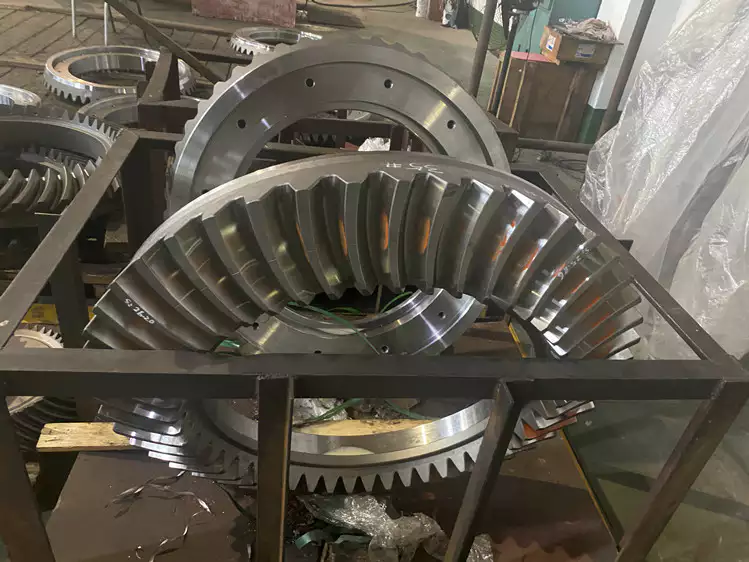
Our company specializes in the production and sale of various types of gears, including spur gears, helical gears, bevel gears, worm gears, and more. With years of experience in the industry, we have established ourselves as a leading provider in the market. There are several key advantages that set our company apart:
1. Quality Assurance
At our company, we prioritize the highest standards of quality in the production of gears. We have implemented stringent quality control measures at every stage of the manufacturing process. From the selection of raw materials to the final inspection, we ensure that each gear meets the required specifications and performs flawlessly.
2. Precision Engineering
We have a team of skilled engineers who are experts in precision engineering. They utilize advanced technology and innovative techniques to design and manufacture gears with utmost accuracy. Our commitment to precision ensures that our gears have excellent performance, durability, and compatibility.
3. Extensive Product Range
Our company offers a wide range of gears to cater to diverse industry requirements. Whether you need gears for automotive applications, industrial machinery, or any other specific use, we have a comprehensive product portfolio to meet your needs. Our extensive range of gear options allows our customers to find the perfect solution for their applications.
4. Customization Capabilities
We understand that every customer may have unique requirements. To address this, we offer customized gear solutions tailored to specific needs. Our team of engineers works closely with customers to understand their requirements and develop gears that precisely match their specifications. We take pride in our ability to deliver tailor-made solutions that meet the exact needs of our clients.
5. Timely Delivery
Meeting deadlines is crucial in today’s competitive business environment. We value the importance of timely delivery and strive to ensure that our customers receive their orders promptly. With efficient production processes and a reliable supply chain, we aim to provide quick turnaround times without compromising on quality.
The journey of creating a gear involves several steps and processes:
1. Design and Engineering
The first step in creating a gear is the design and engineering phase. Our skilled engineers utilize CAD software and other design tools to develop precise gear designs based on the specific requirements and application. This phase includes determining gear specifications, tooth profiles, and other technical details.
2. Material Selection
Once the design is finalized, the next step is selecting the appropriate material for the gear. Factors such as load capacity, wear resistance, and operating conditions are considered when choosing the material. We carefully select high-quality materials to ensure the durability and performance of our gears.
3. Manufacturing
After material selection, the manufacturing process begins. This involves various techniques such as cutting, shaping, heat treatment, and finishing to transform the raw materials into the desired gear shape. Our state-of-the-art manufacturing facilities and skilled technicians ensure the highest level of precision and quality in every gear we produce.
4. Quality Control
Quality control is an integral part of our gear production process. Each gear undergoes rigorous inspection and testing to ensure it meets the required specifications. Our quality control team utilizes advanced measuring equipment to check factors such as radial runout measurement, tooth profile accuracy, and surface finish.
5. Packaging and Delivery
Once the gears pass the quality control tests, they are carefully packaged to protect them during transportation. We use suitable packaging materials and methods to ensure the safe delivery of our products. Our efficient logistics team ensures timely dispatch and delivery of orders, enabling our customers to receive their gears when they need them.
With our commitment to quality, precision engineering, diverse product range, customization capabilities, and timely delivery, we are confident that partnering with our company will be a wise choice. Our goal is to provide our customers with high-quality gears that meet their specific requirements and contribute to their success.
Author: Miya