Physical Vapor Deposition (PVD)
Introduction
Physical Vapor Deposition (PVD) is a widely used technique in the field of surface engineering and thin film deposition. It involves the deposition of thin films onto a substrate through the process of physical vaporization and condensation.
Evaporation
Evaporation is the first step in the PVD process. It involves the conversion of a solid material into vapor form using thermal energy. This vaporization is achieved in a vacuum chamber under controlled conditions.
Vapor Transport
Once the material is in vapor form, it undergoes vapor transport to the substrate surface. This is facilitated by the pressure difference between the vapor source and the substrate. The vapor molecules travel through the vacuum chamber and deposit onto the substrate.
Condensation
Condensation is the next stage of PVD, where the vapor molecules lose their energy and transform back into solid form. This occurs when the vapor comes in contact with the cooler substrate surface. The condensed material forms a thin film on the substrate.
Types of PVD Techniques
- Magnetron Sputtering
- Ion Plating
- Electron Beam Evaporation
Magnetron sputtering is a widely used PVD technique. It involves the use of a magnetron to create a plasma discharge, which ionizes the sputtering gas and ejects atoms from the target material. These atoms then deposit onto the substrate.
Ion plating is another PVD technique that utilizes ionized vapor. It involves the use of a high-voltage electric field to accelerate the ionized vapor towards the substrate. This technique allows for better film adhesion and control over the deposition process.
Electron beam evaporation is a PVD technique that utilizes an electron beam to vaporize the target material. The high-energy electron beam bombards the target, causing it to vaporize and deposit onto the substrate. This technique is known for its high deposition rates.
Applications of PVD
PVD finds applications in various industries, including:
- Optical Coatings
- Decorative Coatings
- Hard Coatings
- Semiconductor Fabrication
- Tool Coatings
With its ability to produce thin films with precise thickness and composition control, PVD has revolutionized many technological advancements in these industries.
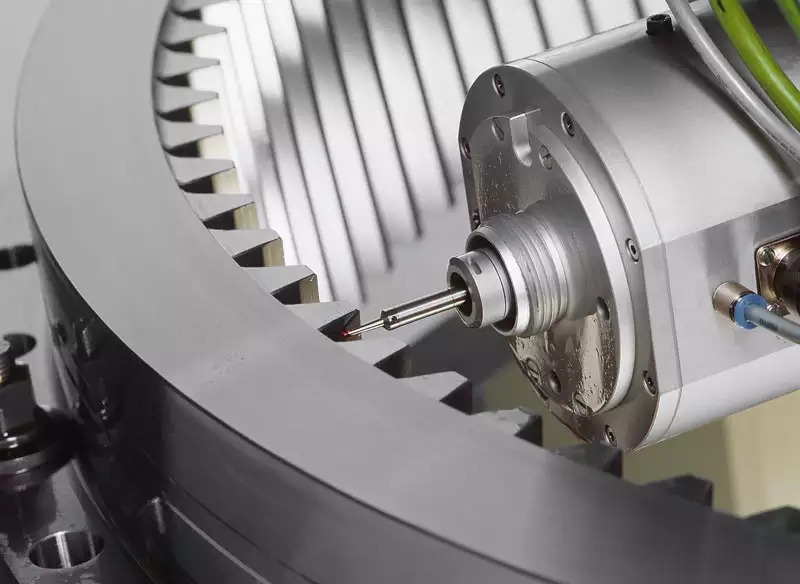
Conclusion
Physical Vapor Deposition (PVD) is a versatile technique that allows for the deposition of thin films with a wide range of properties. Its applications extend across various industries, making it a crucial process in surface engineering and thin film technology.
Our company specializes in the production and sale of various types of gears, including spur gears, helical gears, bevel gears, worm gears, and more. With years of experience and expertise in the industry, we take pride in offering top-quality gears that meet the diverse needs of our customers. Here are five key advantages of choosing our company:
1. Superior Quality
At our company, we prioritize quality above all else. We adhere to strict quality control measures throughout the manufacturing process to ensure that our gears meet the highest standards. From material selection to precision machining, every step is carefully executed to deliver gears that are reliable, durable, and perform optimally.
2. Extensive Range of Options
We offer a wide range of gear options suited for various applications. Whether you require gears for automotive, aerospace, industrial machinery, or any other industry, we have the expertise to provide you with the perfect gear solution. Our extensive inventory and customizable options allow us to meet the unique requirements and specifications of our customers.
3. Advanced Technology
Equipped with state-of-the-art facilities and cutting-edge technology, we employ advanced manufacturing techniques to produce gears with exceptional precision and efficiency. Our utilization of Physical Vapor Deposition (PVD) technology enhances the performance and durability of our gears, making them resistant to wear, corrosion, and other environmental factors.
4. Skilled Team
Our dedicated team of engineers and technicians are highly skilled and experienced in the field of gear manufacturing. They possess in-depth knowledge of gear design, production processes, and the latest industry trends. With their expertise, we can provide excellent technical support, customize gears to meet specific requirements, and ensure prompt delivery.
5. Customer Satisfaction
Customer satisfaction is at the core of our business. We value our customers and strive to build long-lasting partnerships based on trust and reliability. From the initial consultation to after-sales support, we prioritize open communication, efficient service, and quick response times. Our commitment to customer satisfaction has earned us a reputation for excellence in the industry.
The Gear Production Process
Creating a gear involves a series of steps and processes. Here is an overview of the typical gear manufacturing process:
1. Design and Engineering
The process starts with the design and engineering phase, where the gear specifications and requirements are determined. This includes factors such as gear type, size, tooth profile, and intended application. Our team of experts utilizes advanced software and CAD/CAM tools to create detailed gear designs and ensure optimal performance.
2. Material Selection
Choosing the right material is crucial for gear performance and longevity. Depending on the application and requirements, materials such as steel, iron, bronze, or even specialized alloys may be used. Our materials undergo rigorous testing to ensure they meet the necessary mechanical properties and can withstand the intended operating conditions.
3. Cutting and Shaping
The selected material is then cut and shaped into the desired gear form. This is typically done through various machining processes such as milling, hobbing, shaping, or broaching. Precision machinery and tools are utilized to ensure accurate tooth profiles, gear dimensions, and surface finishes.
4. Heat Treatment
Heat treatment is employed to enhance the material properties of the gear, such as hardness and strength. The gear is subjected to controlled heating and cooling processes, such as quenching and tempering, to achieve the desired mechanical properties. This step ensures that the gear can withstand the forces and stresses encountered during operation.
5. Surface Treatment – Physical Vapor Deposition (PVD)
As part of our commitment to superior quality and durability, we utilize Physical Vapor Deposition (PVD) technology for surface treatment. This process involves depositing a thin coating of specialized materials onto the gear surface using a vacuum chamber. The PVD coating enhances the gear’s resistance to wear, friction, and corrosion, contributing to its overall performance and longevity.
By following these steps, we ensure that each gear produced meets the highest standards of quality, performance, and reliability.
Join us today and experience the exceptional quality, extensive options, advanced technology, skilled team, and unwavering commitment to customer satisfaction that sets us apart from the competition. Contact us now to discuss your gear requirements and explore how we can partner together for success.
Author: Miya