Misalignment and Broken Tooth Inspection
1. Introduction
Misalignment and broken tooth inspection are critical aspects of maintaining the efficiency and reliability of mechanical systems. In this article, we will delve into the various methods used to detect and address misalignment and broken tooth issues in machinery.
2. Misalignment Detection
Misalignment in mechanical systems can lead to a range of problems, including increased wear and tear, decreased performance, and potential breakdowns. To detect misalignment, engineers employ a variety of techniques:
- Laser alignment: This method utilizes laser technology to measure the alignment of rotating components with high precision.
- Dial indicator measurement: By using dial indicators, engineers can measure and quantify misalignment by tracking deviations from the ideal position.
- Ultrasonic detection: Ultrasonic waves are used to identify misalignment by analyzing the reflections and echoes produced by the components.
3. Broken Tooth Inspection
Broken teeth in gears or other mechanical components can lead to catastrophic failures if not detected and addressed promptly. Here are some methods for inspecting broken teeth:
- Visual inspection: By closely examining the gear teeth, engineers can identify any visible signs of damage or breakage.
- Magnetic particle inspection: This technique involves applying magnetic particles to the gear surface and using magnetic fields to identify cracks or fractures in the teeth.
- Eddy current inspection: By inducing electric currents in the gear material, engineers can detect any variations that may indicate broken teeth.
4. Misalignment and Broken Tooth Prevention
Preventive measures play a crucial role in avoiding misalignment and broken tooth issues. Some strategies include:
- Regular maintenance and lubrication: Proper lubrication reduces friction and wear, minimizing the chances of misalignment and broken teeth.
- Alignment checks during installation: Ensuring correct alignment from the start can prevent future misalignment problems.
- Periodic inspections: Regularly inspecting gears and other components can help detect early signs of misalignment or broken teeth.
5. Conclusion
Misalignment and broken tooth inspection are vital for maintaining the optimal functioning of mechanical systems. By employing effective detection methods and preventive measures, engineers can minimize the risk of failures and extend the lifespan of machinery.
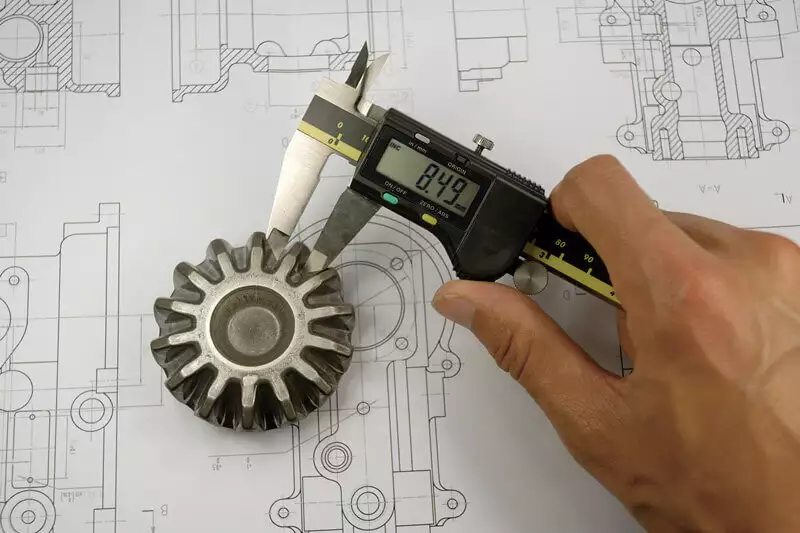
Our company specializes in the production and sale of various types of gears, including spur gears, helical gears, bevel gears, worm gears, and more. With our expertise in gear manufacturing, we offer several advantages that set us apart from the competition:
1. High-Quality Materials
We only use premium materials in our gear production, ensuring durability and reliability. By selecting the right materials, we guarantee that our gears can withstand heavy loads and operate smoothly.
2. Advanced Manufacturing Technology
Equipped with state-of-the-art machinery and advanced manufacturing techniques, we are able to produce gears with precision and accuracy. Our commitment to using the latest technology ensures that our gears meet the highest industry standards.
3. Customization Options
We understand that each application may have unique requirements. That’s why we offer customization options for our gears. Whether it’s a specific size, material, or design, we can tailor our gears to meet your exact specifications.
4. Rigorous Quality Control
Quality is of utmost importance to us. We have implemented a stringent quality control process to ensure that every gear leaving our facility is of the highest quality. Our dedicated team conducts thorough inspections at every stage of production to guarantee flawless gears.
5. Competitive Pricing
Despite our commitment to superior quality, we offer competitive pricing for our gears. We believe that high-quality products should be accessible to all, and we strive to provide cost-effective solutions without compromising on performance.
The Birth of a Gear: Step-by-Step Process
Creating a gear involves several steps and processes. Here is a breakdown of the journey a gear takes from conception to completion:
1. Design and Engineering
Our skilled team of designers and engineers work closely to create precise gear designs. They consider factors such as gear ratio, tooth profile, and load capacity to ensure optimal performance.
2. Material Selection
Choosing the right material is crucial for the gear’s performance and longevity. Our experts carefully select materials based on the specific application, considering factors like strength, wear resistance, and compatibility.
3. Cutting and Shaping
The selected material is then cut and shaped using specialized machinery. This process involves precision cutting and forming techniques to create the desired gear profile and tooth geometry.
4. Heat Treatment
Heat treatment is applied to enhance the strength and hardness of the gear. This process involves controlled heating and cooling to achieve the desired mechanical properties, improving the gear’s performance under heavy loads.
5. Finishing and Inspection
After heat treatment, the gear undergoes finishing processes such as grinding, honing, and deburring to achieve the required surface finish. Thorough inspections are conducted to ensure dimensional accuracy and quality before the gear is ready for use.
Partner with us today and experience the excellence in gear manufacturing. Our commitment to quality, advanced technology, and customization options make us the ideal choice for all your gear needs.
Author: Miya