Laser Scanning Inspection
Introduction
Laser Scanning Inspection is a cutting-edge technology that revolutionizes the inspection process in various industries. By utilizing lasers and advanced imaging techniques, this method allows for precise and efficient inspection of objects, surfaces, and structures.
1. The Principle of Laser Scanning Inspection
One of the fundamental principles behind Laser Scanning Inspection is the use of laser beams to capture detailed information about the object being inspected. The laser scanner emits a laser beam that interacts with the surface of the object, measuring various parameters such as distance, shape, and texture.
1.1 Laser Beam Emission
The laser beam emitted by the scanner is carefully controlled to ensure accuracy and reliability. It is directed towards the object and scans the surface point by point, capturing data at a high resolution.
1.2 Reflection and Detection
As the laser beam interacts with the object’s surface, it gets reflected back to the scanner. The scanner’s sensors detect the reflected beam and analyze the information it carries, including the distance between the scanner and the object’s surface.
2. Applications of Laser Scanning Inspection
Laser Scanning Inspection finds applications in a wide range of industries, including manufacturing, construction, and aerospace. Its versatility and accuracy make it an invaluable tool for various inspection tasks.
2.1 Quality Control in Manufacturing
In manufacturing processes, Laser Scanning Inspection is used to ensure the quality and precision of products. By scanning components and comparing them to the desired specifications, manufacturers can identify any deviations or defects, allowing for timely adjustments and improvements.
2.2 Structural Integrity Assessment
In the field of construction and civil engineering, Laser Scanning Inspection plays a crucial role in assessing the structural integrity of buildings, bridges, and other infrastructure. By scanning the surfaces and detecting any anomalies or deformations, engineers can identify potential weaknesses and take preventive measures.
3. Advantages of Laser Scanning Inspection
Laser Scanning Inspection offers several advantages over traditional inspection methods, making it a preferred choice for many industries.
3.1 Accuracy and Precision
With its high-resolution scanning capabilities, Laser Scanning Inspection provides exceptional accuracy and precision in capturing detailed data about the object being inspected. This allows for a thorough analysis and ensures reliable results.
3.2 Time and Cost Efficiency
Compared to manual inspection methods, Laser Scanning Inspection significantly reduces the time and cost involved. The automated scanning process enables faster data collection, and the comprehensive analysis eliminates the need for extensive manual measurements.
Conclusion
Laser Scanning Inspection is a game-changer in the field of inspection. Its ability to capture detailed data, versatility in applications, and numerous advantages make it an indispensable tool for industries seeking precise and efficient inspection solutions.
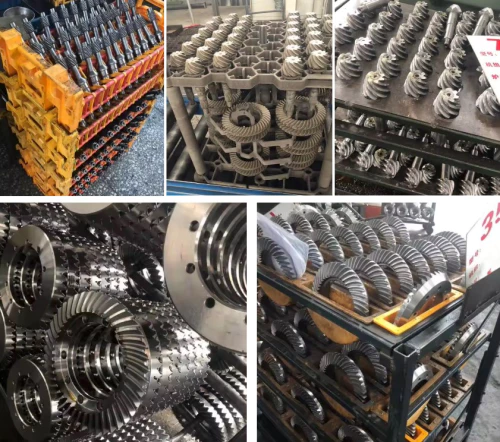
Our Company: Producing and Selling Various Types of Gear
Our company specializes in the production and sale of various types of gear, including spur gears, helical gears, bevel gears, worm gears, and more. We take pride in offering a wide range of gear options to meet the diverse needs of our customers. Below are five key advantages our company brings to the table:
1. High-Quality Manufacturing
At our company, we prioritize the use of top-quality materials and advanced manufacturing techniques to ensure the production of gears that meet and exceed industry standards. Our commitment to quality results in durable and reliable gear products.
2. Customization Options
We understand that every project may have unique requirements. That’s why we offer customization options to tailor our gear products to the specific needs of our customers. Our team of experts works closely with clients to provide personalized solutions that deliver optimal performance.
3. Competitive Pricing
While maintaining high standards of quality, we also strive to offer competitive pricing for our gear products. Our efficient manufacturing processes and strong supplier relationships enable us to provide cost-effective solutions without compromising on quality.
4. Timely Delivery
We value our customers’ time and understand the importance of meeting project deadlines. With our streamlined production and efficient logistics, we ensure timely delivery of gear products to our clients. We work closely with reliable shipping partners to guarantee prompt and reliable transportation.
5. Exceptional Customer Service
Customer satisfaction is at the core of our business philosophy. Our dedicated customer service team is always ready to assist and address any inquiries or concerns. We strive to build long-lasting relationships with our customers based on trust, reliability, and exceptional service.
The Birth of a Gear: Steps, Processes, and Techniques
Creating a gear involves a series of steps, processes, and techniques. Below, we outline the key stages in the birth of a gear:
1. Design and Engineering
The process begins with thorough design and engineering, where our team collaborates with clients to understand their specific requirements. We utilize advanced software and tools to create precise gear designs that optimize performance and durability.
2. Material Selection
Choosing the right material is crucial for gear performance. We carefully select high-quality materials, considering factors such as strength, wear resistance, and heat tolerance. Our extensive material knowledge ensures the gears are built to withstand demanding applications.
3. Cutting and Shaping
Once the design and material are finalized, cutting and shaping processes come into play. We employ state-of-the-art machinery and cutting-edge techniques to accurately cut and shape the gear teeth. This step is crucial in achieving the desired gear specifications.
4. Heat Treatment
Heat treatment is employed to enhance the mechanical properties of the gears. Through carefully controlled heating and cooling processes, we achieve improved hardness, toughness, and resistance to wear and fatigue. This step ensures the longevity and reliability of our gear products.
5. Quality Inspection
Before the gears are dispatched, they undergo rigorous quality inspection. We utilize advanced laser scanning inspection techniques to check for dimensional accuracy and ensure that the gears meet the required specifications. Our commitment to quality control guarantees the delivery of flawless gear products.
Partner with Us for Superior Gear Solutions
When it comes to gear manufacturing, our company stands out as a reliable partner offering high-quality products, customization options, competitive pricing, timely delivery, and exceptional customer service. We have the expertise, resources, and commitment to deliver gear solutions that meet and exceed your expectations. Contact us today to discuss your gear requirements and embark on a successful partnership!
Author: Miya