Laser Cladding
Introduction
Laser cladding is an advanced manufacturing process that involves the deposition of a metallic material onto the surface of a substrate using a laser beam. This technique offers numerous benefits, including enhanced surface properties, improved wear resistance, and increased component lifespan.
Understanding Laser Cladding
1. Laser Cladding Process
In the laser cladding process, a high-energy laser beam is directed onto the surface of the substrate, creating a molten pool. The metallic powder or wire feedstock is then injected into the pool, where it melts and metallurgically bonds with the substrate, forming a solidified layer.
2. Advantages of Laser Cladding
– Enhanced Surface Properties: Laser cladding allows for the deposition of various materials, such as corrosion-resistant alloys or wear-resistant coatings, to enhance the surface properties of the substrate.
– Improved Wear Resistance: By applying a wear-resistant coating through laser cladding, the substrate’s resistance to abrasion, erosion, and friction can be significantly improved.
– Increased Component Lifespan: Laser cladding can extend the lifespan of components by providing a protective layer against harsh operating conditions.
Applications of Laser Cladding
1. Aerospace Industry
– Turbine Blades: Laser cladding is used to repair and restore worn or damaged turbine blades, enabling them to withstand high temperatures and extreme mechanical stress.
– Landing Gears: Laser cladding helps enhance the wear resistance of landing gears, ensuring their longevity and reliability.
2. Oil and Gas Industry
– Drill Bits: Laser cladding is employed to reinforce the cutting edges of drill bits, increasing their durability and overall performance.
– Pipelines: Laser cladding can be applied to pipelines to improve their corrosion resistance and prevent leaks.
3. Automotive Industry
– Engine Components: Laser cladding is used to enhance the wear resistance of engine components, such as cylinder liners and pistons.
– Exhaust Systems: Laser cladding helps improve the corrosion resistance of exhaust systems, prolonging their lifespan.
Conclusion
Laser cladding is a versatile manufacturing process that offers numerous advantages in terms of surface enhancement, wear resistance, and component lifespan. Its applications in industries such as aerospace, oil and gas, and automotive highlight its significance in improving the performance and durability of critical components.
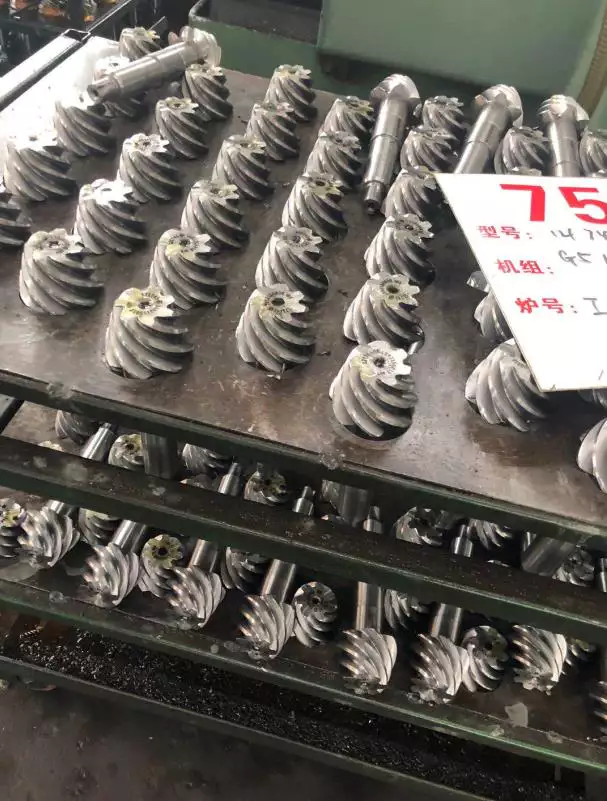
Our company specializes in the production and sale of various types of gears, including spur gears, helical gears, bevel gears, worm gears, and more. With a strong focus on quality and innovation, we have established ourselves as leaders in the gear manufacturing industry. Here are five key advantages of choosing our company:
1. Superior Quality
At our company, we prioritize quality in every aspect of our gear production. We use advanced technologies and precision machining techniques to ensure that our gears meet the highest industry standards. Our dedication to quality guarantees that our gears are reliable, durable, and perform exceptionally well.
2. Extensive Expertise
With years of experience in the field, our team of experts possesses extensive knowledge and expertise in gear manufacturing. We understand the unique requirements of different industries and can provide tailored solutions to meet specific needs. Our in-depth understanding of gear design, materials, and manufacturing processes allows us to produce gears of exceptional quality.
3. Customization Options
Every industry has its own unique needs when it comes to gears. We recognize this and offer a wide range of customization options. From gear size and material selection to tooth profile and surface finish, we work closely with our clients to create gears that precisely match their requirements. Our flexibility in customization sets us apart from the competition.
4. Timely Delivery
We understand the importance of timely delivery in today’s fast-paced business environment. Our streamlined production processes and efficient supply chain management ensure that we deliver gears to our clients on schedule. We prioritize punctuality without compromising on quality, thereby providing our customers with a seamless experience.
5. Excellent Customer Service
Customer satisfaction is at the heart of our business. We strive to provide excellent customer service throughout the entire gear manufacturing process. Our dedicated team is readily available to address any queries, offer professional guidance, and provide ongoing support. We value long-term relationships with our clients and are committed to exceeding their expectations.
The Gear Production Process:
Creating a gear involves several essential steps and processes:
1. Design and Engineering
The first step in gear production is designing and engineering the gear. This involves determining the gear specifications, such as tooth size, pitch, and material selection. Advanced software and CAD/CAM tools are used to create precise gear designs.
2. Material Selection
The choice of material for the gear depends on factors such as load capacity, durability, and operating conditions. Common materials used for gears include steel, cast iron, bronze, and various alloys. The material selection is crucial to ensure the gear’s performance and longevity.
3. Machining and Shaping
Once the design and material selection are finalized, the gear goes through the machining and shaping process. This involves cutting, milling, and shaping the gear teeth to precise dimensions. Advanced CNC machines and gear hobbing techniques are utilized to achieve high accuracy.
4. Heat Treatment
To enhance the gear’s strength and durability, heat treatment is often applied. This process involves heating the gear to a specific temperature and then cooling it rapidly. Heat treatment improves the gear’s hardness, toughness, and resistance to wear and fatigue.
5. Inspection and Quality Control
Before the gear is ready for use, it undergoes rigorous inspection and quality control measures. Various tests, such as dimensional checks, hardness testing, and surface finish evaluation, are conducted to ensure that the gear meets the required specifications. Only gears that pass the quality control process are approved for delivery.
Partner with us today and experience the expertise and excellence that sets our gear manufacturing apart. Contact us now to discuss your specific gear requirements and let us provide you with the perfect gear solutions.
Author: Miya