Infrared Thermography
Introduction
Infrared thermography is a non-contact technique used to capture and analyze thermal energy emitted by an object. By detecting and measuring this radiation, infrared thermography enables the visualization and interpretation of temperature variations in a given area. This powerful technology has found applications in various industries, from building inspections to electrical maintenance and even medical diagnostics.
Understanding Infrared Thermography
Infrared thermography relies on the principle that all objects with a temperature above absolute zero emit infrared radiation. By using a thermographic camera, which is capable of detecting and converting this radiation into a visual image, we can observe and analyze the temperature distribution of an object or surface.
1. Thermographic Camera
A thermographic camera, also known as an infrared camera, is the primary tool used in infrared thermography. It consists of a lens, an infrared detector, and image-processing software. The lens focuses the infrared radiation onto the detector, which converts it into an electrical signal. The software then processes this signal to create a thermal image.
2. Temperature Measurement
One of the key advantages of infrared thermography is its ability to measure temperature remotely. Instead of physically contacting the object, the camera captures the emitted radiation and assigns temperature values to the corresponding pixels in the thermal image. This non-contact feature makes it ideal for inspecting objects that are difficult or dangerous to access.
3. Heat Transfer Mechanisms
To fully understand infrared thermography, it is essential to grasp the principles of heat transfer. There are three main mechanisms: conduction, convection, and radiation. Infrared thermography focuses on radiation, as it deals with the thermal energy emitted by an object. By visualizing and analyzing this energy, we can identify anomalies, such as hotspots or areas of heat loss.
Applications of Infrared Thermography
Infrared thermography has a wide range of applications across various industries due to its versatility and accuracy. Here are some notable applications:
1. Building Inspections
Infrared thermography is extensively used for building inspections to identify structural defects, insulation problems, and energy inefficiencies. It can detect hidden moisture, air leaks, and faulty electrical systems, enabling early detection of potential issues and preventing costly repairs.
2. Electrical Maintenance
Infrared thermography plays a crucial role in electrical maintenance by identifying faulty connections, overloaded circuits, and other electrical problems. It helps prevent electrical failures, reduce downtime, and ensure the safety of personnel working with electrical equipment.
3. Mechanical Analysis
By analyzing the thermal patterns of mechanical components, infrared thermography can detect abnormalities, such as worn-out bearings, misalignments, and excessive friction. This allows for proactive maintenance, preventing unexpected breakdowns and optimizing machine performance.
The Future of Infrared Thermography
As technology continues to advance, the applications of infrared thermography are expanding. The integration of artificial intelligence and machine learning algorithms enables automated analysis and faster identification of anomalies. Additionally, the development of portable and affordable infrared cameras makes this technology more accessible to a wider range of industries.
With its ability to provide valuable insights into temperature variations, infrared thermography is poised to become an indispensable tool in numerous fields, from predictive maintenance and quality control to medical imaging and environmental monitoring.
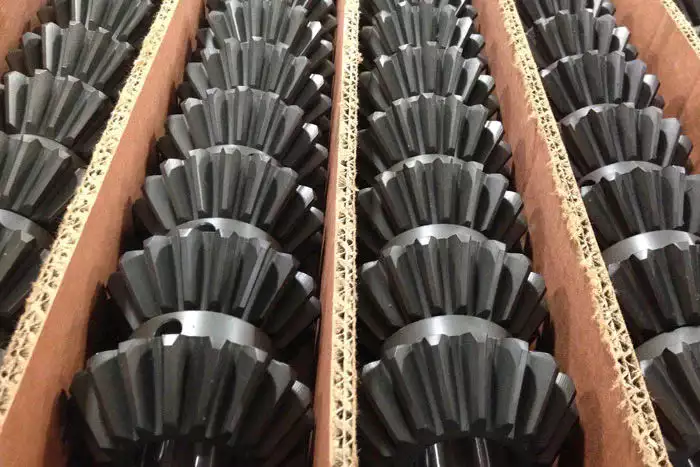
Our company specializes in producing and selling various types of gear, including spur gears, helical gears, bevel gears, worm gears, and more. We take pride in our expertise and offer several advantages that set us apart from the competition:
Quality Assurance
At our company, we prioritize quality in every aspect of our gear production. From carefully selecting the finest materials to employing stringent quality control measures, we ensure that our gears meet the highest standards. This commitment to quality guarantees superior performance and durability for our customers.
Advanced Technology
We leverage cutting-edge technology and state-of-the-art equipment to manufacture our gears. Our production facility is equipped with the latest machinery, enabling us to achieve precision and efficiency in every step of the manufacturing process. By staying at the forefront of technological advancements, we can deliver gears that meet the evolving needs of our clients.
Customization Options
Understanding that different applications require specific gear specifications, we offer a wide range of customization options. Whether it’s modifying gear dimensions, tooth profiles, or materials, our team of skilled engineers can tailor gears to suit the unique requirements of our customers. This flexibility ensures that our gears seamlessly integrate into various machinery and deliver optimal performance.
Competitive Pricing
Despite our unwavering commitment to quality and advanced technology, we strive to offer competitive pricing. By optimizing our production processes and maintaining efficient operations, we can provide cost-effective gear solutions without compromising on quality. Our aim is to deliver exceptional value to our customers while meeting their budgetary considerations.
Excellent Customer Support
Building strong, long-lasting relationships with our customers is a priority for us. We take pride in offering excellent customer support at every stage, from pre-sales consultations to after-sales service. Our knowledgeable team is always available to provide technical expertise, address queries, and assist customers in making informed gear choices.
The Birth of a Gear
Creating a high-quality gear involves a meticulous process that encompasses several steps and techniques. Here’s a breakdown of the typical journey a gear undergoes:
Design and Engineering
Our experienced engineers work closely with clients to understand their specific gear requirements. They use advanced software and design techniques to develop precise gear designs that meet the desired performance criteria.
Material Selection
After finalizing the design, we carefully select the appropriate materials based on factors such as load capacity, operating conditions, and durability requirements. We only source materials from trusted suppliers to ensure the highest quality.
Machining and Shaping
Using state-of-the-art CNC machines, our skilled technicians perform precise machining and shaping processes to transform the chosen materials into gear components. This stage involves cutting, milling, and shaping the gear teeth to exact specifications.
Heat Treatment
To enhance the hardness and strength of the gear, we subject it to a specialized heat treatment process. This process alters the structure of the material, making it more resilient and capable of withstanding heavy loads and wear.
Finishing and Quality Control
Once the gear components are machined and heat-treated, we meticulously inspect and measure them to ensure they meet our stringent quality standards. Any necessary finishing touches, such as deburring or surface treatment, are applied to guarantee a flawless end product.
Assembly and Testing
Finally, our skilled technicians assemble the gear components, carefully aligning them to ensure smooth operation. The assembled gear then undergoes rigorous testing to evaluate its performance, noise levels, and overall reliability.
Partnering with us means gaining access to top-quality gears backed by our expertise, advanced manufacturing processes, and commitment to customer satisfaction. Contact us today to discover how our gear solutions can elevate your machinery performance.
Author: Miya