Gearbox Sealing
Introduction
Gearbox sealing is a critical aspect of mechanical systems, ensuring the safe and efficient operation of gears. In this article, we will explore the various aspects of gearbox sealing and its importance in machinery.
Types of Gearbox Sealing
1. Gasket Seals
2. O-Ring Seals
3. Lip Seals
4. Mechanical Face Seals
5. Labyrinth Seals
Gasket Seals
Gasket seals are commonly used in gearbox applications due to their excellent sealing properties. They are made from materials such as rubber or cork and are placed between two mating surfaces to prevent leakage.
O-Ring Seals
O-ring seals are a popular choice for gearbox sealing due to their simplicity and effectiveness. They are circular in shape and made from elastomers, providing reliable sealing by creating a tight seal between the mating surfaces.
Lip Seals
Lip seals, also known as oil seals, are specifically designed to prevent the leakage of lubricants in gearbox applications. They consist of a flexible lip that comes into contact with the rotating shaft, creating a barrier against oil leakage.
Mechanical Face Seals
Mechanical face seals, also called floating seals, are commonly used in heavy-duty gearbox applications. They consist of two metal rings that are pressed together to form a tight seal, preventing the ingress of contaminants and lubricant leakage.
Labyrinth Seals
Labyrinth seals are complex sealing devices that utilize a series of barriers to prevent the passage of liquids or gases. They are often used in high-speed gearboxes where a high degree of sealing is required to ensure optimal performance and reliability.
Advantages of Proper Gearbox Sealing
1. Minimizes lubricant leakage, ensuring efficient gearbox operation.
2. Prevents the ingress of contaminants, reducing wear and extending the lifespan of gears.
3. Enhances overall system reliability by maintaining optimal lubrication levels.
4. Reduces maintenance costs by minimizing the need for frequent repairs and replacements.
5. Improves energy efficiency by reducing friction and heat generation.
Conclusion
Gearbox sealing is a critical aspect of mechanical systems, ensuring the safe and efficient operation of gears. By choosing the appropriate sealing method and maintaining proper sealing, machinery can perform optimally, leading to enhanced reliability and reduced maintenance costs. It is essential to understand the different types of gearbox sealing and their advantages to select the most suitable option for specific applications.
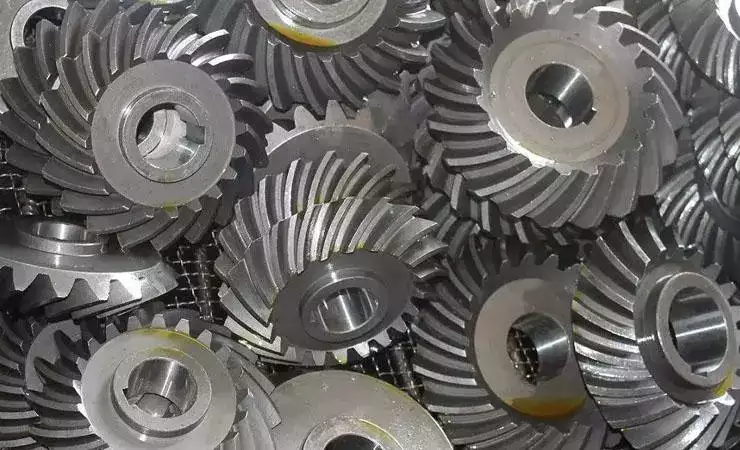
Our company specializes in manufacturing and selling various types of gears, including spur gears, helical gears, bevel gears, worm gears, and more. With our expertise and experience in the industry, we take pride in offering several advantages that set us apart from the competition:
Advantages of Our Company:
- High-Quality Materials: We use only the finest quality materials for our gears, ensuring durability and longevity.
- Precision Engineering: Our gears are meticulously engineered to meet strict industry standards, resulting in optimal performance.
- Customization Options: We offer a wide range of customization options to meet specific requirements, providing tailored solutions for our customers.
- Competitive Pricing: Despite our high-quality products, we strive to maintain competitive pricing to offer excellent value for our customers.
- Quick Turnaround Time: We understand the importance of timely delivery, and our efficient processes allow us to provide fast turnaround times.
- Exceptional Customer Service: Our dedicated team is committed to providing exceptional customer service, ensuring a smooth and hassle-free experience for our clients.
Steps and Process in the Birth of a Gear:
- Design: The process starts with careful design and analysis, taking into consideration the gear’s intended application and specifications.
- Material Selection: Choosing the appropriate material is crucial for the gear’s performance and durability.
- Machining: Through precision machining, the gear’s shape and dimensions are shaped with utmost accuracy.
- Heat Treatment: Heat treatment is applied to enhance the gear’s hardness, strength, and resistance to wear.
- Finishing: The gear undergoes various finishing processes, such as grinding and polishing, to ensure smooth operation and minimize friction.
- Quality Control: Each gear undergoes rigorous quality control measures to ensure it meets the highest standards of performance and reliability.
With our expertise in gear manufacturing and commitment to excellence, we invite you to partner with us for all your gear needs. Our team is ready to collaborate and provide you with top-notch gear solutions tailored to your requirements.
Author: Miya