Gear Wear Rate
Gear wear rate is a crucial factor to consider in the maintenance and performance evaluation of mechanical systems. Understanding the wear rate of gears helps engineers determine the lifespan, efficiency, and reliability of gear mechanisms. In this blog post, we will delve into the concept of gear wear rate and explore its implications in various industries.
The Basics of Gear Wear Rate
1. Surface wear
Surface wear refers to the gradual loss of material from the gear’s surface due to contact and friction. It is influenced by factors such as load, speed, lubrication, and material properties.
2. Types of wear
There are several types of wear that gears can experience, including adhesive wear, abrasive wear, and fatigue wear. Each type has its own unique characteristics and causes.
3. Measurement techniques
To accurately assess gear wear rate, engineers utilize different measurement techniques such as dimensional analysis, profilometry, and optical microscopy. These techniques provide valuable insights into the gear’s condition and wear pattern.
The Impacts of Gear Wear Rate in Industry
1. Gear system efficiency
High gear wear rate often results in reduced system efficiency due to increased friction and energy losses. This can lead to decreased output power and overall performance degradation.
2. Maintenance planning
Understanding the wear rate enables engineers to develop effective maintenance plans, including timely gear replacement or reconditioning. This ensures optimal system performance and minimizes downtime.
3. Gear design optimization
By studying the wear rate, engineers can optimize gear design and material selection to enhance durability and reduce wear. This leads to longer gear lifespan and improved system reliability.
Advanced Techniques for Gear Wear Rate Analysis
1. Wear particle analysis
Examining wear particles generated during gear operation can provide valuable information about the wear mechanisms and help diagnose potential issues.
2. Numerical modeling
Utilizing computer simulations and finite element analysis, engineers can predict gear wear rate under different operating conditions. This allows for proactive maintenance and performance optimization.
3. Surface treatment methods
Various surface treatment techniques, such as case hardening and coatings, can be applied to gears to improve wear resistance and extend their service life.
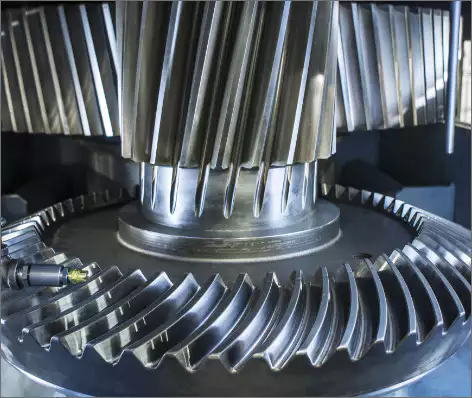
Image: Palloid Spiral Bevel Gear
Conclusion
Gear wear rate is a critical parameter in evaluating the performance and durability of gear systems. By comprehending the factors influencing wear, employing advanced analysis techniques, and implementing appropriate maintenance strategies, engineers can ensure the longevity and efficiency of gears in various industrial applications.
Our company specializes in the production and sales of various types of gears, including spur gears, helical gears, bevel gears, worm gears, and more. We take pride in offering exceptional gear solutions to our customers, and here are six key advantages that set our company apart:
1. High-Quality Manufacturing
We are committed to delivering gears of the highest quality. Our manufacturing processes adhere to strict quality standards, ensuring that every gear we produce meets or exceeds industry requirements.
2. Extensive Product Range
With a wide range of gear types available, we can cater to diverse needs and applications. Whether it’s for automotive, industrial, or any other sector, we have the right gear solution to meet our customers’ requirements.
3. Customization Options
We understand that each customer may have unique specifications and preferences. That’s why we offer customization options, allowing our customers to tailor the gears to their specific needs. From material selection to tooth profile modifications, we can accommodate a variety of customization requests.
4. Competitive Pricing
While maintaining superior quality, we strive to offer competitive pricing for all our gear products. Our efficient manufacturing processes and strategic sourcing enable us to provide cost-effective solutions without compromising on quality.
5. Timely Delivery
We value our customers’ time and aim to deliver orders on schedule. Our well-organized production and supply chain management ensure that gears are manufactured and dispatched promptly, minimizing any potential delays.
6. Exceptional Customer Service
Customer satisfaction is our top priority. We have a dedicated team of experts who provide excellent customer service, assisting customers throughout the entire process – from inquiries to after-sales support. We are committed to building long-lasting relationships and ensuring customer success.
The Gear Manufacturing Process
Creating a gear involves a meticulous process that requires precision and expertise. Here is an overview of the steps and techniques involved:
1. Design and Engineering
Every gear starts with a comprehensive design and engineering phase. This involves analyzing the application requirements, calculating gear ratios, and determining the optimal tooth profile and dimensions.
2. Material Selection
Choosing the right material is crucial for gear performance and durability. Factors such as load capacity, wear resistance, and operating conditions are considered when selecting the appropriate material – ranging from various types of steel to specialty alloys.
3. Machining and Shaping
The selected material is then machined or shaped to create the gear’s initial form. This step involves processes such as hobbing, shaping, milling, or grinding, depending on the gear type and complexity.
4. Heat Treatment
To enhance the gear’s strength and hardness, heat treatment techniques like carburizing, quenching, and tempering are applied. This process optimizes the gear’s mechanical properties, ensuring it can withstand the intended load and operating conditions.
5. Finishing Operations
After heat treatment, the gears undergo several finishing operations. These include gear grinding, honing, deburring, and surface treatment – all aimed at achieving the desired tooth profile, smoothness, and surface finish.
6. Quality Control and Inspection
Before the gears are ready for use, they undergo rigorous quality control and inspection processes. This ensures that each gear meets the required specifications, tolerances, and performance standards, guaranteeing reliability and longevity.
Are you looking for a reliable partner for your gear needs? We invite you to collaborate with us and experience the exceptional quality, customization options, and outstanding customer service that our company offers.
Author: Miya