Gear Slippage
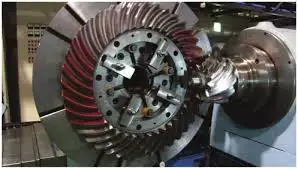
1. Introduction
Gear slippage is a phenomenon that occurs when the teeth of a gear fail to engage properly, resulting in a loss of power transmission and potential damage to the equipment. In this article, we will explore the various causes and consequences of gear slippage.
2. Insufficient Lubrication
One of the main causes of gear slippage is insufficient lubrication. When gears are not adequately lubricated, friction increases, leading to overheating and wear on the gear teeth. This can cause the teeth to slip and fail to transmit power effectively.
3. Misalignment
Gear misalignment is another common cause of gear slippage. When gears are not properly aligned, the teeth may not mesh correctly, resulting in uneven distribution of load and increased stress on certain parts of the gear. This can lead to slippage and decreased power transmission efficiency.
4. Teeth Wear and Damage
Over time, gear teeth can wear down or become damaged due to factors such as excessive load, improper maintenance, or manufacturing defects. When the teeth are worn or damaged, they may not engage properly, causing slippage and reduced power transmission.
5. Overloading
Applying excessive load to a gear system can also contribute to gear slippage. When the load exceeds the gear’s capacity, the teeth may not be able to withstand the force, resulting in slipping and potential damage. It is crucial to avoid overloading gears to maintain their optimal performance.
6. Inadequate Gear Design
The design of gears plays a significant role in preventing slippage. Poor gear design, such as insufficient tooth contact or improper gear ratio, can lead to slippage and decreased power transmission efficiency. It is essential to consider the intended application and select appropriate gear designs accordingly.
7. Impact of Gear Slippage
Gear slippage can have severe consequences, including reduced efficiency, increased energy consumption, and potential equipment failure. It can also result in additional maintenance and repair costs. Therefore, it is crucial to address gear slippage promptly to minimize these negative impacts.
8. Preventive Measures
To prevent gear slippage, regular maintenance and inspection are essential. Adequate lubrication, correct alignment, and proper load management are key factors in preventing slippage. Additionally, selecting high-quality gears and ensuring a well-designed gear system can significantly reduce the risk of gear slippage.
9. Conclusion
Gear slippage is a critical issue that can affect the performance and longevity of gear systems. By understanding the causes and consequences of gear slippage, as well as implementing preventive measures, gear failures can be minimized, leading to more efficient and reliable machinery.
Our company specializes in the production and sale of various types of gears, including spur gears, helical gears, bevel gears, and worm gears, among others. Here are six advantages of our company:
- High-quality materials: We use only the finest materials to ensure the durability and reliability of our gears.
- Precision manufacturing: Our gears are manufactured with utmost precision to guarantee smooth operation and minimal gear slippage.
- Extensive product range: We offer a wide range of gear types and sizes to cater to the diverse needs of our customers.
- Customization options: We provide customized gear solutions to meet specific requirements and ensure optimal performance.
- Competitive prices: Despite the high quality of our gears, we offer competitive prices to provide excellent value for our customers.
- Reliable customer support: Our dedicated team is always ready to assist customers with technical queries, orders, and after-sales support.
Now, let’s explore the step-by-step process and techniques involved in the creation of a gear:
-
Design:
The first step is to create a detailed design, considering factors such as gear type, dimensions, and load requirements.
-
Material selection:
The appropriate material is carefully chosen based on factors like strength, durability, and compatibility with the intended application.
-
Machining:
The gear blank is shaped through various machining processes, including milling, turning, and shaping.
-
Heat treatment:
Heat treatment techniques such as quenching and tempering are applied to enhance the mechanical properties of the gear.
-
Finishing:
The gear is subjected to finishing processes like grinding, honing, or lapping to achieve the desired surface finish and dimensional accuracy.
-
Quality control:
Each gear undergoes stringent quality checks to ensure dimensional accuracy, proper tooth profile, and overall performance.
Partner with us today to experience the superior quality and performance of our gears. Contact our team to discuss your specific gear requirements and let us provide you with the perfect gear solution.
Author: Miya