Gear Reliability Analysis
Introduction
Gear reliability analysis is a crucial aspect of ensuring efficient and smooth operation of machinery. By thoroughly examining the performance and reliability of gears, engineers can identify potential issues and develop strategies to prevent failures, optimize performance, and extend gear life. In this article, we will explore the various aspects of gear reliability analysis and delve into its significance in industrial applications.
1. Gear Material Selection
One of the fundamental considerations in gear reliability analysis is the selection of appropriate gear materials. Factors such as load capacity, wear resistance, and fatigue strength must be thoroughly evaluated to ensure the chosen material can withstand the operational demands. Material properties, including hardness, toughness, and microstructure, play a vital role in determining the reliability of gears.
2. Surface Roughness Analysis
The surface roughness of gears significantly impacts their reliability and performance. Through advanced metrology techniques, engineers can accurately measure and analyze the surface roughness parameters such as Ra, Rz, and Rq. This analysis helps to identify any abnormalities or deviations from the desired surface finish, which may lead to increased friction, wear, and noise generation.
3. Lubrication System Evaluation
An efficient lubrication system is essential for reducing gear failures and enhancing reliability. The analysis focuses on evaluating the lubricant properties, such as viscosity, film thickness, and additives. Proper lubrication ensures sufficient film formation between gear teeth, reducing friction and wear, and preventing surface distress and failures.
4. Gear Tooth Profile Inspection
The tooth profile of gears plays a critical role in their reliability and overall performance. Through advanced measurement techniques such as coordinate measuring machines (CMM), engineers can inspect and analyze the tooth profile parameters like tooth thickness, involute profile, and tooth spacing. Any deviations from the desired profile can lead to gear misalignment, increased stress, and premature failures.
5. Vibration Analysis
Vibration analysis is an effective tool for assessing gear health and reliability. By measuring and analyzing gear vibrations, engineers can identify abnormal patterns, such as excessive backlash or misalignment. This analysis helps to pinpoint potential issues, allowing for timely corrective actions and minimizing the risk of gear failures.
6. Gear Load Capacity Calculation
Accurate calculation of the gear load capacity is crucial for ensuring reliable gear operation. Engineers utilize advanced mathematical models, considering factors such as material properties, tooth geometry, and operating conditions, to calculate the maximum load that gears can withstand. This analysis helps to prevent overloading, which can lead to excessive wear, pitting, or tooth breakage.
7. Thermal Analysis
Thermal analysis focuses on understanding the heat distribution and dissipation within gears. By considering factors such as gear geometry, operating speed, and lubrication, engineers can predict the temperature rise and identify potential thermal issues. Effective cooling mechanisms, such as optimized gear design or enhanced lubrication, can be implemented to ensure reliable gear performance.
8. Failure Mode and Effects Analysis (FMEA)
The Failure Mode and Effects Analysis (FMEA) is a systematic approach to identify and prioritize potential gear failure modes and their associated effects. By evaluating factors such as severity, occurrence, and detectability, engineers can develop strategies to mitigate the risks and improve gear reliability. FMEA helps in identifying critical failure modes, allowing for focused preventive measures.
9. Gear Manufacturing Process Optimization
The manufacturing process of gears significantly affects their reliability and performance. By analyzing the manufacturing processes, engineers can identify potential sources of errors, such as machining inaccuracies or heat treatment issues. Optimizing the manufacturing process ensures consistent gear quality, reducing the likelihood of failures and maximizing gear reliability.
10. Gear Noise Analysis
Noise generation is a common issue in gear systems, often indicating potential reliability problems. Through noise analysis techniques such as sound pressure level (SPL) measurement and frequency analysis, engineers can identify the root causes of gear noise. Effective noise reduction strategies, such as tooth profile modifications or improved lubrication, can be implemented to enhance gear reliability.
11. Gear Failure Analysis
In the unfortunate event of gear failure, thorough analysis is crucial for understanding the root cause and preventing future occurrences. Engineers utilize techniques such as fractography, metallurgical analysis, and finite element analysis (FEA) to investigate failed gears. This analysis helps in identifying design flaws, material defects, or operational issues, enabling the implementation of corrective actions.
12. Gear Life Prediction
Gear life prediction involves estimating the expected lifespan of gears under specific operating conditions. Engineers utilize empirical models, considering factors such as load, speed, and lubrication, to predict gear life. This analysis assists in determining maintenance schedules, replacement intervals, and optimizing gear design to ensure reliable operation throughout the intended service life.
13. Gear Reliability Testing
Reliability testing involves subjecting gears to various simulated conditions to assess their performance and durability. Fatigue testing, load testing, and accelerated life testing are some of the techniques employed to evaluate gear reliability. The results obtained from these tests help engineers validate design choices, identify weaknesses, and enhance the overall reliability of gear systems.
14. Gear Maintenance Strategies
Effective gear maintenance strategies play a vital role in ensuring long-term reliability. Through condition monitoring techniques such as vibration analysis, oil analysis, and thermography, engineers can assess gear health and detect potential issues at an early stage. This proactive approach allows for timely maintenance, minimizing the risk of gear failures and optimizing overall equipment reliability.
15. Gear Reliability Improvement Case Studies
Examining real-world case studies of gear reliability improvement provides valuable insights into practical applications. This section highlights successful gear reliability enhancement projects, discussing the challenges faced, strategies implemented, and the resulting improvements. By understanding these case studies, engineers can gain knowledge and inspiration to enhance gear reliability in their specific applications.
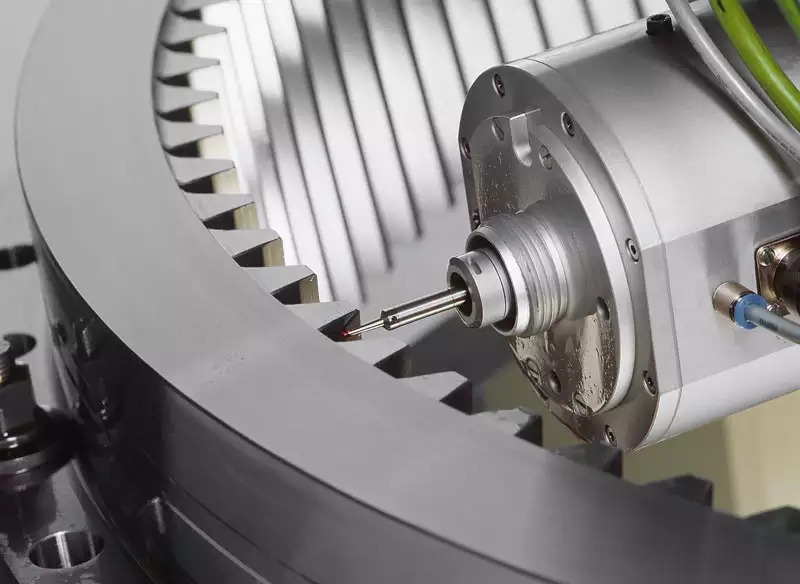
Our company specializes in the production and sale of various types of gears, including spur gears, helical gears, bevel gears, worm gears, and more. We take pride in our exceptional gear reliability analysis, ensuring that our customers receive high-quality and dependable products. Here are six key advantages of choosing our company:
1. Expertise
With years of experience in the industry, our team of experts possesses extensive knowledge and skills in gear manufacturing and analysis. We have a deep understanding of gear reliability and are committed to delivering top-notch solutions.
2. Cutting-edge technology
Equipped with state-of-the-art machinery and advanced technologies, we employ the latest gear analysis tools to ensure accurate and reliable results. Our commitment to innovation allows us to stay ahead of the competition and provide superior gear products.
3. Quality assurance
We are dedicated to maintaining the highest standards of quality in our gear manufacturing process. Each gear undergoes rigorous testing and inspection to ensure optimal performance and longevity. Our commitment to quality assurance guarantees customer satisfaction.
4. Customization
We understand that different applications require specific gear configurations. With our expertise in gear design and analysis, we offer customized solutions tailored to meet our customers’ unique requirements. Our ability to provide personalized gear options sets us apart from the competition.
5. Timely delivery
We recognize the importance of timely delivery to our customers. Our streamlined production process, efficient logistics, and reliable supply chain management enable us to meet deadlines and ensure prompt gear delivery. You can rely on us for on-time and hassle-free service.
6. Excellent customer support
Our commitment to customer satisfaction goes beyond delivering quality gears. We provide exceptional customer support, promptly addressing any inquiries or concerns. Our friendly and knowledgeable team is always ready to assist you throughout the gear selection and analysis process.
A gear’s journey from conception to production involves several essential steps and processes:
1. Design
The initial step in gear manufacturing is the design phase. This involves determining the gear’s specifications, such as size, tooth profile, and material. Our experienced engineers utilize cutting-edge design software to create precise and efficient gear designs.
2. Material selection
Choosing the right material is crucial for gear reliability. Factors such as load capacity, operating conditions, and durability are considered when selecting the appropriate material. Our team carefully evaluates these factors to ensure optimal gear performance.
3. Manufacturing
Once the design and material selection are finalized, the manufacturing process begins. This involves cutting, shaping, and heat treating the gear components to achieve the desired specifications. Our skilled technicians utilize advanced machinery and techniques to ensure precise and efficient manufacturing.
4. Quality control
Quality control is an integral part of the gear manufacturing process. We conduct thorough inspections and tests at various stages to verify dimensional accuracy, tooth profile, surface finish, and overall performance. This stringent quality control ensures that only the highest-quality gears reach our customers.
5. Assembly
In certain cases, gears might require assembly with other components to form a complete gear system. Our skilled technicians carefully assemble gears, ensuring proper alignment and smooth operation. Each gear system undergoes further testing to guarantee optimal performance.
6. Final inspection and packaging
Before shipment, all gears undergo a final inspection to ensure they meet our quality standards. The gears are carefully packaged to prevent any damage during transportation, ensuring they arrive in pristine condition to our valued customers.
At our company, we value partnerships and believe in fostering long-term relationships with our clients. By choosing us as your gear reliability analysis provider, you can expect superior products, customized solutions, timely delivery, and excellent customer support. Join us today and experience the difference.
Author: Miya