Gear Profile Shift
Gear Profile Shift is a crucial concept in the field of gear design and manufacturing. It refers to the intentional modification of the gear tooth profile to achieve specific performance objectives. In this article, we will explore the various aspects of gear profile shift and its impact on gear functionality.
1. Definition of Gear Profile Shift
Gear profile shift, also known as gear modification, involves altering the shape and position of gear teeth to optimize meshing characteristics. It is achieved by shifting the reference profile inward or outward from the theoretical pitch circle.
2. Types of Gear Profile Shift
There are two primary types of gear profile shift:
- Positive Gear Profile Shift: This refers to shifting the reference profile outward, away from the center of the gear. It increases the tooth thickness and improves gear strength.
- Negative Gear Profile Shift: In this case, the reference profile is shifted inward, towards the center of the gear. It reduces the tooth thickness and allows for smoother meshing.
3. Reasons for Gear Profile Shift
Gear profile shift is employed for various reasons, including:
- Load Distribution: By modifying the gear tooth profile, the load distribution across the gear face width can be optimized, resulting in improved load-carrying capacity.
- Noise and Vibration Reduction: Proper gear profile shift can minimize noise and vibration during gear operation, leading to quieter and smoother gear performance.
- Pressure Angle Control: Gear profile shift allows for better control of the pressure angle, which affects the contact ratio and tooth strength.
4. Gear Profile Shift Calculation
The calculation of gear profile shift involves intricate mathematical formulas and considerations. It takes into account factors such as module, pressure angle, number of teeth, and desired shift amount.
5. Manufacturing Considerations
When implementing gear profile shift in manufacturing, several key aspects must be taken into consideration:
- Hobbing: The hobbing process must be adjusted to accommodate the gear profile shift, ensuring accurate reproduction of the modified tooth profile.
- Tool Wear: Gear profile shift can affect tool wear, necessitating proper tool selection and maintenance.
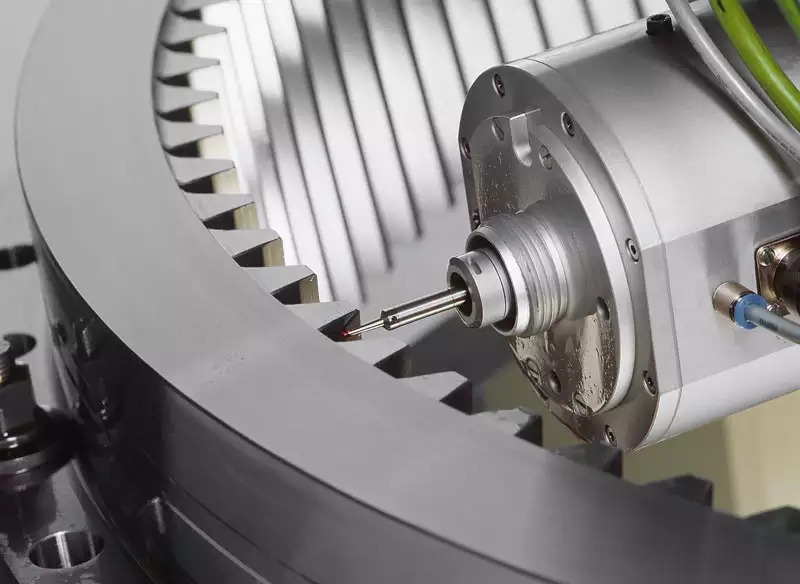
- Inspection: Inspection methods and equipment must be capable of verifying the accuracy and quality of the gear tooth profile after the profile shift is implemented.
6. Applications of Gear Profile Shift
Gear profile shift finds applications in various industries, including:
- Automotive
- Aerospace
- Power transmission
- Industrial machinery
7. Advantages and Disadvantages
Advantages of gear profile shift include improved load distribution, reduced noise and vibration, and enhanced gear performance. However, it is essential to balance the benefits against potential disadvantages such as increased manufacturing complexity and cost.
8. Conclusion
Gear profile shift plays a vital role in optimizing gear performance and functionality. By strategically modifying the gear tooth profile, engineers can achieve desired objectives such as load distribution improvement, noise reduction, and pressure angle control. Understanding the various aspects of gear profile shift is crucial for successful gear design and manufacturing.
Our company specializes in the production and sale of various types of gears, including spur gears, helical gears, bevel gears, worm gears, and more. We take pride in our expertise and offer several advantages over our competitors:
1. High-Quality Materials
Our gears are made from top-grade materials that ensure durability, reliability, and optimal performance. We source our materials from trusted suppliers to maintain consistent quality.
2. Precision Manufacturing
Utilizing advanced technology and machinery, we employ precise manufacturing techniques to create gears with exceptional accuracy and tight tolerances. Our commitment to precision results in gears that deliver smooth operation and minimal noise.
3. Customization Options
We understand that every application requires specific gear specifications. That’s why we offer a wide range of customization options, including gear profile shifts, to meet the unique needs of our customers. Our team of experts can assist in designing gears that perfectly match your requirements.
4. Quick Turnaround
We value our customers’ time and aim to provide prompt service. Our streamlined production process allows us to offer quick turnaround times without compromising on quality. We ensure that your gears are delivered on time, every time.
5. Competitive Pricing
While maintaining superior quality, we offer our gears at competitive prices. By optimizing our production efficiency and minimizing waste, we strive to provide cost-effective solutions without compromising on excellence.
6. Excellent Customer Support
Our dedicated customer support team is always ready to assist you. From initial inquiries to after-sales support, we prioritize clear communication and strive to exceed your expectations. We are committed to building long-lasting relationships with our customers.
The Creation of a Gear: Steps and Processes
Designing and manufacturing a gear involves several crucial steps and processes:
1. Design and Engineering
Our skilled engineers work closely with you to understand your specific requirements and design a gear that meets your needs. They utilize cutting-edge software and tools to create precise gear designs.
2. Material Selection
Based on the gear’s intended use and specifications, our experts carefully select the appropriate materials. Factors such as strength, durability, and compatibility are considered to ensure optimal performance.
3. Machining and Shaping
Using advanced machining techniques, our skilled technicians precisely shape the gear from the chosen material. This involves cutting, grinding, and finishing processes, which are meticulously executed to achieve the desired gear profile.
4. Heat Treatment
To enhance the gear’s strength and durability, it undergoes a heat treatment process. This step involves carefully controlled heating and cooling processes to achieve the desired hardness and toughness of the gear.
5. Quality Assurance
Before the gear is ready for use, it undergoes rigorous quality checks. Our quality control team ensures that each gear meets the required specifications and passes various tests to guarantee its performance and reliability.
Partner with Us
Are you in search of high-quality gears that are customized to your specific requirements? Look no further. With our extensive range of gear options, precision manufacturing processes, and exceptional customer support, we are the ideal partner for all your gear needs.
Experience the excellence of our gears and the commitment of our team. Contact us today to discuss your gear requirements and let us provide you with the perfect solution.
Author: Miya