Gear profile correction
Introduction
Gear profile correction is a vital process in the field of gear manufacturing. It involves making adjustments to the gear teeth profiles to ensure optimal performance and minimize errors. This article will delve into the various aspects of gear profile correction and its significance in gear technology.
1. Understanding Gear Profile
Gears are mechanical devices with toothed wheels that transmit power and motion. The gear profile refers to the shape and dimensions of the gear teeth, including their involute curves and tooth spacing. It plays a crucial role in the smooth operation and efficiency of gear systems.
2. Importance of Gear Profile Correction
Gear profile correction is necessary to achieve precise gear operation and minimize undesirable effects such as noise, vibration, and wear. By adjusting the gear tooth profiles, engineers can optimize gear meshing, reduce backlash, and improve overall gear performance.
3. Gear Profile Measurement
Accurate measurement of gear profiles is essential for effective gear profile correction. Advanced metrology techniques, such as coordinate measuring machines (CMMs) and gear analyzers, are employed to obtain precise gear tooth data. These measurements serve as a basis for analyzing and correcting gear profiles.
4. Types of Gear Profile Corrections
There are several methods of gear profile correction, depending on the specific requirements and gear types. Some common types include:
- Lead profile correction
- Tip relief modification
- Profile crowning
- Base circle modification
- Involute modification
5. Lead Profile Correction
Lead profile correction involves modifying the gear tooth profile along the lead angle to ensure proper alignment and smooth engagement. This correction technique helps in reducing noise and enhancing load distribution in gear systems.
6. Tip Relief Modification
Tip relief modification refers to adjusting the tooth profile near the gear tip to avoid interference and minimize stress concentration. It is commonly used in helical gears to reduce edge contact and improve gear meshing characteristics.
7. Profile Crowning
Profile crowning is a technique used to modify the gear tooth profile’s center curvature. By introducing a slight curvature deviation, gear contact is concentrated on the ideal portion of the tooth profile, resulting in improved load distribution and reduced sensitivity to misalignments.
8. Base Circle Modification
Base circle modification involves altering the base circle diameter of the gear tooth profile. This correction technique helps in achieving better gear meshing and load-carrying capacity, especially in gears with high tooth counts.
9. Involute Modification
Involute modification focuses on adjusting the involute curve of the gear tooth profile. By carefully modifying the shape, errors such as undercutting, interference, and backlash can be minimized, leading to smoother gear operation and increased transmission accuracy.
10. Gear Profile Correction Process
The gear profile correction process typically involves the following steps:
- Gear profile measurement and analysis
- Determination of required corrections
- Calculation of correction parameters
- Application of corrections using specialized machinery
- Verification and validation of corrected gear profiles
- Final testing and quality control
11. Advanced Gear Profile Correction Techniques
In addition to the conventional correction methods mentioned above, advanced techniques such as 3D printing and laser machining are being explored for gear profile correction. These cutting-edge technologies offer greater precision and flexibility in achieving optimal gear performance.
12. Benefits of Gear Profile Correction
The benefits of gear profile correction include:
- Improved gear accuracy and efficiency
- Reduced noise and vibration
- Enhanced gear system durability
- Minimized power losses
- Higher load-carrying capacity
13. Gear Profile Correction Challenges
Gear profile correction is a complex process that presents various challenges, such as:
- Precision measurement and analysis
- Accurate calculation of correction parameters
- Applying corrections without inducing additional errors
- Ensuring consistent quality control
14. Future Trends in Gear Profile Correction
The future of gear profile correction is expected to witness advancements in automation, artificial intelligence, and digitalization. These technologies will further streamline the correction process, improve efficiency, and enable real-time monitoring of gear performance.
Conclusion
Gear profile correction plays a vital role in ensuring optimal gear performance and longevity. By understanding the various correction techniques and their significance, manufacturers can produce gears with superior quality, efficiency, and reliability. Continuous research and innovation in gear profile correction are crucial for advancing gear technology and meeting the evolving needs of industries worldwide.
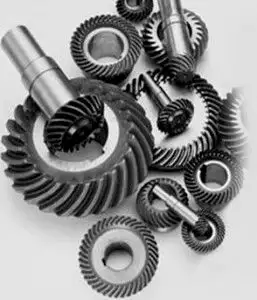
At our company, we specialize in producing and selling various types of gears, including spur gears, helical gears, bevel gears, worm gears, and more. We take pride in our expertise and offer several advantages that set us apart from our competitors:
Advantages of Choosing Our Gear Products
- High-Quality Materials: We only use premium materials for our gears, ensuring durability and long-lasting performance.
- Precision and Accuracy: Our gears undergo meticulous manufacturing processes to guarantee precise gear profile correction, resulting in smooth and efficient operation.
- Customization Options: We understand that each application may require specific gear configurations. Therefore, we offer a wide range of customization options to meet our customers’ unique needs.
- Competitive Pricing: Despite our superior quality, we strive to offer competitive pricing, providing excellent value for our customers.
- Reliable Customer Support: We are committed to delivering exceptional customer service. Our knowledgeable team is always ready to provide assistance, answer inquiries, and offer technical support.
The Birth of a Gear: The Process and Techniques Involved
Creating a gear involves several steps and techniques to ensure its functionality and reliability. Here is a breakdown of the gear manufacturing process:
1. Design and Engineering
Our skilled engineers analyze the specific requirements of the gear and create a detailed design using state-of-the-art software. This step involves determining gear specifications, tooth profiles, and other critical parameters.
2. Material Selection
Based on the design, the appropriate materials are chosen to achieve the desired strength and performance characteristics. Factors such as load capacity, operating conditions, and environmental factors are considered during material selection.
3. Cutting and Shaping
The selected material is then cut and shaped using specialized machinery, such as CNC gear hobbing or gear shaping machines. This step ensures precise gear profile correction and guarantees the accurate geometry of the gear teeth.
4. Heat Treatment
Heat treatment is applied to enhance the gear’s mechanical properties, such as hardness and strength. This process involves heating the gear to a specific temperature and then cooling it rapidly to achieve the desired metallurgical structure.
5. Finishing and Quality Control
After heat treatment, the gear undergoes finishing operations, such as grinding, honing, or lapping, to achieve the required surface finish and dimensional accuracy. Strict quality control measures are implemented throughout the process to ensure that each gear meets our stringent standards.
Partnering with us means collaborating with a reputable gear manufacturer that excels in providing top-quality products tailored to your specific needs. Whether you require standard gears or custom-made solutions, our expertise and commitment to excellence will ensure your satisfaction.
Author: Miya