Gear Edge Trimming
Introduction
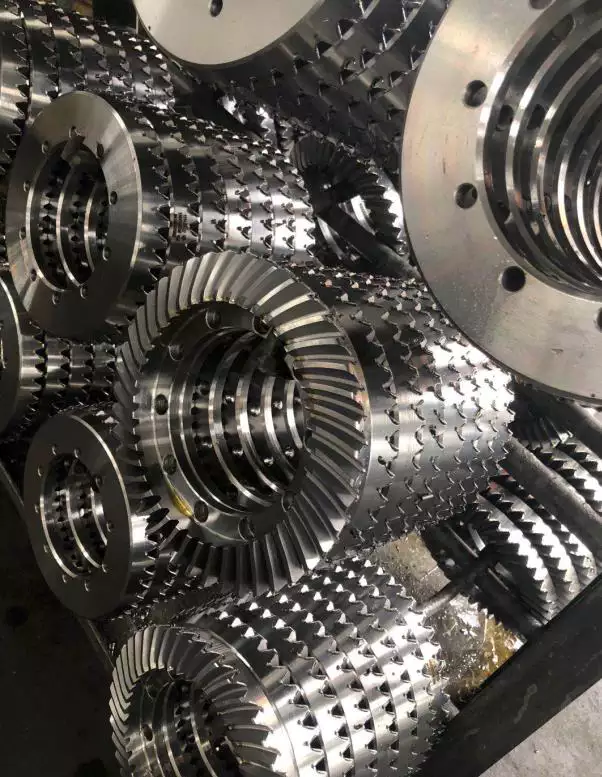
Gear edge trimming is a crucial process in the manufacturing of gears. It involves the removal of excess material from the edges of gears to achieve the desired dimensions and improve overall performance. This article will delve into the various aspects of gear edge trimming, highlighting its importance and the techniques involved.
The Significance of Gear Edge Trimming
Gear edge trimming plays a vital role in ensuring the proper functioning of gears. Let’s explore its significance through the following points:
1. Enhanced Gear Performance
By trimming the gear edges, manufacturers can optimize the gear’s performance. The precise removal of excess material reduces the risk of misalignment and ensures smooth engagement with other gears.
2. Improved Gear Durability
Gear edge trimming helps in improving the overall durability of gears. By removing rough edges and burrs, it minimizes the chances of stress concentration, thereby enhancing the gear’s resistance to wear, fatigue, and failure.
3. Better Gear Efficiency
Smooth gear edges, achieved through trimming, reduce friction and improve gear efficiency. This results in reduced energy loss during gear operation and increases the overall efficiency of mechanical systems.
Techniques for Gear Edge Trimming
Several techniques are employed for gear edge trimming. Let’s explore some of these techniques:
1. Milling
In milling, a cutting tool removes excess material from the gear edges. This process offers precision and versatility, making it suitable for various gear types and sizes.
2. Grinding
Grinding involves the use of abrasive wheels to remove excess material from gear edges. It is commonly used to achieve high precision and surface finish.
3. Chamfering
Chamfering is a technique where a beveled edge is created on the gear. This not only removes excess material but also improves the gear’s engagement and reduces stress concentration.
4. Deburring
Deburring is the process of removing burrs and sharp edges from gear surfaces. It enhances gear quality by eliminating potential stress raisers.
5. Electrochemical Machining
Electrochemical machining (ECM) is a non-traditional technique that uses electrical energy to remove excess material from gear edges. It offers precise control and is suitable for complex gear profiles.
Incorporating Gear Edge Trimming in Manufacturing
To ensure the successful implementation of gear edge trimming, manufacturers should consider the following:
1. Design Considerations
Integrating gear edge trimming into the initial gear design phase is crucial. Proper edge relief and chamfer dimensions should be determined to achieve the desired performance and durability.
2. Quality Control
Establishing robust quality control measures is essential to monitor the effectiveness of gear edge trimming. Regular inspections should be conducted to verify the dimensional accuracy and surface finish of the trimmed edges.
3. Operator Training
Operators performing gear edge trimming should undergo comprehensive training. This ensures that the trimming techniques are executed correctly, resulting in consistent and high-quality gear production.
4. Continuous Improvement
Manufacturers should continuously evaluate and improve their gear edge trimming processes. Incorporating advanced technologies and staying updated with industry advancements can lead to enhanced efficiency and quality.
Conclusion
Gear edge trimming is a critical step in gear manufacturing, offering numerous benefits such as improved performance, durability, and efficiency. By employing various techniques and considering essential factors, manufacturers can ensure the successful integration of gear edge trimming in their production processes, leading to high-quality gears that meet the demands of diverse applications.
Our company specializes in the production and sale of various types of gears, including spur gears, helical gears, bevel gears, worm gears, and more. With extensive experience in the industry, we take pride in offering superior gear solutions to meet the diverse needs of our customers. Here are five key advantages that set our company apart:
1. High-Quality Materials
At our company, we understand the importance of using top-notch materials in gear production. We source the finest materials available to ensure the durability and longevity of our gears. By utilizing high-quality materials, we guarantee the performance and reliability of our products.
2. Precision Engineering
Our team of skilled engineers is dedicated to precision engineering in every gear we produce. Through meticulous calculations and advanced manufacturing techniques, we achieve the perfect balance of form and function. Our gears are precisely designed and crafted to deliver optimal performance, minimizing friction and maximizing efficiency.
3. Customization Options
Recognizing that every application has unique requirements, we offer a wide range of customization options for our gears. From size and tooth profile to material selection and surface treatment, we work closely with our customers to tailor our gears to their specific needs. Our ability to provide customized solutions allows us to meet the most demanding gear applications.
4. Stringent Quality Control
Quality is our top priority. We have implemented a rigorous quality control system to ensure that every gear leaving our facility meets the highest standards. Through thorough inspections and testing procedures, we guarantee that our gears are free from defects and are built to withstand the most demanding operating conditions.
5. Excellent Customer Service
At our company, we value our customers and strive to provide the best customer service in the industry. Our dedicated team is committed to delivering personalized attention and timely support. From the initial inquiry to after-sales service, we are here to assist our customers every step of the way.
The Birth of a Gear: Manufacturing Process and Techniques
Creating a gear involves a precise and intricate manufacturing process. Here are the steps and techniques involved:
1. Design and Engineering
Before production begins, our team of engineers works closely with the customer to understand their specific requirements and design the gear accordingly. Using advanced CAD software, we create a detailed 3D model of the gear, ensuring optimal performance and compatibility.
2. Material Selection
Based on the gear’s application and load requirements, we carefully select the appropriate material. Factors such as strength, durability, and heat resistance are taken into consideration to ensure the gear will perform reliably under operating conditions.
3. Cutting and Shaping
Using advanced gear cutting machines, we accurately cut and shape the gear teeth according to the design specifications. This process involves precise measurements and calculations to achieve the desired tooth profile and ensure proper meshing with other gears.
4. Heat Treatment
To enhance the gear’s strength and durability, heat treatment is applied. This process involves heating the gear to a specific temperature and then cooling it rapidly, resulting in improved hardness and resistance to wear.
5. Finishing and Inspection
After the heat treatment process, the gear undergoes finishing operations such as grinding, polishing, and deburring. This ensures a smooth surface finish and eliminates any remaining imperfections. Each gear is then thoroughly inspected for dimensional accuracy and quality before it is ready for delivery.
Partner with us today and experience the difference of working with a leading gear supplier. Contact our team to discuss your gear needs and discover how our high-quality products and exceptional service can benefit your business.
Author: Miya