Gear Clearance
In the world of mechanics and engineering, one term that holds immense importance is gear clearance. It refers to the gap or space between two adjacent gears within a mechanical system. The gear clearance plays a crucial role in ensuring the smooth operation and longevity of the gears. In this blog post, we will delve into the various aspects of gear clearance and its significance in mechanical systems.
1. Understanding Gear Clearance
Gear clearance is a fundamental parameter that determines the performance and reliability of a gear system. It represents the physical space left between the teeth of adjacent gears to accommodate lubrication, thermal expansion, manufacturing tolerances, and misalignments. Proper clearance ensures that gears can rotate without any interference or damage, allowing for efficient power transmission.
2. Types of Gear Clearance
There are two main types of gear clearance:
- Radial Gear Clearance: This type of clearance is measured radially between the teeth of mating gears. It accounts for factors such as tooth thickness variations, manufacturing errors, and thermal expansion.
- Axial Gear Clearance: Axial clearance refers to the space between the end faces of gears along the gear axis. It accommodates axial movements, thermal expansion, and manufacturing tolerances.
3. Importance of Proper Gear Clearance
Having the correct gear clearance is crucial for optimal gear system performance. Here are some key reasons why proper gear clearance is essential:
- Noise and Vibration Reduction: Adequate gear clearance helps minimize noise and vibration levels, resulting in a quieter and smoother operation of the machinery.
- Heat Dissipation: Proper clearance allows for efficient lubrication and heat dissipation, preventing overheating and ensuring prolonged gear life.
- Error Compensation: Gear clearance compensates for manufacturing errors, thermal expansion, and misalignments, ensuring smooth gear engagement and preventing premature wear.
4. Factors Affecting Gear Clearance
Several factors influence the determination of gear clearance:
- Operating Conditions: The load, speed, and temperature at which the gear system operates affect the required clearance.
- Gear Material and Design: Different materials and gear designs have varying thermal expansion rates and manufacturing tolerances, which impact the clearance.
- Lubrication: The choice of lubricant and its properties play a role in determining the necessary clearance for optimal gear performance.
5. Maintaining and Adjusting Gear Clearance
To ensure the gear system operates at its best, regular maintenance and adjustment of gear clearance are necessary. The following steps can be taken:
- Inspection: Regularly inspect the gear system for any signs of abnormal wear, noise, or damage.
- Lubrication: Proper lubrication helps maintain the necessary clearance and prevents excessive wear due to friction.
- Alignment: Check and adjust gear alignment to minimize misalignments that can affect the gear clearance and overall system performance.
Overall, gear clearance is a critical aspect of any gear system. By understanding its importance and following proper maintenance procedures, engineers and mechanics can ensure optimal gear performance and longevity.
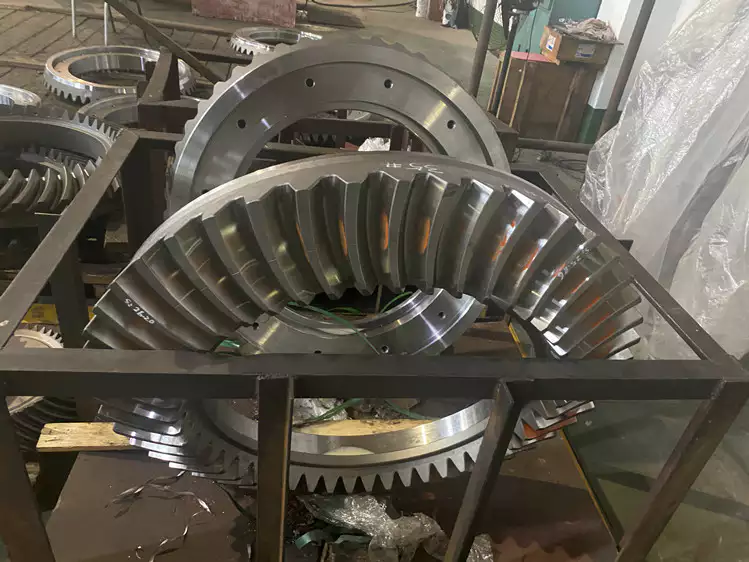
Our company specializes in the production and sale of various types of gears, including spur gears, helical gears, bevel gears, worm gears, and more. With years of experience and expertise in the industry, we take pride in offering a wide range of gear products to meet our customers’ diverse needs.
Advantages of Choosing Our Gear Products
1. Superior Quality
We are committed to delivering gears of the highest quality. Our products undergo rigorous testing and quality control procedures to ensure superior performance and durability.
2. Precision Engineering
At our company, precision is paramount. We employ advanced technology and modern manufacturing techniques to produce gears with precise dimensions and perfect tooth profiles.
3. Customization Options
We understand that each customer may have unique requirements. That’s why we offer customized gear solutions, allowing our clients to tailor the specifications, materials, and finishes according to their specific needs.
4. Competitive Pricing
We believe that quality gears should also be affordable. Our pricing structure is designed to offer competitive rates without compromising on the quality of our products.
5. Timely Delivery
We value our customers’ time and strive to ensure timely delivery of all orders. With efficient production processes and streamlined logistics, we ensure that our gears reach our clients within the agreed timeframes.
6. Excellent Customer Service
Customer satisfaction is our top priority. Our dedicated team of professionals provides exceptional customer service, assisting our clients at every step of the process, from initial inquiries to after-sales support.
The Birth of a Gear: The Manufacturing Process
Creating a gear involves a series of meticulous steps and precise engineering techniques. Here’s an overview of the gear manufacturing process:
1. Design and Engineering
Before production begins, our team of skilled engineers designs the gear, taking into account the required specifications and application. They use specialized software and tools to create precise gear designs.
2. Material Selection
Choosing the right material is crucial for gear performance. Based on the specific application and load requirements, our experts carefully select the appropriate material, considering factors such as strength, wear resistance, and heat tolerance.
3. Cutting and Shaping
The gear teeth are cut and shaped using advanced machining techniques. This process involves precision cutting tools, such as hobbing or milling machines, to create the desired tooth profiles and sizes.
4. Heat Treatment
To enhance the mechanical properties of the gears, they undergo heat treatment processes such as quenching and tempering. This ensures increased hardness, strength, and resistance to wear and fatigue.
5. Finishing and Inspection
After heat treatment, the gears undergo finishing processes to achieve the desired surface finish and dimensional accuracy. They are then thoroughly inspected to ensure they meet the required standards and specifications.
6. Packaging and Delivery
Once the gears pass the final inspection, they are carefully packaged to prevent any damage during transportation. We utilize secure packaging materials and efficient logistics to ensure safe and timely delivery to our customers.
At our company, we are dedicated to providing top-quality gears, customized solutions, and excellent customer service. Join us today and experience the perfect blend of precision, reliability, and innovation in gear manufacturing.
Author: Miya