What are the differences between solid and hollow gear shaft designs?
1. Introduction
In the field of mechanical engineering, gear shafts play a crucial role in transmitting power and torque between rotating components. Two common designs for gear shafts are solid and hollow configurations. This article aims to explore the differences between these two designs and their respective advantages in various applications.
2. Definition and Structure
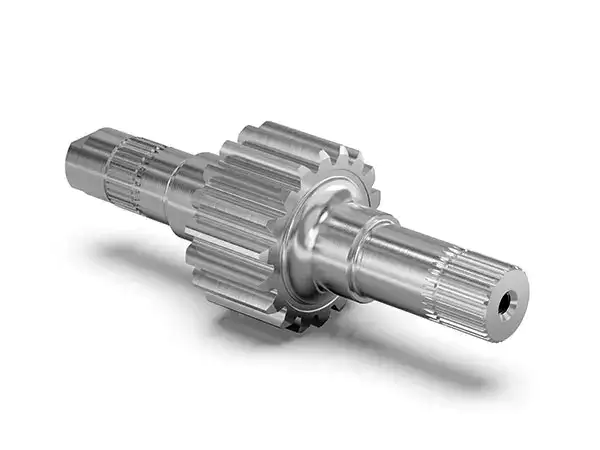
2.1 Solid Gear Shaft: A solid gear shaft refers to a cylindrical component with a uniform diameter throughout its entire length. It is typically made of high-strength materials such as alloy steel to withstand heavy loads and ensure durability.
2.2 Hollow Gear Shaft: Unlike its solid counterpart, a hollow gear shaft has a hollow core, resulting in a tubular structure. This design offers several unique characteristics that make it suitable for specific applications.
3. Strength and Weight
3.1 Solid Gear Shaft: Solid gear shafts are renowned for their exceptional strength and rigidity. The uniform structure allows them to handle high torque and resist deformation under heavy loads. However, their solid construction also contributes to a relatively higher weight compared to hollow gear shafts.
3.2 Hollow Gear Shaft: Hollow gear shafts excel in applications where weight reduction is crucial. The hollow core significantly reduces the overall weight of the shaft without compromising its strength. This makes it an ideal choice in industries such as aerospace and automotive, where lightweight components enhance performance and fuel efficiency.
4. Heat Dissipation
4.1 Solid Gear Shaft: Due to their solid structure, solid gear shafts have limited capacity for heat dissipation. The absence of internal channels restricts efficient cooling, which can lead to increased temperatures during operation, especially in high-speed applications.
4.2 Hollow Gear Shaft: Hollow gear shafts have an advantage in terms of heat dissipation. The hollow core provides an internal space for cooling fluids or gases to circulate, effectively dissipating heat generated during operation. This feature is particularly valuable in applications where temperature control is critical.
5. Manufacturing Complexity
5.1 Solid Gear Shaft: Solid gear shafts are relatively easier to manufacture due to their simple and uniform structure. This simplicity leads to lower production costs and shorter lead times, making them a cost-effective choice in many industrial settings.
5.2 Hollow Gear Shaft: The manufacturing process for hollow gear shafts is more complex compared to solid shafts. Additional steps, such as drilling or extrusion, are involved in creating the internal cavity. This complexity can lead to higher production costs and longer manufacturing times.
6. Application Scenarios
6.1 Solid Gear Shaft: Solid gear shafts find extensive use in heavy-duty applications that demand high torque transmission, such as industrial machinery and heavy equipment. Their robust construction ensures reliable and long-lasting performance under extreme conditions.
6.2 Hollow Gear Shaft: Hollow gear shafts are favored in industries where weight reduction, heat dissipation, or the incorporation of fluid or gas flow is essential. Some notable applications include aerospace engineering, automotive systems, and certain types of precision instruments.
7. Conclusion
In summary, solid and hollow gear shaft designs offer distinct advantages depending on the specific requirements of a given application. While solid gear shafts provide exceptional strength and durability, hollow gear shafts excel in weight reduction, heat dissipation, and versatility. Understanding these differences allows engineers to make informed decisions when selecting the most suitable gear shaft design for their intended purpose.
Note: This article is for informational purposes only and should not be considered as engineering or professional advice. It is always recommended to consult with experts in the field for specific design recommendations and considerations.
Our company specializes in the production and sale of various types of gears and gear shafts. With our expertise in the field, we offer several advantages that set us apart from the competition:
Advantages:
- High-Quality Materials: We use only the finest materials to ensure the durability and reliability of our gear shafts.
- Precision Engineering: Our gear shafts are meticulously designed and manufactured to meet the highest industry standards.
- Customization Options: We offer a wide range of customization options to meet the specific needs of our customers.
- Quick Turnaround Time: Our efficient production processes allow us to deliver gear shafts in a timely manner, minimizing any disruption to your operations.
- Competitive Pricing: Despite our exceptional quality and service, we strive to offer competitive pricing to our valued customers.
The Importance of Gear Shafts:
Gear shafts play a crucial role in mechanical power transmission systems. They are responsible for transferring torque and rotational motion between gears, ensuring smooth and efficient operation.
Materials and Selection Criteria:
When it comes to gear shafts, the choice of material is of utmost importance. Factors such as strength, durability, and wear resistance must be considered. Additionally, factors like cost and availability also play a role in material selection. Our experienced engineers can guide you in choosing the most suitable material for your specific application.
Design Considerations:
Designing gear shafts requires careful consideration of various factors. Some key design considerations include load capacity, shaft diameter, gear tooth engagement, and backlash. Our team of experts pays meticulous attention to these design aspects to ensure optimal performance.
Our Gear Shaft Manufacturing Process:
Our gear shafts undergo a comprehensive manufacturing process to ensure their quality and reliability:
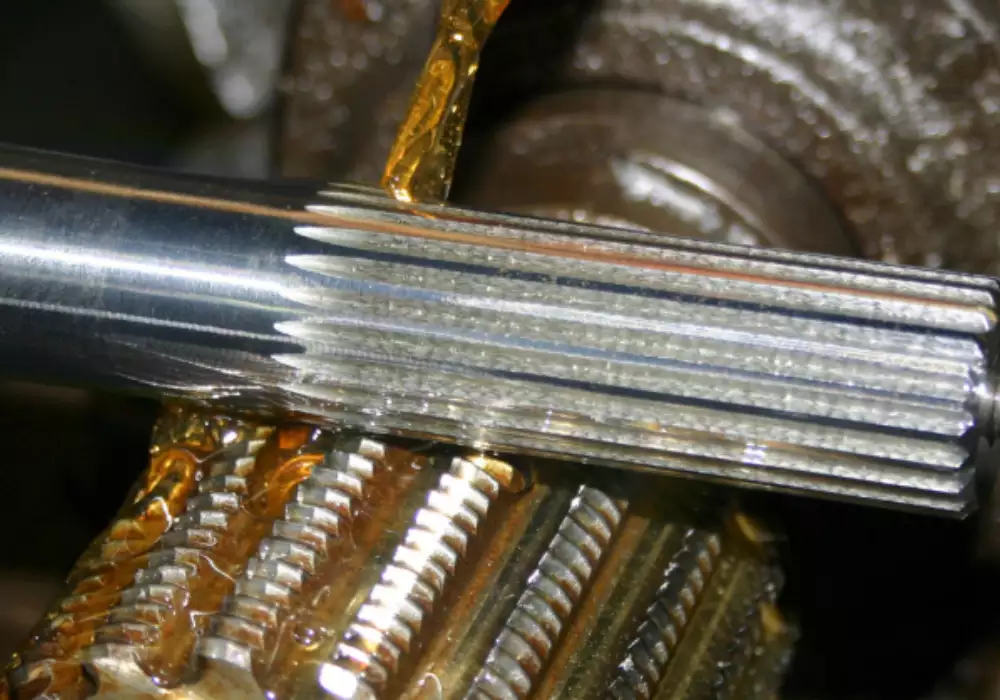
- Cutting Processes: We employ various cutting techniques such as turning, milling, and grinding to shape the gear shafts.
- Heat Treatment: To enhance the hardness and strength of the gear shafts, we subject them to processes like quenching, tempering, and carburizing.
- Specialized Processes: We also offer specialized processes such as gear hobbing and gear shaving to achieve precise gear tooth profiles.
Applications and Failure Analysis of Gear Shafts:
Gear shafts find applications in various industries, including automotive, aerospace, and industrial machinery. Understanding the common failure modes and preventive measures is crucial in maintaining the reliability of gear shafts. Our team can provide comprehensive support in failure analysis and preventive measures to ensure optimal performance and longevity.
Partner with us to experience the exceptional quality and service we offer. Contact our team today to discuss your gear shaft requirements.
Author: Miya