How does gear shaft flexibility affect gear train efficiency?
Introduction
Gear shaft flexibility is an important factor to consider when analyzing the efficiency of a gear train. In this article, we will explore the various ways in which gear shaft flexibility impacts the overall efficiency of a gear train system.
1. Definition of gear shaft flexibility
Gear shaft flexibility refers to the ability of a gear shaft to bend or deform under external forces or loads. It is influenced by factors such as material composition, design, and manufacturing processes.
2. Impact of gear shaft flexibility on gear meshing
One of the key areas where gear shaft flexibility affects gear train efficiency is in the gear meshing process. When a gear shaft is too flexible, it can result in misalignment and poor meshing between gears, leading to energy losses and reduced efficiency.
3. Increased mechanical losses
Flexible gear shafts can introduce additional mechanical losses in a gear train system. These losses occur due to friction and hysteresis caused by the bending and deformation of the shaft during operation. The higher the flexibility, the greater the mechanical losses.
4. Vibrations and noise
Excessive gear shaft flexibility can lead to vibrations and noise in the gear train. These vibrations not only affect the smooth operation of the system but also contribute to energy losses. The presence of vibrations and noise indicates inefficiencies in the gear train.
5. Reduced torque transmission
Flexibility in gear shafts can result in reduced torque transmission capabilities. This can limit the power that can be efficiently transferred from one gear to another, affecting the overall performance and efficiency of the gear train system.
6. Importance of material selection
Choosing the right material for gear shafts is crucial in minimizing flexibility and maximizing gear train efficiency. High-strength materials with good rigidity and fatigue resistance should be selected to minimize bending and deformation under load.
7. Design considerations for minimizing flexibility
Proper design techniques can be employed to minimize gear shaft flexibility. These include optimizing gear geometry, reducing clearances, and using appropriate supports or bearings to enhance rigidity and alignment.
8. Balancing flexibility and durability
While minimizing gear shaft flexibility is important for improving gear train efficiency, it is equally crucial to strike a balance with durability. Overly rigid shafts can be prone to failure and damage under high loads, compromising the longevity of the gear train system.
9. Role of lubrication
Effective lubrication plays a significant role in reducing friction and wear between gear components, including the gear shafts. Proper lubrication can help minimize the impact of flexibility on gear train efficiency by reducing mechanical losses and promoting smooth gear meshing.
10. Influence of temperature
Temperature variations can also affect gear shaft flexibility. Thermal expansion and contraction can cause changes in the dimensions and rigidity of gear shafts, which in turn impact the overall efficiency of the gear train system.
11. Real-life applications
The understanding of gear shaft flexibility and its effects on gear train efficiency is crucial in various industries. Applications such as automotive transmissions, industrial machinery, and wind turbine systems heavily rely on optimized gear train designs to ensure maximum efficiency.
12. Innovations in minimizing flexibility
Ongoing research and advancements in materials science and manufacturing processes have led to innovations in minimizing gear shaft flexibility. New materials with enhanced rigidity and flexibility characteristics are continuously being developed to improve gear train efficiency.
13. Case study: Gear shaft flexibility optimization in automotive transmissions
In this case study, we will explore how automotive manufacturers have implemented strategies to optimize gear shaft flexibility in transmissions, resulting in improved fuel efficiency and smoother gear shifting.
14. Conclusion
Gear shaft flexibility has a significant impact on the efficiency of gear train systems. By understanding the relationship between flexibility and efficiency, engineers can make informed decisions during the design and optimization process, leading to more efficient and reliable gear train systems.
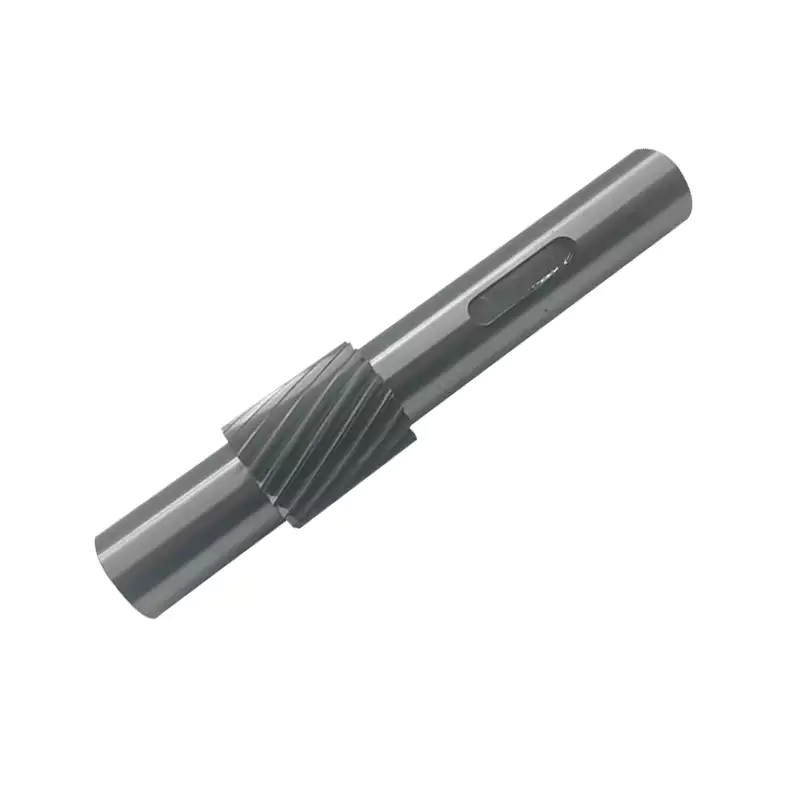
Our company specializes in the production and sale of various types of gears and gear shafts. We take pride in our expertise and commitment to delivering high-quality products to our customers. Here are five key advantages of choosing our company:
- Advanced Manufacturing Techniques: We utilize state-of-the-art manufacturing techniques to ensure precision and accuracy in the production of gears and gear shafts.
- Extensive Product Range: Our company offers a wide range of gear types and configurations to meet the diverse needs of our customers.
- Excellent Durability: Our gears and gear shafts are built to withstand heavy loads and provide long-lasting performance even under challenging conditions.
- Customization Options: We understand that every project has unique requirements. That’s why we offer customization options to tailor our gears and gear shafts according to specific customer needs.
- Reliable Customer Support: Our dedicated customer support team is always ready to assist customers with their queries, ensuring a seamless experience throughout the entire process.
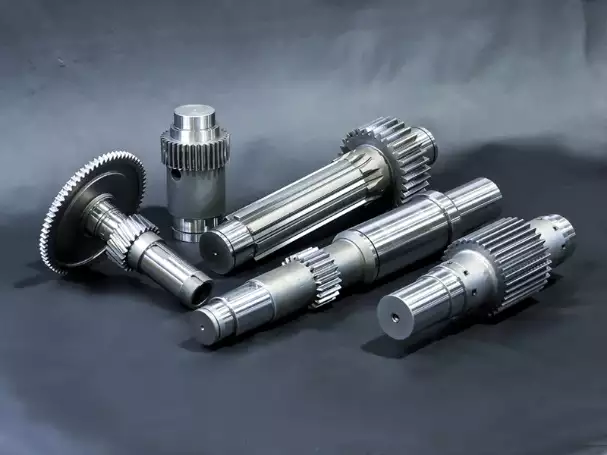
The Importance of Gear Shafts in Mechanical Power Transmission
Gear shafts play a crucial role in mechanical power transmission systems. They are responsible for transmitting torque and rotational motion between gears, ensuring smooth and efficient operation. Without properly designed and manufactured gear shafts, the overall efficiency and performance of a gear train can be compromised.
Materials and Selection Criteria for Gear Shafts
When it comes to selecting materials for gear shafts, factors such as strength, fatigue resistance, and wear resistance are essential. Commonly used materials for gear shafts include alloy steels, stainless steels, and carbon steels. The selection of the material depends on the specific application requirements and the desired performance characteristics.
Design Considerations for Gear Shafts
Designing gear shafts involves considering various factors to ensure optimal performance and longevity. Some key design considerations include:
- Proper gear engagement and alignment to minimize gear wear and noise.
- Adequate shaft diameter and length to handle the required torque and loads.
- Appropriate surface finish to reduce friction and prevent premature wear.
- Accurate positioning of keyways and splines for secure gear attachment.
Manufacturing Process for Gear Shafts
Our gear shafts undergo a comprehensive manufacturing process to ensure their quality and reliability. The process includes:
- Machining Operations: Gear shafts are machined using cutting-edge techniques such as turning, milling, and grinding to achieve precise dimensions and surface finish.
- Heat Treatment: To enhance their mechanical properties, gear shafts undergo heat treatment processes such as quenching, tempering, and carburizing.
- Specialized Processes: Additional processes like gear hobbing and shaving may be employed to achieve optimal gear tooth profiles and surface finish.
Application Cases and Failure Analysis of Gear Shafts in Typical Fields
Gear shafts find application in various industries and systems, including automotive, aerospace, and industrial machinery. Analyzing failure cases helps identify potential issues and implement preventive measures for improved reliability and performance.
Interested in partnering with us? Contact our team today to discuss your gear and gear shaft requirements. We are committed to delivering exceptional products and services to meet your specific needs.
Author: Miya