How to inspect gear shaft splines for damage?
Introduction
Gear shaft splines are crucial components that transmit torque and rotational force in various mechanical systems. Maintaining the integrity of these splines is essential for optimal performance and longevity of the machinery. In this article, we will explore the key steps for inspecting gear shaft splines and identifying any potential damage.
1. Visual Inspection
One of the initial steps in inspecting gear shaft splines is conducting a visual examination. This allows us to identify any visible signs of damage or wear. Here are some important points to consider:
- Check for any chipped, cracked, or broken splines.
- Look for signs of excessive wear, such as flattened or rounded edges.
- Inspect for any foreign particles or debris that could impact spline functionality.
2. Dimensional Measurement
Precise measurements are crucial for assessing the condition of gear shaft splines. Utilize the following techniques to obtain accurate dimensional data:
- Use a micrometer or caliper to measure the spline’s major diameter.
- Measure the minor diameter to determine if it is within the acceptable tolerance range.
- Check the spline’s pitch diameter for any deviations from the specified dimensions.
3. Surface Hardness Analysis
Assessing the surface hardness of gear shaft splines provides valuable insights into their durability and resistance against wear. Consider the following:
- Conduct a hardness test using a Rockwell or Brinell hardness tester.
- Compare the obtained hardness values with the specified range for the particular spline material.
- Identify any significant deviations that may indicate potential damage or material defects.
4. Lubrication Evaluation
Proper lubrication is vital for the smooth operation and longevity of gear shaft splines. Evaluate the lubrication condition using the following guidelines:
- Check for the presence of lubricant and ensure it adequately covers the entire spline surface.
- Inspect for signs of contamination, such as dirt, debris, or excessive moisture.
- Assess the lubricant’s viscosity and consistency to ensure it meets the manufacturer’s specifications.
5. Load Testing
Performing load tests helps evaluate the gear shaft splines’ ability to withstand the required forces. Consider the following steps:
- Apply an appropriate load to the spline system and observe for any signs of failure or excessive deformation.
- Monitor the torque transmission efficiency to identify any irregularities.
- Record and analyze the results to determine if the splines are performing within the desired parameters.
Conclusion
Inspecting gear shaft splines for damage is a crucial maintenance practice that ensures the optimal performance and reliability of mechanical systems. By following the steps outlined in this article, you can effectively identify any potential issues and take appropriate measures to rectify them. Regular inspections and timely repairs or replacements will significantly extend the lifespan of gear shaft splines, minimizing downtime and maximizing productivity.

Our company specializes in the production and sale of various types of gears and gear shafts. As an expert in SEO copywriting, I would like to introduce the advantages of our company.
Advantages of Our Company
- High-Quality Materials: We use top-notch materials in the manufacturing process, ensuring the durability and reliability of our gear shafts.
- Precision Engineering: Our gear shafts are meticulously designed and manufactured to meet the highest industry standards, guaranteeing optimal performance.
- Advanced Technology: We leverage cutting-edge machinery and technology to produce gear shafts with exceptional precision and efficiency.
- Experienced Team: Our team consists of highly skilled professionals who have extensive expertise in the field of gear manufacturing, ensuring superior quality products.
- Customization Options: We offer customized solutions to meet specific requirements, providing tailored gear shafts for various applications.
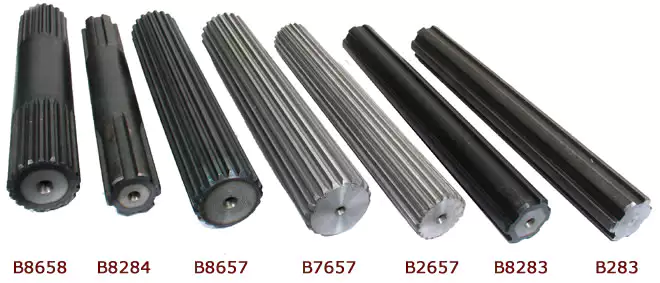
Now, let’s delve into the importance of gear shafts and their role in mechanical transmission systems.
Importance of Gear Shafts in Mechanical Transmission Systems
Gear shafts play a crucial role in transmitting power and motion between various components in mechanical systems. They are responsible for transferring rotational force from the input to the output shaft, enabling the smooth operation of the machinery.
Next, let’s explore the materials and selection criteria for gear shafts, as well as their essential design considerations.
Materials and Selection Criteria for Gear Shafts
When it comes to gear shafts, the choice of material is vital to ensure durability and performance. Common materials used for gear shafts include alloy steels, carbon steels, and stainless steels. The selection depends on factors such as load capacity, operating conditions, and cost-effectiveness.
Design considerations for gear shafts involve factors like load distribution, stress analysis, and heat treatment requirements. These aspects should be carefully evaluated to ensure optimal performance and longevity.
Now, let’s discuss our gear shaft manufacturing process, which includes cutting operations like turning, milling, and grinding, as well as heat treatment processes like quenching, tempering, and carburizing. We also utilize special processes like gear hobbing and gear shaving for specific requirements.
Furthermore, let’s explore some application cases and analyze common failures in gear shafts, along with preventive measures.
Finally, we would like to invite you to collaborate with us, leveraging our expertise and advantages to meet your gear shaft requirements. Feel free to reach out to us for any inquiries or further information.
Author: Miya