Tag Archives: gripper chains

How Do Grip Chains Help Maintain Consistent Tension in Systems?

Introduction

Grip chains are an essential component in various systems, providing the necessary tension to ensure smooth operation. In this article, we will explore the mechanisms behind grip chains and their role in maintaining consistent tension. Through a comprehensive analysis, we will uncover the advantages of using grip chains in different applications.

1. Understanding the Function of Grip Chains

Grip chains, also known as film gripper chains, are designed to securely hold and transport materials in a system. These chains consist of gripping elements that firmly grasp the product, preventing slippage or movement during transportation. By exerting a controlled amount of tension, grip chains ensure the stability and accuracy of the system.

2. The Importance of Proper Tension

Consistent tension is crucial for the efficient operation of systems. Grip chains play a vital role in maintaining this tension, as they prevent material shifting and misalignment. With the appropriate tension, the system can achieve optimal performance, reducing downtime and increasing productivity.

3. The Working Principle of Grip Chains

Grip chains operate based on the principle of friction. The gripping elements, typically made of high-quality materials, create a firm grip on the product’s surface. This friction allows the grip chains to maintain constant tension, ensuring the stability of the system even during high-speed operations.

4. Key Features of Grip Chains

  • High-quality gripping elements for strong and reliable grip
  • Excellent resistance to wear and tear
  • Low maintenance requirements
  • Flexible configuration options for various system designs
  • Compatible with different materials and product types

5. Common Issues and Solutions

Common Issues Solutions
Chain slippage Regular inspection and adjustment of tension
Excessive wear on gripping elements Periodic replacement of worn-out components
Material accumulation on grip chains Proper cleaning and maintenance practices

Sprockets for Grip Chains

Sprockets are essential counterparts to grip chains, facilitating smooth movement and enhancing their overall performance. The precise engagement between grip chains and sprockets ensures optimal tension control and minimizes the risk of chain slippage. Our company offers a wide range of sprocket products specifically designed for grip chains, ensuring compatibility and efficient operation. Check out our high-quality grip chain sprockets below:
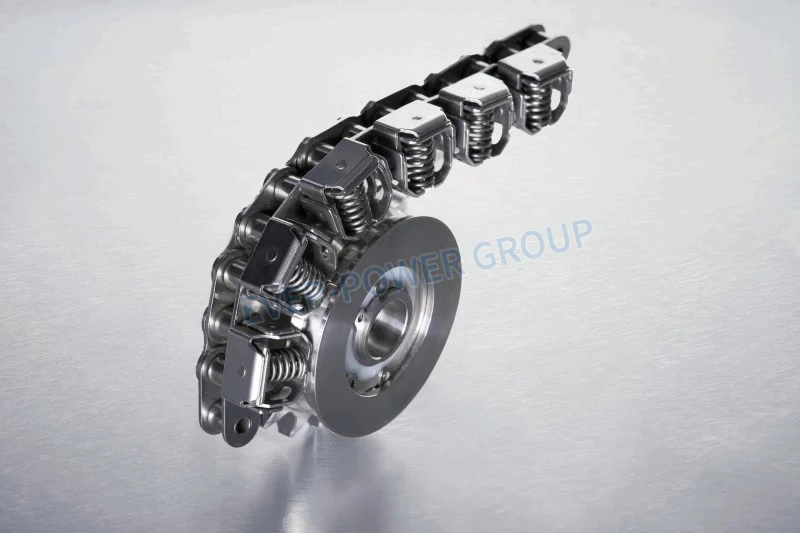
Grip Chain Sprocket

At our company, we specialize in the production of grip chains. With years of experience and advanced manufacturing techniques, we have become a trusted manufacturer in the industry. Choose us for the following advantages:

  1. Highly reliable and durable grip chains
  2. A wide range of grip chain configurations to suit different applications
  3. Customization options for specific system requirements
  4. Prompt and efficient customer support
  5. Competitive pricing and on-time delivery
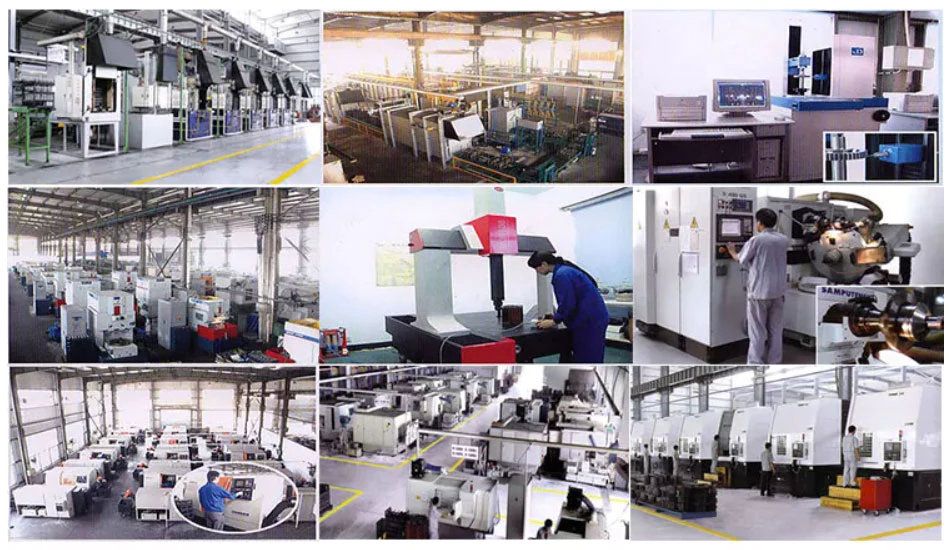
Manufacturer

Q&A

Q: Can grip chains be used in high-temperature environments?

A: Yes, our grip chains are designed to withstand high-temperature conditions, ensuring reliable operation in demanding environments.

Q: How often should grip chains be inspected for maintenance?

A: Regular inspection is recommended every three to six months, depending on the system’s operating conditions. Timely maintenance helps prevent potential issues and ensures optimal performance.

Q: Are grip chains suitable for heavy-duty applications?

A: Absolutely. Our grip chains are specifically engineered to handle heavy loads and demanding applications, providing the necessary tension and stability.

Edited by Zqq.


Are Grip Chains Compatible with Various Types of Sprockets?

Grip chains are a type of conveyor chain designed to provide a secure grip on products during transport. They are commonly used in industries such as packaging, printing, and food processing. However, when it comes to selecting the appropriate sprocket for a grip chain, confusion often arises. In this article, we will explore the compatibility of grip chains with various types of sprockets.

What are Grip Chains?

Grip chains are conveyor chains that feature specially designed attachments, which allow them to grip onto products during transport. They are commonly used in applications where it is necessary to maintain a tight grip on products, such as in the packaging industry. Grip chains are available in a variety of materials, including stainless steel, plastic, and carbon steel.

Grip Chains and Sprockets Compatibility

Grip chains are compatible with a wide range of sprockets. However, it is important to select the appropriate sprocket based on the application requirements. Some of the factors to consider when selecting a sprocket include pitch, bore size, number of teeth, and material. Choosing the wrong sprocket can result in premature wear and tear of the grip chain and sprocket.

Pitch and Bore Size

The pitch of a grip chain is the distance between each pin center. The bore size refers to the diameter of the hole in the center of the sprocket. It is important to ensure that the sprocket bore size is compatible with the grip chain’s pin diameter. If the bore size is too small, it will not fit over the grip chain’s pins, and if it is too large, the grip chain will not fit tightly around the sprocket.

Number of Teeth and Material

The number of teeth on a sprocket determines the speed ratio of the chain drive system. It is important to select a sprocket with the appropriate number of teeth based on the application requirements. Material selection is also critical as it can affect the sprocket’s wear resistance and durability. Stainless steel and carbon steel sprockets are commonly used in grip chain applications.

Common Problems with Grip Chains and Solutions

Problem Solution
Excessive wear and tear of grip chain Ensure proper tensioning of the grip chain and select an appropriate sprocket with the correct pitch and bore size.
Sprocket teeth wear out too quickly Select a sprocket with appropriate material and ensure proper alignment with the grip chain.
Chain jumps off sprocket Ensure proper tensioning of the grip chain and select a sprocket with the correct number of teeth and pitch.

Sprockets for Grip Chains

Sprockets are an essential component of the grip chain drive system. They work in tandem with the grip chain to ensure smooth and efficient product transport. At Ever-Power, we offer a wide range of sprockets that are compatible with our grip chains. Our sprockets are available in a variety of materials, including stainless steel, carbon steel, and plastic. We offer custom sprockets to fit specific application requirements. Our sprockets are designed to work seamlessly with our grip chains, ensuring maximum operational efficiency.

About Ever-Power

Ever-Power is a leading manufacturer of conveyor chains and sprockets, including grip chains. We provide high-quality products that are designed to meet the specific needs of our customers. Our grip chains are made to the highest standards and are available in a variety of materials. We offer custom design services to ensure that our products meet our customers’ unique requirements. Our team of highly trained professionals is committed to providing excellent customer service to ensure that our customers have a positive experience when working with us.

Q&A

Q: Can grip chains be used in high-temperature applications?

A: Yes, grip chains are available in high-temperature materials such as stainless steel, making them suitable for use in high-temperature applications.

Q: How do I determine the appropriate grip chain tension?

A: The appropriate grip chain tension can be determined by measuring the sag between two sprockets. The sag should be approximately 1-2% of the center distance between the sprockets.

Q: Can grip chains be used in corrosive environments?

A: Yes, grip chains are available in materials such as stainless steel and plastic, which are resistant to corrosion.

Edited by Zqq.

How Do Grip Chains Impact the Cost of Production and Operations?

The Role of Grip Chains in Production and Operations

Grip chains, also known as film gripper chains, play a crucial role in various industries by providing efficient and reliable material handling solutions. These chains are specifically designed to securely grip and transport materials, such as films, foils, and other flexible products, throughout the production and operational processes. The utilization of grip chains brings about several benefits and impacts the overall cost of production and operations.

Enhancing Material Handling Efficiency

Efficient material handling is vital for streamlined production and operational processes. Grip chains, with their unique design and gripping capabilities, ensure precise and reliable material handling. By securely gripping the materials, grip chains minimize the risk of slippage or damage during transportation, thus reducing costly errors and increasing overall productivity.

Reducing Downtime and Maintenance Costs

Regular maintenance and unexpected equipment downtime can significantly impact production schedules and increase costs. Grip chains, engineered with durable and low-maintenance materials, offer extended service life and require minimal maintenance. This reduces downtime for maintenance and repairs, allowing for uninterrupted production and reduced maintenance expenses.

Improving Product Quality and Minimizing Waste

Proper material handling is crucial for maintaining product quality and minimizing waste. Grip chains provide a secure grip on delicate materials, preventing damage and ensuring consistent product quality. The reliable grip also minimizes waste by reducing the occurrence of dropped or damaged materials, thus optimizing production efficiency and cost-effectiveness.

Enhancing Worker Safety and Ergonomics

In any production or operational environment, worker safety is a top priority. Grip chains contribute to a safer working environment by reducing the risk of accidents and injuries related to material handling. The secure grip provided by these chains ensures that workers can handle materials with confidence and without straining their bodies, thereby improving ergonomics and reducing the likelihood of workplace injuries.

Optimizing Production and Operational Costs

Grip chains, through their various benefits and impacts on material handling, ultimately help optimize production and operational costs. By enhancing efficiency, reducing downtime, improving product quality, and ensuring worker safety, grip chains contribute to overall cost reduction and increased profitability.

Gripper Chain Image

Common Problem Solution
Chain slipping during operation Tighten the chain tension or replace worn-out chains
Excessive chain wear Regularly inspect and lubricate the chains, replace worn-out chains
Chain breakage Ensure proper tension, inspect and replace damaged or worn-out chains

Sprockets for Gripper Chains

Sprockets are crucial components that work in tandem with grip chains to provide optimal material handling solutions. They are designed to engage with the chain links, enabling smooth and efficient movement. The selection of the right sprockets is essential to ensure proper chain engagement and maximize grip chain performance.

Our company offers a wide range of sprockets specifically designed for grip chains. Our sprockets are precision-engineered to match the grip chain specifications, ensuring smooth operation and prolonged chain life. With our high-quality sprockets, customers can enhance the performance and durability of their grip chains, resulting in improved material handling efficiency.

Gripper Chain Sprocket Image

Manufacturer-1 is a leading producer of grip chains and associated components. We specialize in manufacturing high-quality grip chains that cater to the diverse needs of various industries. Our grip chains are designed to deliver exceptional performance, durability, and cost-effectiveness.

Why choose Manufacturer-1:

  1. Extensive industry experience and expertise
  2. Advanced manufacturing facilities
  3. Strict quality control measures
  4. Wide range of customizable options
  5. Prompt and reliable customer support

Manufacturer-1 Image

Q&A

Q: How often should grip chains be inspected and maintained?

A: Grip chains should be inspected regularly, ideally on a monthly basis, to ensure optimal performance. Maintenance, such as lubrication and tension adjustment, should be carried out as per the manufacturer’s recommendations.

Q: Can grip chains be used for heavy-duty applications?

A: Yes, grip chains are designed to handle a wide range of applications, including heavy-duty tasks. However, it is important to select the appropriate grip chain type and size based on the specific requirements of the application.

Q: Are grip chains compatible with different conveyor systems?

A: Yes, grip chains can be integrated with various conveyor systems, such as roller conveyors and belt conveyors. They offer versatility and can be customized to fit specific conveyor configurations.

Edited by Zqq.


What Are the Differences Between Grip Chains and Standard Chains?

Introduction

Grip chains and standard chains are two different types of chains that are used in various industries. While they may seem similar at first glance, there are several key differences between them. In this article, we will explore these differences and highlight the unique features and advantages of grip chains.

1. Grip Chains: A Brief Overview

Grip chains, also known as film gripper chains, are specialized chains that are designed for applications where gripping and conveying thin films or sheets are required. These chains have unique features that allow for secure and precise handling of delicate materials.

Grip Chains

2. Standard Chains: A Comparison

Standard chains, on the other hand, are more commonly used in general industrial applications. They are designed to provide reliable and efficient power transmission, and are available in various sizes and configurations to suit different needs.

Standard Chains

3. Grip Chains vs Standard Chains: Key Differences

When comparing grip chains and standard chains, several key differences stand out:

  • Grip chains have specialized grip surfaces, whereas standard chains have a more uniform surface.
  • Grip chains are designed to handle thin films and sheets, while standard chains are used for general power transmission.
  • Grip chains offer enhanced grip and precision, while standard chains prioritize strength and durability.
  • Grip chains require special sprockets for optimal performance, whereas standard chains can be used with standard sprockets.
  • Grip chains are often used in industries such as printing, packaging, and electronics, while standard chains are widely used across various industries.

4. Common Questions and Solutions

Question Solution
How do I choose the right grip chain for my application? Consider factors such as material type, thickness, and conveying speed. Consult with a grip chain specialist for expert advice.
What should I do if the grip chain starts slipping? Check the tension and alignment of the chain. Clean the grip surfaces if necessary and consider using a lubricant specifically designed for grip chains.
Can grip chains be used in high-temperature environments? Yes, there are heat-resistant grip chains available that can withstand elevated temperatures. Make sure to select the appropriate chain for your specific application.

Sprockets for Gripper Chains

While grip chains and standard chains have their unique characteristics, they often go hand in hand when it comes to practical applications. Grip chains require specially designed sprockets to ensure optimal performance and precise conveyance. These sprockets are specifically engineered to match the grip chain’s grip surface, allowing for smooth and efficient handling of the thin films or sheets.

Gripper Chain Sprocket

About Our Company

We are a leading manufacturer of grip chains, specializing in the design and production of high-quality chains for various industries. With years of experience and expertise, we pride ourselves on delivering top-notch products that surpass customer expectations. Here are five advantages of choosing our company:

  1. Advanced manufacturing facilities equipped with state-of-the-art technology.
  2. A team of skilled engineers and technicians dedicated to product innovation and development.
  3. Strict quality control measures to ensure consistent product performance.
  4. A wide range of grip chain options to cater to diverse applications.
  5. Excellent customer service and technical support to assist with any inquiries or concerns.

Our Company

Q&A

Q: Can grip chains be used in food processing industries?

A: Yes, we offer food-grade grip chains specifically designed for use in food processing applications. These chains meet strict hygiene standards and are safe for contact with food.

Q: Are grip chains suitable for high-speed conveying?

A: Absolutely! Our grip chains are engineered to handle high-speed conveying with precision and reliability. They are designed to minimize slippage and ensure smooth operation even at high speeds.

Q: How often should grip chains be replaced?

A: The lifespan of grip chains depends on various factors such as usage conditions and maintenance. Regular inspections and proper lubrication can extend the chain’s lifespan. It is recommended to consult our experts for specific guidance based on your application.

Edited by Zqq.


Can Grip Chains Be Used in High-Speed Conveying Systems?

When it comes to transporting products from one place to another, conveyor systems are an essential part of many manufacturing processes. Grip chains, also known as gripper chains, are a popular type of conveyor chain that is used to convey a wide range of products. However, many people wonder whether these chains can be used in high-speed conveying systems. In this article, we will explore this topic in detail.

What Are Grip Chains?

Before we dive into the details of high-speed conveying systems, let’s first define what grip chains are. Grip chains are a type of conveyor chain that is designed with special attachments, known as grippers, that are used to grip and move products along the conveyor. These chains are commonly used in manufacturing processes where products need to be conveyed through various stages of production.

High-Speed Conveying Systems

High-speed conveying systems are used in manufacturing processes where products need to be moved quickly from one point to another. The speed at which these systems operate can vary depending on the particular application, but they are typically much faster than standard conveying systems.

When it comes to using grip chains in high-speed conveying systems, there are a few factors that need to be considered. The first is the type of product being conveyed. Grip chains are suitable for a wide range of products, but they may not be appropriate for products that are very fragile or susceptible to damage. Additionally, the weight and size of the product being conveyed can also impact whether grip chains are suitable for high-speed conveying systems.

Benefits of Using Grip Chains in High-Speed Conveying Systems

Despite the challenges that can arise when using grip chains in high-speed conveying systems, there are several benefits to this conveyor chain type. First, grip chains are highly versatile and can be used to convey a wide range of products. Second, they are durable and can withstand the wear and tear of high-speed conveying systems. Finally, grip chains are easy to maintain and can be serviced quickly if there are any issues.

Common Problems and Solutions

Problem Solution
Gripper wear Regularly inspect and replace worn grippers
Chain elongation Adjust tension and/or replace worn chain components
Product damage Use appropriate gripper design and/or adjust conveying speed

Sprockets for Grip Chains

Grip chains and sprockets are two products that work hand-in-hand in conveying systems. Sprockets are used to drive the grip chains and move products along the conveyor. It is important to select the correct sprocket for the type of grip chain being used in order to ensure proper function and longevity of both products.

At Ever-Power, we offer a wide range of grip chains and sprockets to meet the needs of our customers. Our grip chains are designed with durability and versatility in mind, and our sprockets are engineered to work seamlessly with our grip chains. We also offer custom solutions for customers who have unique conveying system needs.

About Ever-Power

Ever-Power is a leading manufacturer of grip chains and other conveyor chain products. With over 20 years of experience in the industry, we have a deep understanding of the needs of our customers and are committed to delivering high-quality products that meet those needs.

Our company offers several advantages to our customers, including:

  • Custom solutions for unique application needs
  • High-quality materials and construction
  • Expert technical support and service
  • Competitive pricing
  • Fast turnaround times on orders

Q&A:

Q: Can grip chains be used for heavy products?

A: Yes, grip chains are suitable for heavy products. However, it is important to select the appropriate grip chain and sprocket combination for the weight and size of the product being conveyed.

Q: How often should grip chains be serviced?

A: Grip chains should be serviced regularly to ensure proper function and longevity. The frequency of service will depend on the particular application, but it is generally recommended to inspect and service grip chains at least once per year.

Q: Can grip chains be used in food production?

A: Yes, grip chains can be used in food production. However, it is important to select grip chains that are designed for use in food production environments and that meet industry standards for cleanliness and safety.

Edited by Zqq.

What Are the Key Advantages of Grip Chains Over Other Drive Chains?

The Advantages of Grip Chains

Grip chains, also known as gripper chains, offer several key advantages over other drive chains. In this article, we will explore these advantages in detail.

1. Enhanced Grip and Traction

Grip chains are designed with specialized profiles that provide superior grip and traction compared to other drive chains. This enhanced grip ensures reliable power transmission in demanding applications.

2. Reduced Chain Slippage

With their unique gripping features, grip chains minimize chain slippage, even under high loads and challenging operating conditions. This reduces the risk of downtime and improves overall system efficiency.

3. Increased Flexibility

Grip chains offer greater flexibility in terms of design and application. Their unique construction allows for easy customization, enabling them to adapt to various drive configurations and requirements.


Grip Chain Image

4. Enhanced Wear Resistance

Due to their specialized materials and manufacturing techniques, grip chains exhibit excellent wear resistance. This prolongs chain life and reduces the need for frequent replacements, resulting in cost savings for users.

5. Improved Durability

Grip chains are built to withstand harsh operating conditions and heavy loads. Their robust construction and high-quality materials ensure long-lasting performance, making them a reliable choice for demanding applications.

Frequently Asked Questions (FAQ)

Question Answer
Q: How often should grip chains be lubricated? A: Lubrication requirements for grip chains depend on various factors such as operating environment and load conditions. It is recommended to consult the manufacturer’s guidelines for specific lubrication intervals.
Q: Can grip chains be used in high-temperature applications? A: Yes, grip chains are designed to withstand high-temperature environments. However, it is crucial to select the appropriate chain material and lubricant to ensure optimal performance.
Q: What maintenance practices should be followed to extend the life of grip chains? A: Regular inspection, proper lubrication, and prompt replacement of worn components are essential for extending the life of grip chains. It is recommended to follow the manufacturer’s maintenance guidelines for optimal results.

Sprockets for Gripper Chains

Gripper chains and sprockets are complementary components in power transmission systems. The sprockets, also known as chain wheels, play a crucial role in ensuring smooth and efficient operation of gripper chains.

Properly matched sprockets are essential for achieving optimal grip, reducing wear, and maximizing the lifespan of grip chains. Our company offers a wide range of sprockets specifically designed to work seamlessly with gripper chains.


Gripper Chain Sprocket Image

At Ever Power, we are a leading manufacturer of grip chains and sprockets. With years of experience and expertise in the industry, we take pride in delivering high-quality products that meet the needs of our customers.

Here are five key advantages of choosing Ever Power:

  • 1. Superior product quality and reliability
  • 2. Extensive product range to suit diverse applications
  • 3. Customization options for specific requirements
  • 4. Competitive pricing and value for money
  • 5. Excellent customer service and support


Manufacturer Image

Q&A

Question Answer
Q: What makes Ever Power’s grip chains stand out from competitors? A: Ever Power’s grip chains stand out due to their superior grip, enhanced wear resistance, and exceptional durability. We prioritize quality and performance to provide our customers with reliable and long-lasting solutions.
Q: Are Ever Power’s grip chains environmentally friendly? A: Yes, our grip chains are manufactured using environmentally friendly processes and materials. We are committed to sustainability and strive to minimize our impact on the environment.
Q: Can Ever Power provide customized grip chain solutions? A: Absolutely! We have a team of experienced engineers who can design and manufacture grip chains tailored to your specific requirements. Contact us to discuss your needs and explore our customization options.

Edited by Zqq.


How Do Grip Chains Reduce the Risk of Slippage in Material Handling?

Gripper Chain

Introduction

Material handling is a critical process in several industries that requires utmost care, precision, and safety measures to prevent accidents. One of the most common risks in material handling is slippage that can damage the materials and harm the workers. To prevent slippage, various techniques are used, and one of them is using grip chains. In this article, we will explore how grip chains reduce the risk of slippage in material handling and their benefits.

What Are Grip Chains?

Grip chains are specialized chains used in material handling to prevent slippage during the transportation of goods. They have a unique design that includes small, rubberized, or plastic fingers throughout the chain’s links. These fingers grip the material and prevent it from sliding or slipping during transportation, even on steep inclines or declines.

How Do Grip Chains Work?

Grip chains work by using the small fingers on their links to provide a secure and firm grip on the material being transported. When the grip chain comes into contact with the material, the fingers penetrate the material’s surface, creating a secure grip. As a result, the material remains stable and does not slip or slide during the handling process.

Gripper Chain in Use

Benefits of Using Grip Chains

Prevent Slippage

The primary benefit of using grip chains is to prevent slippage during material handling. Unlike traditional chains that can easily slide on the material’s surface, grip chains provide a firm grip that reduces the risk of accidents and material damage.

Increased Efficiency

Grip chains increase the efficiency of material handling by preventing delays and ensuring that the materials reach their destination safely and quickly. This benefit is particularly crucial in industries that require timely deliveries and large quantities of materials.

Cost-Effective

Using grip chains is a cost-effective solution for industries that cannot afford material damage or accidents resulting from slippage. The cost of using grip chains is relatively low compared to the potential losses that can arise due to material damage or accidents.

Versatility

Grip chains are versatile and can be used in several industries, including food, pharmaceuticals, and automotive, among others. They can grip various materials, including delicate products such as films, papers, and textiles.

Durability

Grip chains are durable and can withstand harsh environments, including extreme temperatures, humidity, and chemicals. They require minimal maintenance and have a long lifespan, making them a reliable solution for material handling.

Common Grip Chain Problems and Solutions

Problem Solution
The grip chain is loose Make sure the chain tensioner is correctly adjusted, and the chain is not too worn out.
The grip chain is too tight Adjust the chain tensioner to the correct tension level.
The chain fingers are worn out Replace the worn-out fingers with new ones.
The chain is damaged Replace the damaged chain with a new one.

Sprockets for Grip Chains

Sprockets and grip chains are essential components that work together in material handling. Sprockets are toothed wheels that engage with the grip chain, providing motion and stability during transportation. Choosing the right sprockets for grip chains is crucial to ensure optimal performance and safety. At Ever-Power, we offer a wide range of sprockets that are compatible with our grip chains, including custom-made options to meet specific requirements.

Gripper Chain Sprocket

About Ever-Power

Ever-Power is a leading manufacturer of grip chains and sprockets for material handling. We have over 20 years of experience in the industry, and our products are known for their high-quality, durability, and reliability. Our grip chains are designed to provide a secure grip on all types of materials, including delicate products, and our sprockets are custom-made to meet specific requirements. Our commitment to quality and customer satisfaction is unmatched, and we strive to provide the best solutions to our clients.

Ever-Power Manufacturer

Q&A

Q: How do I choose the right grip chain for my industry?

A: Choosing the right grip chain depends on several factors, including the type of material being transported, the environment, and the weight of the material. At Ever-Power, we offer a wide range of grip chains to suit various industries and material types.

Q: Are grip chains suitable for delicate materials such as films and papers?

A: Yes, grip chains are suitable for delicate materials such as films and papers. The small fingers on the grip chain gently grip the material’s surface, preventing slippage without damaging the material.

Q: Can grip chains be used in extreme environments?

A: Yes, grip chains can be used in extreme environments, including high temperatures, humidity, and chemicals. Ever-Power grip chains are designed to withstand such conditions and maintain their performance and durability.

Edited by Zqq.


What Is the Maintenance Schedule for Grip Chains to Ensure Longevity?

Grip chains are an essential part of many conveyor systems, especially those used in the packaging industry. These chains come in various shapes and sizes and are designed to carry products through the production line smoothly. However, like any other mechanical component, grip chains require regular maintenance to ensure that they function correctly and last as long as possible. In this article, we will discuss the maintenance schedule for grip chains to ensure longevity.

What are Grip Chains?

Grip chains are conveyor chains that have rubber fingers or cleats attached to them. These cleats grip the product and carry it through the production line. Grip chains are commonly used in the packaging industry to move bags, boxes, and other packaged products. They are also used in the automotive industry to move car parts through the assembly line.

Why is Maintenance Important?

Maintenance is essential to keep grip chains running smoothly and efficiently. Without proper maintenance, grip chains can become damaged, which can lead to costly downtime and repairs. Regular maintenance can help prevent these issues and extend the life of the chain.

Recommended Maintenance Schedule

Grip chains should be inspected and maintained regularly, preferably on a weekly basis. The following maintenance schedule is recommended:

  • Clean chains with a non-corrosive cleaning agent
  • Inspect chains for damage, wear, and elongation
  • Check sprockets for wear and damage
  • Inspect rubber cleats for wear and damage
  • Check tension and adjust as necessary
  • Lubricate chains with a food-grade lubricant

It is crucial to follow this maintenance schedule to ensure that the grip chains last as long as possible. Neglecting maintenance can lead to increased wear and damage, which can reduce the lifespan of the chains.

Common Problems and Solutions

Problem Solution
Chain elongation Replace chain or adjust tension
Broken or damaged cleats Replace cleats
Worn sprockets Replace sprockets
Lack of lubrication Lubricate chains with a food-grade lubricant
Excessive wear or damage Replace the chain

Sprockets for Grip Chains

Sprockets are an essential part of the grip chain conveyor system. They are used to drive the chain and keep it moving at a constant speed. The size and type of sprocket used depends on the size and type of chain. It is essential to use the correct sprocket to ensure that the chain runs smoothly and efficiently.

At Ever-Power, we offer a wide range of sprockets designed specifically for grip chains. Our sprockets are made from high-quality materials and are designed to last as long as possible. We also offer custom sprockets to meet the specific needs of our customers.

About Ever-Power

Ever-Power is a leading manufacturer of conveyor components, including grip chains and sprockets. We have been in business for over 20 years and have built a reputation for high-quality products and exceptional customer service.

Our company offers several advantages over our competitors, including:

  • Fast turnaround times
  • Competitive pricing
  • Custom solutions
  • High-quality products
  • Exceptional customer service

Q&A

Q: How often should grip chains be inspected and maintained?

A: Grip chains should be inspected and maintained on a weekly basis.

Q: What should be checked during grip chain maintenance?

A: During grip chain maintenance, the chains, sprockets, and rubber cleats should be inspected for damage, wear, and elongation. The tension should also be checked and adjusted as necessary.

Q: What lubricant should be used on grip chains?

A: A food-grade lubricant should be used on grip chains.

Edited by Zqq.

How Do Grip Chains Perform in Harsh Environmental Conditions?

Grip chains are a type of conveyor chain that utilize small, rubberized grippers to move materials along the conveyor. These chains are commonly used in a variety of manufacturing and packaging applications, but how do they perform in harsh environmental conditions?

What Are Grip Chains?

Grip chains are a type of conveyor chain that is designed to move materials along a production line. Rather than using traditional rollers or other types of conveyor technology, grip chains utilize small rubberized grippers that are attached to the chain links themselves. These grippers help to grip and move materials along the conveyor, providing a reliable and efficient means of transportation.

How Do Grip Chains Perform in Harsh Environmental Conditions?

Grip chains are designed to be highly durable and reliable, even in harsh environmental conditions. Whether you’re operating in extremely high or low temperatures, in a dusty or dirty environment, or in a wet or humid area, grip chains are designed to keep working efficiently and effectively. This is thanks to their rugged construction and high-quality materials, which are chosen specifically for their ability to withstand a wide range of environmental factors.

The Benefits of Grip Chains

There are many benefits associated with using grip chains in your production line. Some of the most notable of these include:

  • Highly efficient material handling
  • Durable and long-lasting construction
  • Ability to handle a wide range of materials and products
  • Reliable operation even in harsh environmental conditions
  • Low maintenance requirements and easy to repair when necessary

Common Problems with Grip Chains

Problem Solution
Grip chains are slipping or not gripping materials properly Check the tension on the chain and adjust as necessary. Also, check that the grippers themselves are clean and not worn out.
Grip chains are jamming or becoming stuck Inspect the production line for any obstructions or issues that may be causing the jam. Also, ensure that the chain is properly lubricated for smooth operation.
Grip chains are breaking or wearing out too quickly Check the materials being transported for sharp edges or other factors that may be causing excessive wear and tear. Also, ensure that the chain is properly tensioned and lubricated to prevent unnecessary stress.

Sprockets for Grip Chains

While grip chains are highly effective on their own, they are often paired with sprockets to improve their efficiency and accuracy. Sprockets are designed to provide a precise and consistent means of moving the grip chains along the conveyor line, helping to ensure that materials are delivered precisely where they need to be. At our company, we offer a wide range of sprockets that are specifically designed to be used with grip chains, ensuring that our customers get the best possible performance from their conveyor systems.

About Our Company

As a leading manufacturer of grip chains, our company is dedicated to providing our customers with the highest-quality products and services available. We have over 20 years of experience in the industry, and we use that expertise to create innovative products that meet the needs of our customers. Some of the key advantages of working with us include:

  • High-quality, durable products
  • Expert engineering and design services
  • Fast and reliable delivery times
  • Customization options to meet your specific needs
  • Competitive pricing and exceptional customer service

Q&A

What materials can be transported using grip chains?

Grip chains are designed to handle a wide range of materials, including those that are heavy or abrasive. Some common materials that are transported using grip chains include boxes, bags, and cartons, as well as products like automotive parts and electronics.

How do I know what type of grip chain to use for my application?

The best way to determine what type of grip chain is right for your application is to work with an experienced manufacturer like us. We can help you choose the right materials, construction, and design for your specific needs, ensuring that you get the best possible performance from your conveyor system.

What maintenance is required for grip chains?

Grip chains require very little maintenance beyond regular cleaning and inspection. It’s important to keep the grippers clean and free from debris, and to ensure that the chain is properly tensioned and lubricated for smooth operation. If you notice any issues with your grip chains, it’s important to address them promptly to prevent further damage or breakdowns.

Edited by Zqq.

How Do Grip Chains Enhance Safety in Automated Production Lines?

Grip chains are an essential component of automated production lines. They are designed to securely grip products as they move through the production process. Grip chains enhance safety in automated production lines in several ways.

Grip Chains Prevent Product Slippage

One of the primary functions of grip chains is to prevent product slippage during production. Grip chains are designed with interlocking teeth that securely grip products as they move along the production line. This prevents products from slipping out of place, which can cause damage to the product or the production line.

Grip Chains Reduce Downtime

Another benefit of grip chains is that they reduce downtime. When products slip out of place, the production line must be stopped to reposition the product. This can cause significant delays and reduce overall productivity. Grip chains prevent slippage, which means that the production line can run smoothly and without interruption.

Grip Chains Increase Efficiency

Grip chains increase efficiency by allowing products to move quickly and smoothly through the production process. The interlocking teeth on the grip chains ensure that products move in a straight line without deviating from their intended path. This reduces the likelihood of jams and other production issues that can slow down the process.

Grip Chains Improve Safety

Grip chains improve safety in automated production lines by preventing products from slipping out of place. When products remain secure, there is less risk of injury to workers or damage to equipment. Additionally, grip chains are designed with safety features such as breakaway links that release under excessive pressure to prevent damage to the production line or the product.

Grip Chains Are Versatile

Grip chains are available in a variety of sizes and configurations to meet the needs of different production lines. They can be used to grip a wide range of products, from small electronic components to large automotive parts. This versatility makes them an essential component of many different types of automated production lines.

Gripper Chains FAQs

Question Answer
What materials are grip chains made of? Grip chains are typically made of high-strength plastics or metals such as stainless steel.
Can grip chains be customized for specific applications? Yes, grip chains can be customized for specific applications based on the size and weight of the products being produced.
How often should grip chains be replaced? Grip chains should be replaced when they show signs of wear or damage, such as broken or missing teeth.

Sprockets for Gripper Chains

Grip chains rely on sprockets to operate effectively. Sprockets are toothed wheels that mesh with the teeth on the grip chain, allowing it to move products along the production line. At Ever-Power, we offer a wide range of sprockets to complement our grip chains. Our sprockets are made from high-quality materials and are designed for durability and performance.

As a leading manufacturer of grip chains and sprockets, we pride ourselves on providing high-quality products and excellent customer service. Here are just a few of the advantages of working with us:

  • We offer a wide range of grip chains and sprockets to meet your needs.
  • Our products are made from high-quality materials and are built to last.
  • We provide fast and reliable shipping to help you keep your production line running smoothly.
  • Our knowledgeable customer service team is available to answer your questions and provide support.
  • We offer competitive pricing to help you stay within your budget.

Conclusion

Grip chains are an essential component of automated production lines. They enhance safety, reduce downtime, increase efficiency, and improve overall productivity. At Ever-Power, we offer a wide range of high-quality grip chains and sprockets to meet your needs. Contact us today to learn more about how we can help you improve your production line.

Edited by Zqq.