Introduction
Grip chains and standard chains are two different types of chains that are used in various industries. While they may seem similar at first glance, there are several key differences between them. In this article, we will explore these differences and highlight the unique features and advantages of grip chains.
1. Grip Chains: A Brief Overview
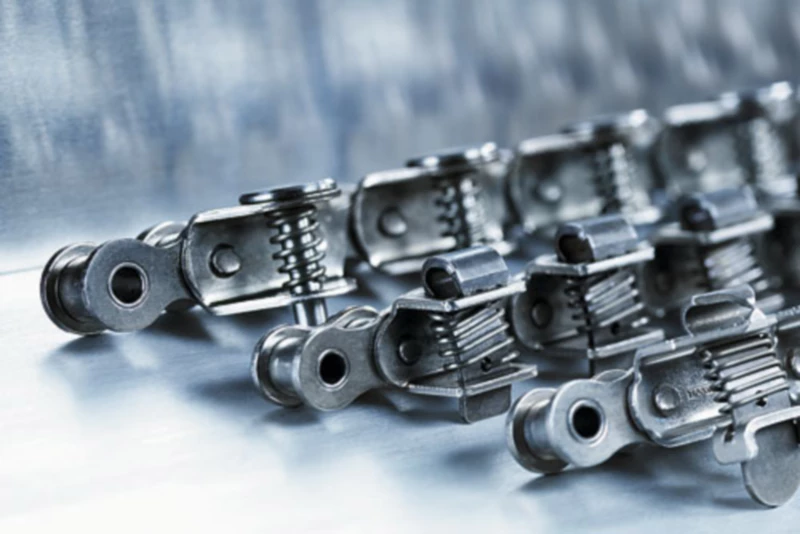
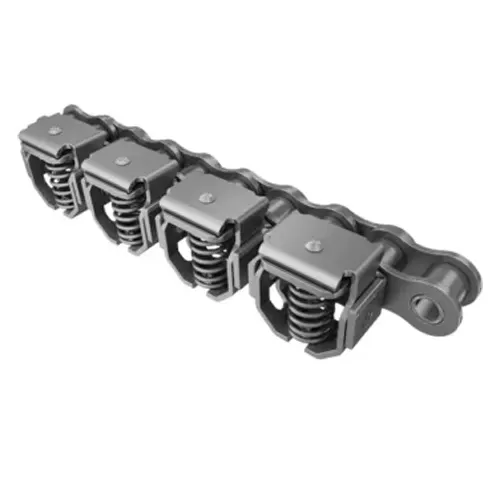
Grip chains, also known as film gripper chains, are specialized chains that are designed for applications where gripping and conveying thin films or sheets are required. These chains have unique features that allow for secure and precise handling of delicate materials.
2. Standard Chains: A Comparison
Standard chains, on the other hand, are more commonly used in general industrial applications. They are designed to provide reliable and efficient power transmission, and are available in various sizes and configurations to suit different needs.
3. Grip Chains vs Standard Chains: Key Differences
When comparing grip chains and standard chains, several key differences stand out:
- Grip chains have specialized grip surfaces, whereas standard chains have a more uniform surface.
- Grip chains are designed to handle thin films and sheets, while standard chains are used for general power transmission.
- Grip chains offer enhanced grip and precision, while standard chains prioritize strength and durability.
- Grip chains require special sprockets for optimal performance, whereas standard chains can be used with standard sprockets.
- Grip chains are often used in industries such as printing, packaging, and electronics, while standard chains are widely used across various industries.
4. Common Questions and Solutions
| Question | Solution |
|---|---|
| How do I choose the right grip chain for my application? | Consider factors such as material type, thickness, and conveying speed. Consult with a grip chain specialist for expert advice. |
| What should I do if the grip chain starts slipping? | Check the tension and alignment of the chain. Clean the grip surfaces if necessary and consider using a lubricant specifically designed for grip chains. |
| Can grip chains be used in high-temperature environments? | Yes, there are heat-resistant grip chains available that can withstand elevated temperatures. Make sure to select the appropriate chain for your specific application. |
Sprockets for Gripper Chains
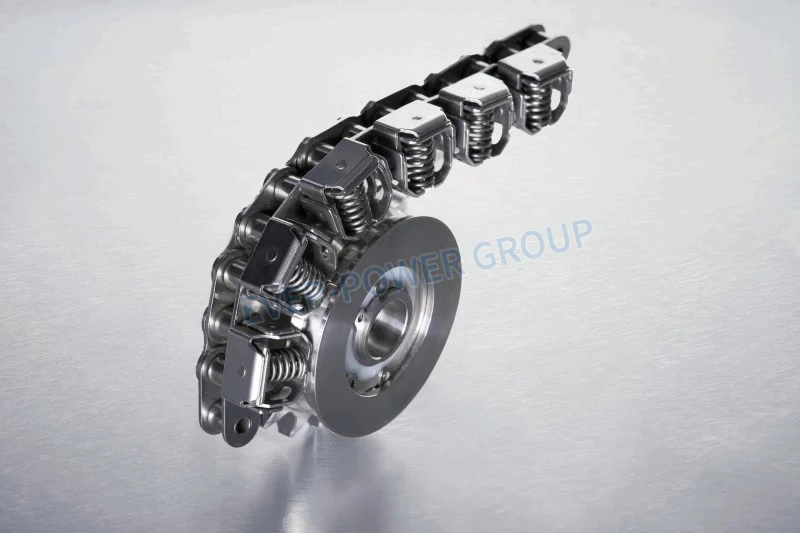
While grip chains and standard chains have their unique characteristics, they often go hand in hand when it comes to practical applications. Grip chains require specially designed sprockets to ensure optimal performance and precise conveyance. These sprockets are specifically engineered to match the grip chain’s grip surface, allowing for smooth and efficient handling of the thin films or sheets.
About Our Company
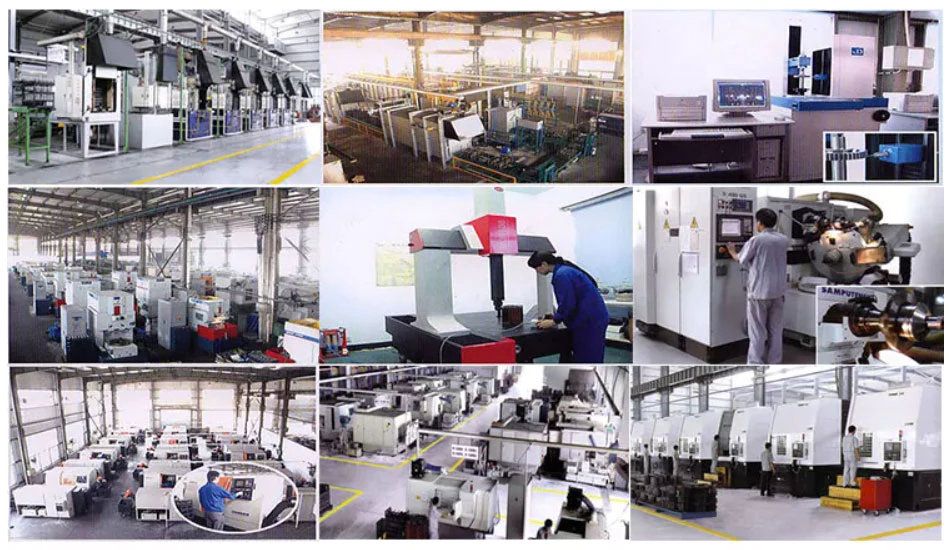
We are a leading manufacturer of grip chains, specializing in the design and production of high-quality chains for various industries. With years of experience and expertise, we pride ourselves on delivering top-notch products that surpass customer expectations. Here are five advantages of choosing our company:
- Advanced manufacturing facilities equipped with state-of-the-art technology.
- A team of skilled engineers and technicians dedicated to product innovation and development.
- Strict quality control measures to ensure consistent product performance.
- A wide range of grip chain options to cater to diverse applications.
- Excellent customer service and technical support to assist with any inquiries or concerns.
Q&A
Q: Can grip chains be used in food processing industries?
A: Yes, we offer food-grade grip chains specifically designed for use in food processing applications. These chains meet strict hygiene standards and are safe for contact with food.
Q: Are grip chains suitable for high-speed conveying?
A: Absolutely! Our grip chains are engineered to handle high-speed conveying with precision and reliability. They are designed to minimize slippage and ensure smooth operation even at high speeds.
Q: How often should grip chains be replaced?
A: The lifespan of grip chains depends on various factors such as usage conditions and maintenance. Regular inspections and proper lubrication can extend the chain’s lifespan. It is recommended to consult our experts for specific guidance based on your application.
Edited by Zqq.