Grip chains are an essential component of automated production lines. They are designed to securely grip products as they move through the production process. Grip chains enhance safety in automated production lines in several ways.
Grip Chains Prevent Product Slippage
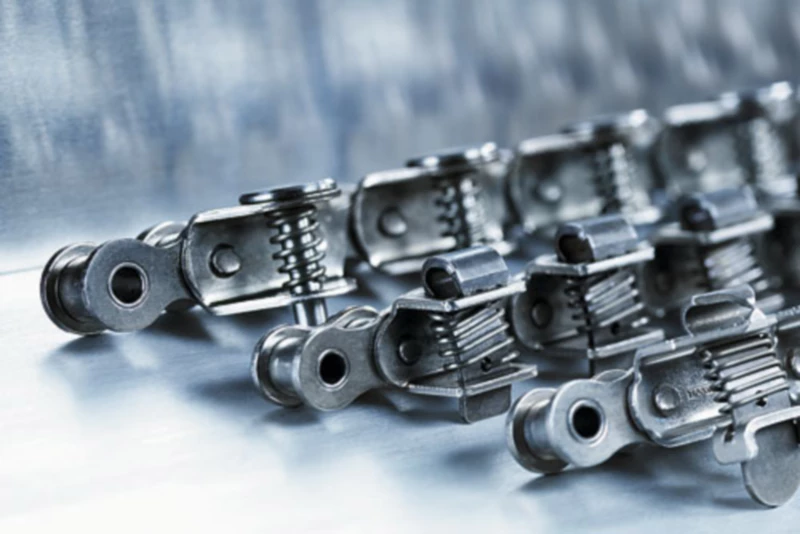
One of the primary functions of grip chains is to prevent product slippage during production. Grip chains are designed with interlocking teeth that securely grip products as they move along the production line. This prevents products from slipping out of place, which can cause damage to the product or the production line.
Grip Chains Reduce Downtime
Another benefit of grip chains is that they reduce downtime. When products slip out of place, the production line must be stopped to reposition the product. This can cause significant delays and reduce overall productivity. Grip chains prevent slippage, which means that the production line can run smoothly and without interruption.
Grip Chains Increase Efficiency
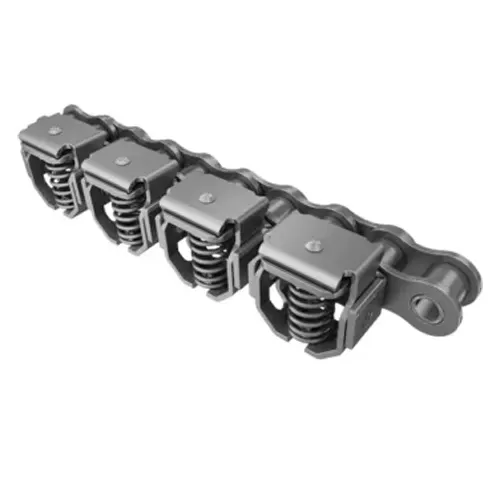
Grip chains increase efficiency by allowing products to move quickly and smoothly through the production process. The interlocking teeth on the grip chains ensure that products move in a straight line without deviating from their intended path. This reduces the likelihood of jams and other production issues that can slow down the process.
Grip Chains Improve Safety
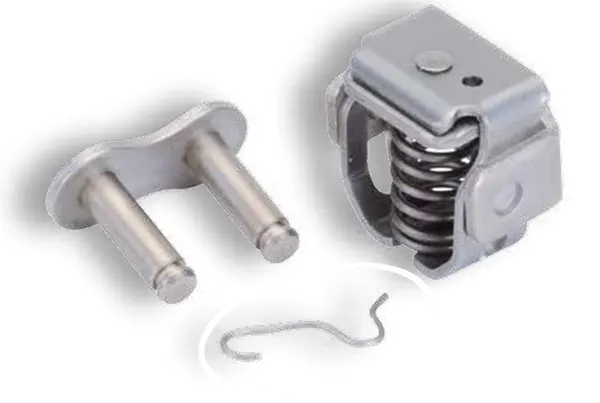
Grip chains improve safety in automated production lines by preventing products from slipping out of place. When products remain secure, there is less risk of injury to workers or damage to equipment. Additionally, grip chains are designed with safety features such as breakaway links that release under excessive pressure to prevent damage to the production line or the product.
Grip Chains Are Versatile
Grip chains are available in a variety of sizes and configurations to meet the needs of different production lines. They can be used to grip a wide range of products, from small electronic components to large automotive parts. This versatility makes them an essential component of many different types of automated production lines.
Gripper Chains FAQs
| Question | Answer |
|---|---|
| What materials are grip chains made of? | Grip chains are typically made of high-strength plastics or metals such as stainless steel. |
| Can grip chains be customized for specific applications? | Yes, grip chains can be customized for specific applications based on the size and weight of the products being produced. |
| How often should grip chains be replaced? | Grip chains should be replaced when they show signs of wear or damage, such as broken or missing teeth. |
Sprockets for Gripper Chains
Grip chains rely on sprockets to operate effectively. Sprockets are toothed wheels that mesh with the teeth on the grip chain, allowing it to move products along the production line. At Ever-Power, we offer a wide range of sprockets to complement our grip chains. Our sprockets are made from high-quality materials and are designed for durability and performance.
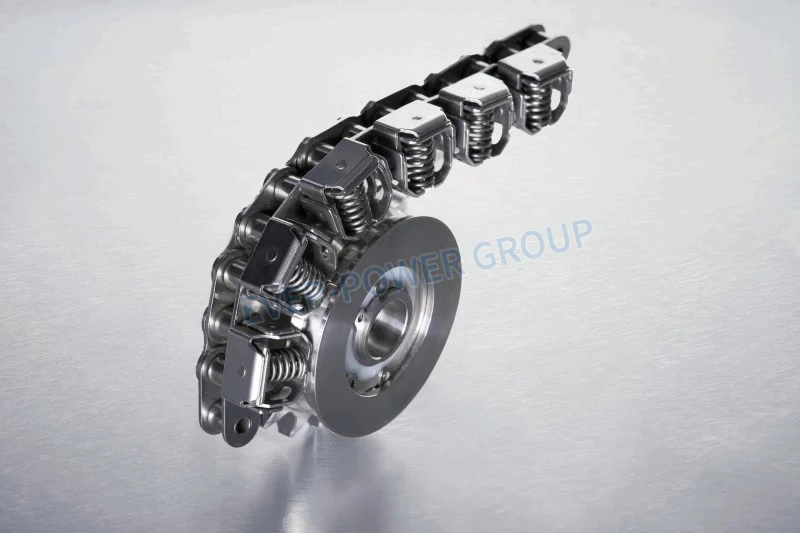
As a leading manufacturer of grip chains and sprockets, we pride ourselves on providing high-quality products and excellent customer service. Here are just a few of the advantages of working with us:
- We offer a wide range of grip chains and sprockets to meet your needs.
- Our products are made from high-quality materials and are built to last.
- We provide fast and reliable shipping to help you keep your production line running smoothly.
- Our knowledgeable customer service team is available to answer your questions and provide support.
- We offer competitive pricing to help you stay within your budget.
Conclusion
Grip chains are an essential component of automated production lines. They enhance safety, reduce downtime, increase efficiency, and improve overall productivity. At Ever-Power, we offer a wide range of high-quality grip chains and sprockets to meet your needs. Contact us today to learn more about how we can help you improve your production line.
Edited by Zqq.