How to accurately measure the dimensions of internal gears?
Introduction
Accurately measuring the dimensions of internal gears is essential for ensuring proper functionality and compatibility within a mechanical system. In this blog post, we will explore various techniques and methods to achieve precise measurements for internal gears.
Understanding Internal Gears
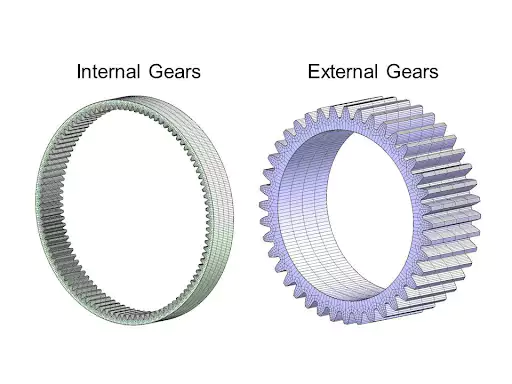
Before diving into the measurement techniques, let’s first have a clear understanding of what internal gears are. Internal gears are cylindrical gears with teeth on the inner surface, which mesh with the teeth of external gears. These gears are commonly used in various applications, such as automotive transmissions and industrial machinery.
1. Importance of Measurement Accuracy
Accurate measurement of internal gears is crucial to ensure proper alignment, smooth operation, and prevent any potential issues such as noise, vibration, and premature wear. Here are some key points highlighting the importance of measurement accuracy:
- Proper gear meshing: Precise measurements help achieve optimal gear meshing, ensuring efficient power transmission.
- Avoidance of interference: Accurate dimensions help prevent interference between gears, eliminating the risk of damage.
- Quality control: Accurate measurements enable effective quality control during the manufacturing process.
2. Measurement Techniques
There are several techniques available to accurately measure the dimensions of internal gears. Let’s explore some of them:
2.1 Coordinate Measuring Machine (CMM)
A CMM is a sophisticated measurement device that utilizes a probe to collect data points on the surface of an internal gear. The collected data is then used to generate a detailed dimensional report, allowing for precise analysis and comparison against the design specifications.
2.2 Optical Profile Projector
Using an optical profile projector, one can project the profile of an internal gear onto a screen and measure various dimensions, such as the tooth thickness, root diameter, and pitch diameter. This non-contact measurement technique provides accurate results and is suitable for both small and large gears.
2.3 Gear Roll Tester
A gear roll tester allows for the measurement of surface profiles and tooth-to-tooth variations of internal gears. By rotating the gear against a reference gear, this device provides valuable information about gear eccentricity, runout, and tooth contact pattern.
3. Measurement Process
Now that we are familiar with the measurement techniques, let’s outline the general process of accurately measuring the dimensions of internal gears:
3.1 Preparing the Gear
Before measurement, ensure that the internal gear is clean and free from any dirt or debris. Mount the gear securely on the measurement device or fixture to prevent any movement during the measurement process.
3.2 Selecting the Measurement Technique
Choose the appropriate measurement technique based on the gear size, complexity, and required accuracy. Consider factors like accessibility to gear surfaces and the desired level of detail in the measurement report.
3.3 Executing the Measurement
Perform the measurement by following the specific guidelines provided with the chosen measurement technique. Collect the necessary data points, ensuring comprehensive coverage of the gear surfaces.
3.4 Analyzing the Measurements
Analyze the collected data using specialized software or tools. Compare the measured dimensions with the design specifications and inspect for any deviations or discrepancies.
3.5 Reporting and Documentation
Generate a comprehensive dimensional report that includes all measured parameters, deviations from the design, and any observations or recommendations. This report serves as a valuable reference for quality control and future analysis.
Conclusion
Accurately measuring the dimensions of internal gears is crucial for ensuring optimal performance and reliability in mechanical systems. By utilizing advanced measurement techniques such as CMM, optical projectors, and gear roll testers, manufacturers can achieve precise measurements and maintain high-quality standards. Following a systematic measurement process helps identify any discrepancies and ensures the gears meet the required specifications. With accurate measurements, internal gears can function flawlessly and contribute to the overall efficiency and longevity of mechanical systems.
Our company specializes in the production and sale of internal gears. With years of experience, we have established ourselves as a leading provider in the industry. Here are five advantages that set us apart:
Advantages of Choosing Our Internal Gears
- High Precision: Our internal gears are manufactured with utmost precision to ensure accurate measurements.
- Durable Materials: We use high-quality materials that result in internal gears with excellent durability and longevity.
- Customization Options: We offer a wide range of customization options to meet the unique requirements of our clients.
- Efficient Performance: Our internal gears are designed to provide efficient and smooth operation in various applications.
- Reliable Supplier: We pride ourselves on being a reliable supplier, delivering products on time and exceeding customer expectations.
There are several types of internal gears available, each with its own characteristics and applications. These types include:
Types of Internal Gears
1. Spur Internal Gears
Spur internal gears have straight teeth and are commonly used in applications that require high-speed and high-torque transmission.
2. Helical Internal Gears
Helical internal gears have angled teeth that offer smoother and quieter operation compared to spur gears. They are suitable for applications that require high precision and low noise.
3. Double-Helical Internal Gears
Double-helical internal gears, also known as herringbone gears, have two sets of angled teeth that cancel out axial thrust. They are used in applications that require high torque and load capacity.

Now let’s compare the differences between internal and external gears:
| Internal Gear | External Gear | |
|---|---|---|
| 1 | Teeth are on the inside | Teeth are on the outside |
| 2 | Can achieve higher gear ratios | Limited gear ratio options |
| 3 | Less susceptible to damage | More exposed to external factors |
Internal gears play a crucial role in various transmission systems. Some of their key functions include:
- Power transmission
- Torque conversion
- Noise reduction
- Load distribution
Internal gears find applications in a wide range of industries, including:
Applications of Internal Gears
1. Automotive Sector
Internal gears are commonly used in automotive transmissions to transfer torque and provide efficient power delivery.
2. Industrial Machinery
Industrial machinery, such as gear pumps and gearboxes, often rely on internal gears for reliable and precise operation.
3. Home Appliances and Precision Instruments
Internal gears are utilized in various home appliances and precision instruments to ensure smooth and accurate movements.
4. Electric Vehicles and Hybrid Systems
The electric vehicle and hybrid system industry benefit from internal gears for efficient power conversion and transmission.
When it comes to designing and selecting internal gears, factors such as gear ratio, tooth profile, and material strength play a crucial role. Our team of experts can assist you in making informed decisions based on your specific requirements.
Partner with us today and experience the superior quality and performance of our internal gears. Contact us now for more information.
Author: Miya