How do surface roughness measurements help predict the service life of hypoid gears?
Introduction
In order to understand how surface roughness measurements help predict the service life of hypoid gears, it is important to first understand the significance of surface roughness in gear performance. Surface roughness refers to the deviations in the surface texture of a gear, which can have a direct impact on its functionality and durability. By analyzing and measuring the surface roughness of hypoid gears, engineers and researchers can gain valuable insights into their performance characteristics and potential lifespan.
The Role of Surface Roughness in Hypoid Gears
1. Influence on Lubrication and Film Formation
Surface roughness plays a crucial role in the lubrication process of hypoid gears. The roughness parameters, such as Ra (average roughness) and Rz (maximum height of roughness), affect the ability of the lubricant to form a film between the gear teeth. A smoother surface with lower roughness values promotes better lubrication and reduces the risk of metal-to-metal contact, which can lead to wear and premature failure of the gears.
2. Wear Analysis and Prediction
Surface roughness measurements provide valuable information for wear analysis and prediction in hypoid gears. By examining the roughness profiles, engineers can identify wear patterns and detect the early signs of surface degradation. This allows for timely maintenance and replacement of gears, preventing catastrophic failures and minimizing downtime.
3. Noise and Vibration Reduction
Surface roughness also affects the noise and vibration levels of hypoid gears. A rougher surface can result in increased noise and vibrations during gear operation. By optimizing the surface roughness, gears can be designed and manufactured to minimize unwanted noise and vibrations, ensuring smooth and quiet gear performance.
Surface Roughness Measurement Techniques
1. Contact Profilometry
Contact profilometry is a common technique used to measure the surface roughness of hypoid gears. It involves using a stylus or probe to physically scan the gear surface and record its profile. The collected data can then be analyzed to determine roughness parameters, such as Ra, Rz, and Rq (root mean square roughness).
2. Optical Profilometry
Optical profilometry utilizes optical interference or laser scanning to measure the surface roughness of gears. This non-contact technique provides high-resolution measurements and is suitable for both rough and smooth surfaces. The data obtained can be used to analyze various roughness parameters and assess gear performance.
3. 3D Surface Scanning
3D surface scanning techniques, such as laser scanning or structured light scanning, offer a comprehensive analysis of the gear surface roughness. These methods capture the entire surface geometry, including micro-features and deviations, providing detailed information about the roughness characteristics of hypoid gears.
Our Gear Manufacturing Process
At our professional gear manufacturing factory, we follow a rigorous process to ensure the highest quality and precision in our gears. The following steps outline our manufacturing process:
1. Raw Material Preparation: The gears are forged and undergo heat treatment to enhance their mechanical properties and durability.
2. Rough Machining: The gears are subjected to turning, drilling, and boring operations to shape them according to design specifications.
3. Forming Process: The gear teeth are formed through processes such as hobbing, shaping, or shaving, ensuring accurate tooth profiles and proper meshing.
4. Semi-Finishing: Chamfering, keyway milling, and deburring are performed to remove any sharp edges and improve the overall finish of the gears.
5. Heat Treatment: The gears undergo heat treatment processes such as carburizing, nitriding, or quenching and tempering to enhance their surface hardness and wear resistance.
6. Finishing: The gears are finely ground or honed to achieve the desired surface finish and dimensional accuracy.
7. Inspection and Quality Control: The gears undergo rigorous inspection using advanced gear measurement tools and techniques to ensure compliance with specified standards and performance requirements. Surface treatments may also be applied to enhance corrosion resistance and aesthetics.
Our Factory and Advantages
We take pride in being a professional gear manufacturing factory with several advantages:
– Advanced Technology: Our factory is equipped with state-of-the-art machinery and gear manufacturing technologies, allowing us to produce gears with exceptional precision and performance.
– Experienced Team: Our team consists of highly skilled engineers and technicians who have extensive experience in gear manufacturing. They ensure that every gear produced meets the highest quality standards.
– Customization Options: We offer a wide range of customization options to meet the unique requirements of our customers. From gear materials to tooth profiles, we can tailor our gears to specific applications.
– Quality Assurance: We have a strict quality control system in place, ensuring that each gear undergoes thorough inspection and testing to guarantee its performance and durability.
– Timely Delivery: We understand the importance of timely delivery. Our efficient production processes and logistics enable us to deliver gears to our customers within the agreed timeframe.
– Competitive Pricing: Despite our commitment to quality, we strive to offer competitive pricing to make our gears accessible to a wide range of customers.
Author: Miya

Our gear manufacturing factory specializes in producing high-quality gears for various applications. With a focus on precision and reliability, we have developed a streamlined manufacturing process to ensure the best outcomes for our customers.
Our gear production process consists of the following steps:
1. Raw Material Preparation: We start by carefully selecting and preparing the raw materials for our gears. This includes forging and heat treatment to enhance their strength and durability.
2. Rough Machining: The rough shaping of the gears is carried out through processes such as turning, drilling, and boring. This ensures that the gears are properly sized and prepared for the next stages of production.
3. Forming Process: Through advanced shaping techniques like hobbing, shaping, and shaving, we create the precise tooth profiles required for optimal gear performance. This guarantees smooth and efficient power transmission.
4. Semi-Finishing: To further refine the gears, we perform operations such as chamfering, keyway milling, and deburring. These steps ensure that the gears are free from any sharp edges or imperfections that could affect their functionality.
5. Heat Treatment: Our gears undergo specialized heat treatment processes, including carburizing, nitriding, or quenching and tempering. These processes enhance the surface hardness and wear resistance of the gears, extending their service life.
6. Finishing: The final stage involves precision grinding or honing to achieve the desired surface finish and dimensional accuracy. This step ensures that our gears meet the strictest quality standards.
7. Inspection and Quality Control: We conduct comprehensive inspections and tests to verify the dimensional accuracy, surface quality, and mechanical properties of our gears. Our advanced gear measurement tools and techniques enable us to deliver gears that meet or exceed customer expectations.
Surface treatments, such as coatings or platings, can also be applied to enhance the gears’ performance and protect against corrosion.
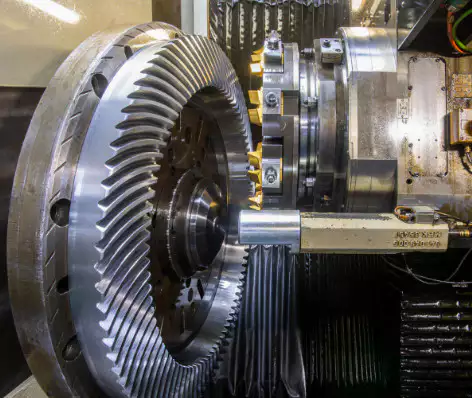
At our factory, we take pride in our commitment to quality, precision, and customer satisfaction. Here are some of our key advantages:
– Extensive Expertise: With years of experience in gear manufacturing, our team possesses in-depth knowledge and expertise in producing high-quality gears for various industries.
– Advanced Facilities: We have invested in advanced machinery and equipment that enable us to carry out the entire gear manufacturing process with utmost precision and efficiency.
– Customization Capabilities: We understand that each customer has unique requirements. That’s why we offer customization options to tailor our gears to specific applications, ensuring optimal performance.
– Quality Assurance: Our rigorous quality control procedures ensure that every gear leaving our factory meets the highest standards of quality and performance. We are dedicated to providing our customers with reliable and durable gears.
– Timely Delivery: We value our customers’ time and strive to deliver products within the agreed-upon deadlines. Our efficient production processes and streamlined logistics enable us to meet tight schedules.
– Competitive Pricing: While maintaining the highest quality standards, we aim to offer competitive pricing to make our gears accessible to a wide range of customers.
– Commitment to Customer Satisfaction: Our goal is to build long-term partnerships with our customers. We prioritize open communication, prompt response, and superior service to ensure complete customer satisfaction.
Author: Miya