How does gear deburring after manufacturing impact the durability of hypoid gears?
Introduction
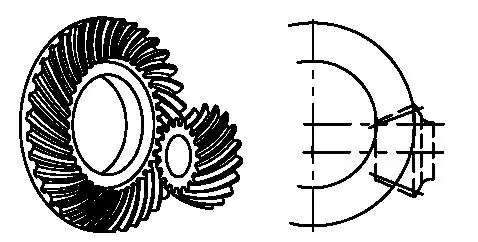
Gear deburring is a critical process in the manufacturing of hypoid gears that significantly impacts their durability. The removal of burrs and excess material from the gear teeth and surfaces plays a vital role in ensuring optimal performance and longevity of hypoid gears. This article delves into the various aspects of gear deburring and its direct influence on the durability of hypoid gears.
1. The Importance of Gear Deburring
Gear deburring is a crucial step in the manufacturing process of hypoid gears. It involves the meticulous removal of burrs, which are raised edges or rough surfaces left behind after the initial machining processes. The presence of burrs can lead to several detrimental effects on the durability of hypoid gears.
1.1 Burrs and Their Impact
Burrs can cause stress concentration points, leading to premature fatigue failure of hypoid gears. The irregularities on the gear teeth can result in increased friction, noise, and vibration during operation, negatively affecting the overall performance and lifespan of the gears.
1.2 Enhanced Durability through Gear Deburring
By effectively removing burrs, gear deburring optimizes the surface finish of hypoid gears. This, in turn, reduces frictional losses, minimizes wear, and enhances the load-carrying capacity of the gears. Gear deburring significantly contributes to the improved durability of hypoid gears, ensuring their reliable operation in various applications.
2. Gear Deburring Techniques
Several techniques are employed to achieve effective gear deburring after manufacturing. Each technique offers unique advantages and ensures the desired level of deburring quality.
2.1 Mechanical Deburring
Mechanical deburring involves the use of specialized tools such as brushes, files, or abrasive pads to physically remove burrs from the gear surfaces. This technique ensures precise deburring and allows for targeted removal of burrs without damaging the gear teeth.
2.2 Chemical Deburring
Chemical deburring utilizes chemical agents or solutions to dissolve or etch away burrs from the gear surfaces. This technique is particularly effective for complex gear geometries or hard-to-reach areas. Chemical deburring ensures thorough burr removal, leaving behind smooth and durable gear surfaces.
3. Benefits of Proper Gear Deburring
Adequate gear deburring plays a vital role in enhancing the durability of hypoid gears. The following benefits highlight the importance of implementing proper gear deburring techniques:
3.1 Reduced Friction and Wear
Effective removal of burrs reduces surface roughness, resulting in lower friction between gear teeth. This minimizes wear and extends the lifespan of hypoid gears, especially in high-load applications.
3.2 Enhanced Gear Performance
Gear deburring improves the overall performance of hypoid gears by eliminating irregularities and ensuring smooth gear operation. This leads to reduced noise, vibration, and heat generation, ultimately enhancing the gear’s efficiency and power transmission capabilities.
3.3 Increased Gear Lifespan
By eliminating stress concentration points and potential failure sites, gear deburring significantly extends the lifespan of hypoid gears. Proper deburring techniques help mitigate the risk of premature gear failure, improving the overall reliability and longevity of the gears.
Factory Introduction
We are a professional gear manufacturing factory specializing in the production of high-quality gears. Our state-of-the-art facility is equipped with advanced machinery and a skilled workforce, enabling us to deliver exceptional gear products to our clients worldwide.
Processing and Techniques
Our manufacturing process encompasses various steps to ensure the highest quality gears:
- Raw Material Preparation: We start by carefully preparing the raw material through forging and heat treatment processes, ensuring optimal material properties.
- Rough Machining: We perform turning, drilling, and boring operations to shape the gears and create the initial tooth geometry.
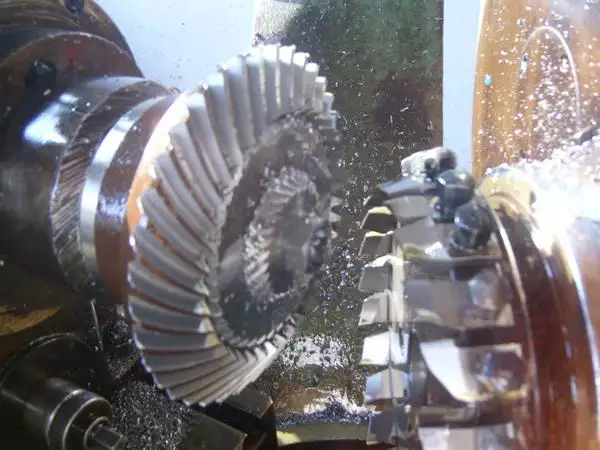
- Forming Process: Gear teeth are precisely formed using methods like gear hobbing, broaching, and shaving to achieve the desired gear profile.
- Semi-Finishing: The gears undergo processes such as chamfering, keyway machining, and deburring to eliminate any sharp edges and remove burrs for improved durability.
- Heat Treatment: We subject the gears to processes like carburizing, nitriding, or quenching and tempering to enhance their hardness, wear resistance, and core strength.
- Finishing: Gear teeth are finely ground or honed to achieve precise dimensions, smooth surfaces, and optimum tooth contact patterns.
- Inspection and Quality Assurance: We conduct thorough gear testing and inspection, including surface treatments, to ensure that all gears meet the highest quality standards.
Our comprehensive manufacturing process guarantees the production of durable and high-performance gears suitable for diverse industrial applications.
Advantages of Choosing Us
- Extensive experience in gear manufacturing industry
- Strict adherence to international quality standards
- Advanced machinery and technologies
- Highly skilled and dedicated workforce
- Customization options to meet specific requirements
- Efficient production processes for timely delivery
- Competitive pricing and excellent customer service
Partner with us for all your gear needs and experience unmatched quality and reliability.
Author: Miya