Can Spiral Gears be Used in Applications Requiring High Torque Transmission Capacity?
Introduction
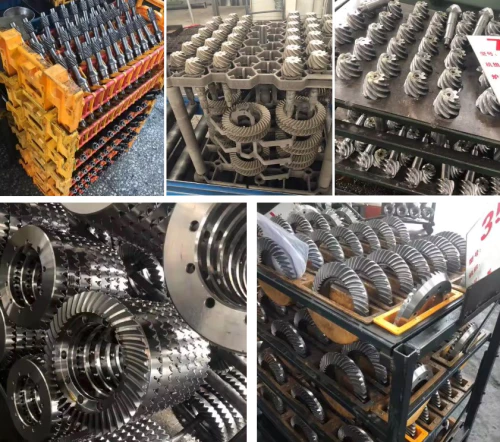
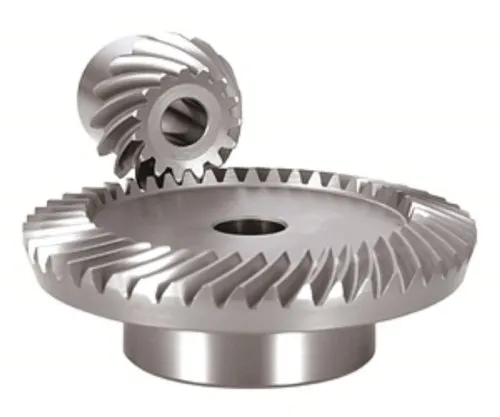
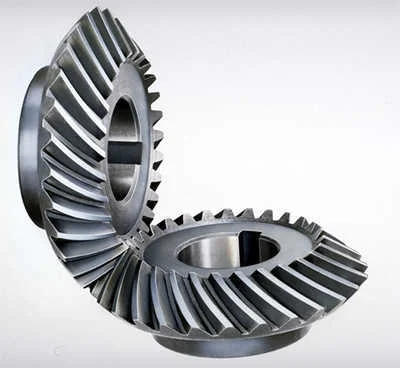
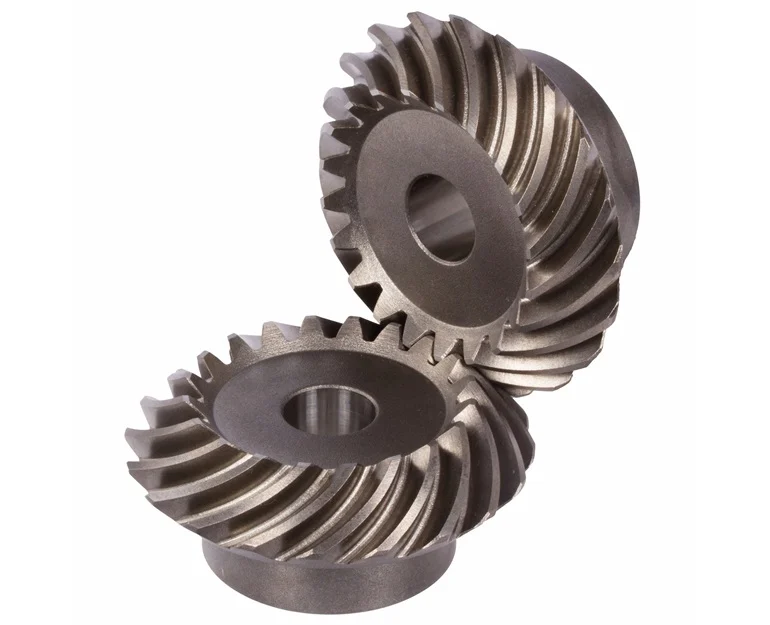
A spiral gear, also known as a spiral bevel gear, is a type of gear that has curved teeth instead of straight teeth. The tooth profile of a spiral gear is designed to form a spiral curve around the gear axis. This curved tooth profile allows for smoother and more gradual engagement between the mating gears, resulting in improved load distribution and reduced noise compared to straight-cut gears.
Advantages of Spiral Gears
- Increased Load Capacity: The curved tooth profile of spiral gears enables a larger contact area between the mating gears, allowing for higher load-carrying capacity and improved power transmission efficiency.
- Improved Efficiency: The gradual engagement of spiral gears results in reduced sliding friction and improved meshing efficiency. This leads to higher overall gear system efficiency, especially in applications with high-speed and high-torque requirements.
- Reduced Noise and Vibration: The spiral tooth profile of spiral gears helps in achieving smoother and quieter gear operation. The gradual contact between the teeth reduces impact and vibration, resulting in reduced noise levels compared to straight-cut gears.
- Better Load Distribution: The spiral tooth profile allows for a more uniform load distribution across the gear teeth. This helps in minimizing localized tooth stresses and improves the overall durability and reliability of the gear system.
- Enhanced Lubrication: The curved tooth profile of spiral gears facilitates better lubricant flow and retention between the teeth. This improves the lubrication effectiveness, reduces wear, and enhances the longevity of the gear system.
- Versatile Applications: Spiral gears can be used in a wide range of applications, including automotive transmissions, industrial machinery, marine propulsion systems, and aerospace applications. Their ability to handle high loads, high speeds, and varying operating conditions makes them suitable for diverse gear applications.
- Misalignment Tolerance: Spiral gears exhibit better tolerance to misalignment compared to some other gear types. The curved tooth profile allows for a certain degree of misalignment without compromising the gear’s performance and durability.
- Ease of Assembly: Spiral gears are relatively easier to assemble compared to other complex gear types, such as hypoid gears. This simplifies the manufacturing and assembly processes, leading to cost savings and improved production efficiency.
Working Principle
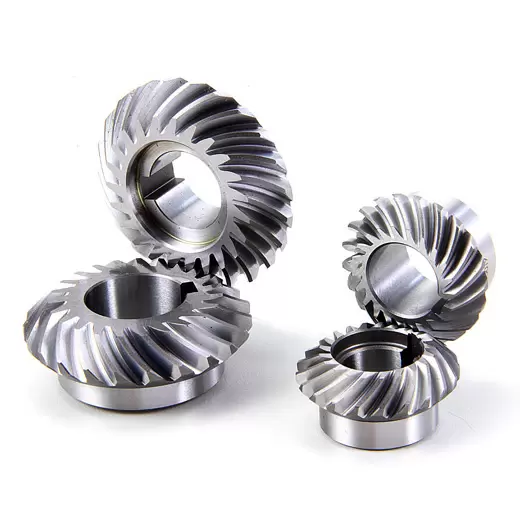
The working principle of spiral gears is based on the meshing of the curved teeth profiles. When two spiral gears come into contact, the curved teeth engage gradually, starting from the outer edge of the gears and moving towards the center. This gradual engagement reduces impact forces, minimizes sliding friction, and ensures smooth and efficient power transmission. The curved tooth profiles allow for a larger contact area, leading to improved load distribution, higher load capacity, and reduced wear. The spiral gears rotate in opposite directions and transfer torque and rotational motion between shafts that are perpendicular to each other.
Applications
- Industrial Machinery: Spiral gears find applications in various industrial machinery, including gearboxes, conveyors, and power transmission systems. They provide high torque transmission capacity and efficient power transfer.
- Automotive Industry: Spiral gears are used in automotive applications such as differential gears and transmission systems. They offer improved load-carrying capacity and better performance in high-torque situations.
- Robotics: Spiral gears are utilized in robotics for precise and efficient motion control. They help in transmitting power and torque in robotic joints and actuators.
- Medical Equipment: Spiral gears are employed in medical equipment such as surgical robots and imaging devices. They provide smooth and reliable power transmission in critical medical applications.
- Power Generation: Spiral gears are used in power generation systems, including wind turbines and generators. They enable efficient torque transmission and handle high loads in power generation applications.
- Agricultural Machinery: Spiral gears find applications in agricultural machinery such as tractors and harvesters. They provide robust torque transmission capabilities required for demanding agricultural operations.
- Aerospace Industry: Spiral gears are utilized in aerospace applications, including aircraft engines and landing gear systems. They offer high torque transmission and reliable power transfer in extreme operating conditions.
- Marine Propulsion: Spiral gears are employed in marine propulsion systems, including ship engines and thrusters. They provide efficient torque transmission and reliable performance in marine applications.
- Mining and Construction Equipment: Spiral gears are used in heavy-duty mining and construction equipment, such as excavators and bulldozers. They offer high load-carrying capacity and durability in demanding operating conditions.
Installation and Maintenance
Installation:
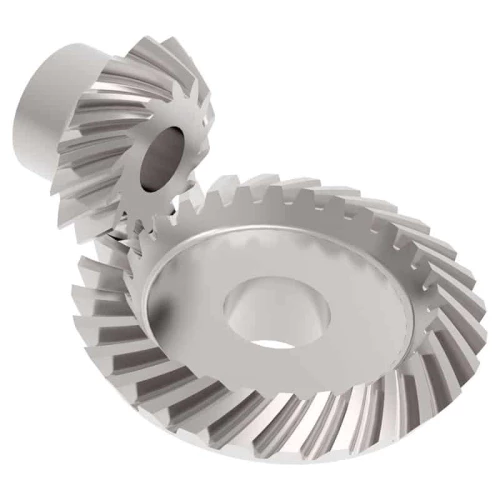
- Ensure Proper Alignment: Proper alignment of spiral gears is crucial for optimal performance. Ensure that the gears are aligned accurately during installation.
- Check Gear Clearances: Verify the appropriate clearance between the mating gears to prevent binding or excessive backlash.
- Lubrication: Apply the recommended lubricant to the gear teeth to ensure smooth operation and minimize wear.
- Torque Application: Apply the specified torque during gear installation to ensure proper engagement and load distribution.
Maintenance:
- Regular Inspection: Perform regular inspections to check for wear, damage, or any abnormalities in the gear system.
- Lubrication Maintenance: Follow the recommended lubrication schedule to maintain proper lubrication and prevent premature wear.
- Cleanliness: Keep the gear system clean and free from dirt, debris, and contaminants to prevent damage and ensure smooth operation.
- Check for Abnormal Noise or Vibration: Monitor the gear system for any abnormal noise or vibration, which may indicate a potential issue that needs attention.
- Gear Tooth Inspection: Inspect the gear teeth for signs of wear, pitting, or any other damage. Replace any worn or damaged gears promptly.
- Misalignment Correction: If misalignment is detected, take corrective measures to realign the gears and prevent further damage.
- Record Keeping: Maintain proper records of maintenance activities, including inspections, lubrication, and any repairs or replacements performed.
How to Select the Right Spiral Gear
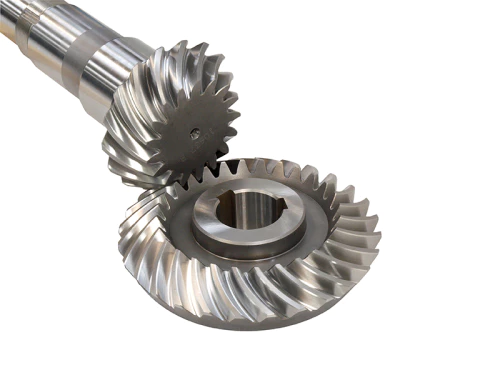
- Determine Application Requirements: Understand the specific requirements of the application, including load, speed, and operating conditions.
- Consider Gear Ratio: Evaluate the required gear ratio to ensure the desired torque transmission and rotational speed.
- Assess Load Capacity: Determine the maximum load capacity needed for the application and select a spiral gear that can handle the required load.
- Evaluate Speed Requirements: Consider the speed requirements of the application and choose a spiral gear that can operate within the desired speed range.
- Analyze Gear Size and Dimensions: Calculate the required gear size and dimensions based on the available space and application constraints.
- Assess Gear Material: Select the appropriate gear material based on factors such as strength, durability, and compatibility with the application environment.
- Evaluate Gear Quality and Accuracy: Ensure that the spiral gear meets the required quality standards and has the necessary accuracy for the application.
- Consider Noise and Vibration: Take into account the noise and vibration requirements of the application and choose a spiral gear that can minimize these factors.
- Review Cost Considerations: Consider the cost-effectiveness of the spiral gear, balancing the performance requirements with the available budget.
- Seek Expert Advice: Consult with gear experts or manufacturers to get professional guidance in selecting the most suitable spiral gear for the application.
About EVER POWER
Ever Power is a professional manufacturer of gears in China. Our products are exported to different countries such as Spain, the Netherlands, the United States, South Korea, Turkey, and Russia. We are committed to helping customers develop new products and solve technical and quality problems. With high-quality products, fair prices, and perfect services, we strive to meet the needs of our users.
At Ever Power, we adhere to the principles of quality first, timely delivery, and credit first. We treat every business partner sincerely and wholeheartedly welcome friends from the business community to cooperate with us to develop together and create brilliance.
Our product range includes various gear products such as Worm Gear, Spiral Bevel Gear, Helical Gear, Spur Gear, Plastic Gear, and Metric Gear Rack. We also offer customized gear solutions to meet specific customer requirements.
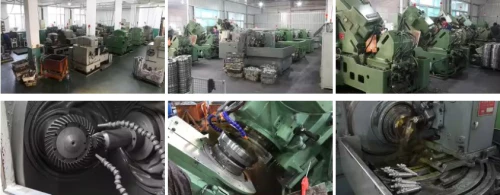
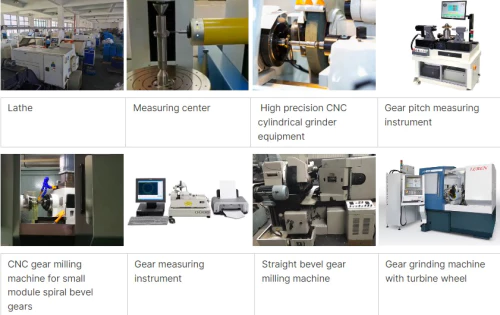
Ever Power has a strong presence in the industry, with hundreds of employees, including many engineers. We have a complete set of strict quality management systems and advanced production monitoring systems to ensure the quality and accuracy of our gears. Our competitive edge lies in our commitment to delivering high-quality products and excellent customer service.