What’s the best way to clean and protect the exterior of a final drive?
1. Why is it important to clean and protect the exterior of a final drive?
Final drive is a crucial component of heavy machinery, responsible for transmitting torque from the hydraulic motor to the wheels or tracks. The exterior of a final drive is constantly exposed to harsh environmental conditions, such as dust, mud, water, and debris, which can cause damage to the final drive and lead to premature failure. Therefore, it is essential to clean and protect the exterior of a final drive to ensure its proper function and longevity.
2. What are the best practices for cleaning the exterior of a final drive?
Before cleaning the final drive, make sure to turn off the engine and let the final drive cool down. Then, use a high-pressure washer or steam cleaner to remove any dirt, grime, or grease from the exterior of the final drive. Avoid using abrasive materials or harsh chemicals that can damage the seals, gaskets, or bearings of the final drive. After cleaning, wipe down the exterior of the final drive with a clean, dry cloth to remove any remaining moisture.
3. How can you protect the exterior of a final drive?
One of the best ways to protect the exterior of a final drive is to apply a high-quality coating or paint that is specifically designed for heavy machinery. These coatings are resistant to corrosion, abrasion, and UV rays, and can significantly extend the lifespan of the final drive. Additionally, you can install protective covers or guards on the final drive to prevent damage from rocks, sticks, or other debris.
4. How often should you clean and protect the exterior of a final drive?
The frequency of cleaning and protecting the exterior of a final drive depends on the operating conditions and the level of usage. In general, it is recommended to clean the final drive after each use and to apply a new coat of paint or coating every 6-12 months.
5. What are the consequences of neglecting to clean and protect the exterior of a final drive?
Neglecting to clean and protect the exterior of a final drive can lead to a range of issues, such as corrosion, rust, wear, and tear. These issues can cause the final drive to malfunction, reduce its efficiency, and ultimately lead to costly repairs or replacements.
6. Is there anything else you should know about cleaning and protecting the exterior of a final drive?
Yes, it is important to inspect the final drive regularly for any signs of damage or wear, such as leaks, cracks, or loose bolts. If you notice any issues, address them immediately to prevent further damage and ensure the proper function of the final drive.
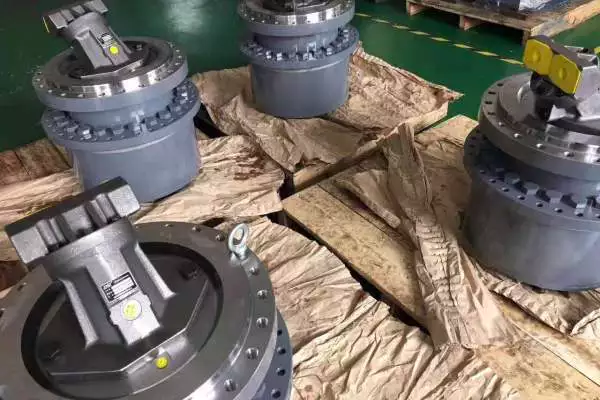
Installation guide for the final drive walking gearbox
The installation of the final drive walking gearbox requires careful attention to detail and adherence to the manufacturer’s guidelines. Before installation, make sure to check the compatibility of the final drive walking gearbox with the particular machine and application. Follow these steps for a successful installation:
1. Prepare the machine
Clean the mounting surface of the machine and remove any debris or obstacles that may interfere with the installation. Make sure that the machine is stationary and securely supported to prevent any accidents or injuries.
2. Position the final drive walking gearbox
Place the final drive walking gearbox in the desired location and align it with the mounting surface of the machine. Use a level and a straightedge to ensure that the final drive walking gearbox is properly aligned and oriented.
3. Secure the final drive walking gearbox
Tighten the mounting bolts or screws of the final drive walking gearbox according to the manufacturer’s torque specifications. Use a torque wrench and a thread-locking compound to prevent loosening or rattling of the bolts or screws.
4. Connect the hydraulic hoses and wires
Connect the hydraulic hoses and wires of the final drive walking gearbox to the corresponding ports and connectors of the machine. Use a sealing compound and a pressure gauge to ensure that the connections are tight and leak-free.

Application and usage of final drive in heavy machinery
The final drive is a critical component of heavy machinery, such as excavators, bulldozers, and loaders, responsible for transmitting torque from the hydraulic motor to the wheels or tracks. The final drive is typically located at the end of the drivetrain, close to the wheels or tracks, and consists of a set of gears, bearings, seals, and housing. The final drive is essential for the proper function and maneuverability of the machine, allowing it to move forward, backward, and turn in different directions.
Specific machine names and installation locations
The final drive is used in various types of heavy machinery, such as excavators, bulldozers, and loaders. The installation location of the final drive depends on the particular machine and application. For example, in excavators, the final drive is usually located at the end of the boom or arm, whereas in bulldozers and loaders, the final drive is typically located in the rear of the machine.
Function of final drive in heavy machinery
The final drive is responsible for transmitting torque from the hydraulic motor to the wheels or tracks, allowing the machine to move forward, backward, and turn in different directions. The final drive is also designed to withstand high loads, shocks, and vibrations, ensuring the proper function and longevity of the machine.
Daily maintenance and troubleshooting of final drive
Daily maintenance
- Check the oil level and quality of the final drive regularly
- Clean the exterior of the final drive after each use
- Inspect the final drive for any signs of damage or wear
- Replace the oil and filters of the final drive according to the manufacturer’s recommendations
Troubleshooting and solutions
- Problem: Leakage of oil from the final drive
- Solution: Check the seals and gaskets of the final drive and replace them if necessary
- Problem: Abnormal noise or vibration from the final drive
- Solution: Check the bearings and gears of the final drive and replace them if necessary
- Problem: Overheating of the final drive
- Solution: Check the oil level and quality of the final drive and replace it if necessary. Also, inspect the hydraulic system and cooling system of the machine to ensure proper function.
Overall, proper maintenance and care of the final drive can significantly extend its lifespan and ensure the proper function of the heavy machinery. Contact us today to learn more about how our products and services can benefit your business.
Author: Miya