Can I safely tow a trailer with a failing final drive?
Towing a trailer with a failing final drive is a risky proposition. The final drive is a critical component of the vehicle’s drivetrain, responsible for transmitting power from the transmission to the wheels. As such, any issues with the final drive can result in serious consequences, including the loss of power, control, and even accidents. In this article, we will explore the question of whether it is safe to tow a trailer with a failing final drive.
What is a final drive?
Before answering the question, it is important to understand what a final drive is. A final drive is a gearbox that is attached to the rear axle of a vehicle. It is responsible for transmitting the power from the transmission to the wheels while also providing a gear reduction to increase the torque. The final drive is a critical component of the vehicle’s drivetrain and must be maintained properly to ensure its proper operation.
10 reasons why towing a trailer with a failing final drive is not safe
- Loss of power
- Loss of control
- Increased wear and tear on other components
- Increased risk of accident
- Damage to the vehicle
- Reduced fuel efficiency
- Dangerous driving conditions
- Legal implications
- Increased repair costs
- Voided warranty
Each of these reasons is a serious concern and should be taken into account when considering towing a trailer with a failing final drive. Let’s take a closer look at each one.
Loss of power
A failing final drive can result in a loss of power to the wheels, making it difficult to tow a trailer. This can lead to potentially dangerous driving conditions, especially if the terrain is hilly or steep.
Loss of control
A failing final drive can also result in a loss of control of the vehicle, making it difficult to maneuver the trailer or maintain a steady speed. This can lead to unpredictable and potentially dangerous driving conditions.
Increased wear and tear on other components
When a final drive is failing, it can put increased strain on other components of the vehicle’s drivetrain, such as the transmission and engine. This can cause these components to wear out prematurely, resulting in costly repairs.
Increased risk of accident
Towing a trailer with a failing final drive increases the risk of accidents, especially if the driver is not familiar with the symptoms of a failing final drive. These symptoms can include grinding noises, whining sounds, and vibrations.
Damage to the vehicle
If the final drive fails completely while towing a trailer, it can cause damage to the vehicle and the trailer. This can result in costly repairs or even the need to replace the entire vehicle.
Reduced fuel efficiency
A failing final drive can also reduce the vehicle’s fuel efficiency, resulting in higher fuel costs. This is because the engine has to work harder to compensate for the loss of power and control.
Dangerous driving conditions
Towing a trailer with a failing final drive can create dangerous driving conditions, especially if the driver is not familiar with the symptoms of a failing final drive. These conditions can include loss of power, loss of control, and increased wear and tear on other components.
Legal implications
Towing a trailer with a failing final drive can also have legal implications. If an accident occurs as a result of a failing final drive, the driver may be held liable for damages or injuries.
Increased repair costs
If a final drive fails while towing a trailer, the repair costs can be significant. This is because the final drive is a critical component of the vehicle’s drivetrain and requires specialized knowledge and tools to repair.
Voided warranty
Towing a trailer with a failing final drive can also void the vehicle’s warranty. This is because the warranty typically only covers damage that is caused by normal wear and tear, not damage that is caused by towing a trailer with a failing final drive.
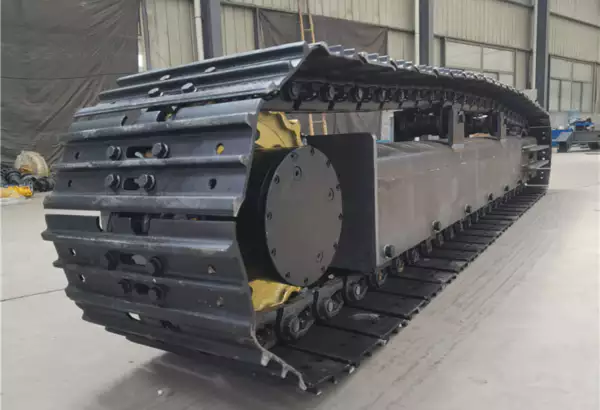
Installation guide for final drive
The installation of a final drive is a complex process that requires specialized knowledge and tools. The final drive must be installed correctly to ensure its proper operation and to prevent damage to other components of the vehicle’s drivetrain. Here are the steps for installing a final drive:
- Check the compatibility of the final drive with the vehicle’s drivetrain
- Remove the old final drive
- Clean the mounting surface
- Install the new final drive using the correct torque specifications
- Fill the final drive with the correct type and amount of oil
- Test the final drive for proper operation
It is important to follow these steps carefully to ensure the final drive is installed properly and to prevent damage to other components of the vehicle’s drivetrain.

Applications and use cases of final drive
The final drive is a critical component of many types of vehicles, including cars, trucks, and heavy machinery. It is typically located at the rear axle of the vehicle and is responsible for transmitting power from the transmission to the wheels. The final drive is used in a variety of applications and use cases, including:
- Construction equipment
- Mining equipment
- Agricultural equipment
- Transportation and logistics
- Off-road vehicles
- Racing and high-performance vehicles
Regardless of the application or use case, the final drive must be maintained properly to ensure its proper operation and longevity.
Daily maintenance and troubleshooting of final drive
Maintaining the final drive is critical to ensure its proper operation and longevity. Here are some tips for daily maintenance and troubleshooting:
- Check the oil level regularly and top up as needed
- Inspect the final drive for leaks, cracks, or damage
- Listen for any unusual noises or vibrations
- Check for any play or looseness in the final drive
- If any issues are found, have them addressed by a qualified technician immediately
By following these tips, the final drive can be kept in good condition and any issues can be identified and addressed before they become more serious.
Overall, towing a trailer with a failing final drive is not safe and can result in serious consequences. It is important to understand the risks and take steps to prevent damage to the vehicle and ensure the safety of all passengers and other drivers on the road.
If you need assistance with the installation, maintenance, or troubleshooting of your final drive, please contact us today. Our team of experts is here to help you with all of your final drive needs.
Author: Miya