The Difference Between Manual and Power-Assisted Rack and Pinion Steering
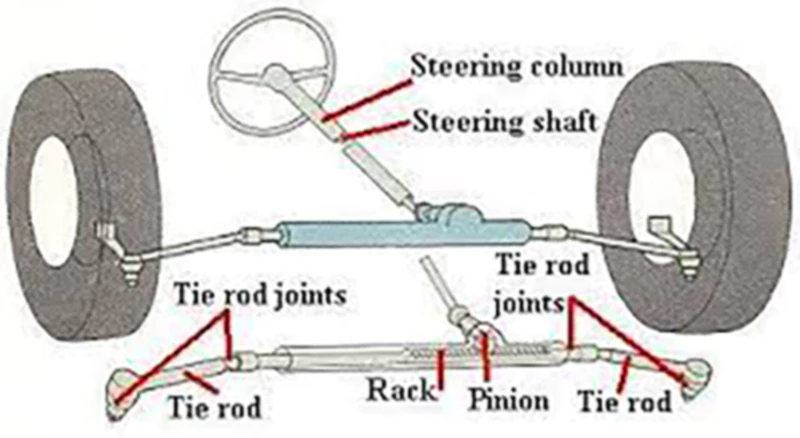
Rack and pinion steering is a type of steering mechanism commonly used in vehicles to control the direction of the front wheels. It involves the use of a rack, a long, straight bar with teeth, and a pinion gear. The rack is a linear component positioned horizontally and connected to the front wheels through tie rods. The pinion gear, which is a small gear, meshes with the teeth on the rack. The pinion gear is connected to the steering wheel via the steering column.
Advantages of Rack and Pinion Steering
1. Precise Steering Response
The rack and pinion mechanism provides precise steering response because the direct mechanical connection between the rack and the pinion gear ensures an immediate translation of steering wheel movements to the front wheels. This precision is especially important for high-performance and sports vehicles where sharp and accurate steering is crucial.
2. Compact Design
The compact design of rack and pinion steering systems makes them ideal for modern vehicle designs where space is at a premium. This system is more streamlined compared to traditional recirculating ball steering systems, allowing for better overall vehicle design and packaging.
3. Reduced Friction
Rack and pinion steering systems have fewer moving parts compared to other steering mechanisms, resulting in reduced friction and smoother operation. This can lead to a more comfortable driving experience and lower maintenance costs over the vehicle’s lifespan.
4. Easy Maintenance
Maintenance for rack and pinion steering systems is generally straightforward. The simplicity of the design means fewer components that can wear out or fail, making it easier to diagnose and repair any issues that may arise.
5. Cost-effectiveness
Due to their simpler design and fewer components, rack and pinion steering systems are typically more cost-effective to produce and maintain than other types of steering systems. This cost-efficiency is passed on to consumers, making vehicles more affordable.
6. Durability
Rack and pinion steering systems are known for their durability. The direct mechanical design ensures long-lasting performance, and with proper maintenance, these systems can operate efficiently over many years and miles.
7. Environmental Benefits
The efficiency and compactness of rack and pinion steering contribute to better fuel efficiency for vehicles. Reduced weight and improved mechanical efficiency mean that less energy is required to operate the steering system, thereby lowering the vehicle’s overall fuel consumption and environmental impact.

Working Principle of Rack and Pinion Steering
1. The Steering Wheel
The steering wheel is the driver’s interface for controlling the direction of the vehicle. When the driver turns the steering wheel, it transmits force and rotational motion through the steering column to the pinion gear.
2. The Steering Column
The steering column connects the steering wheel to the pinion gear. It acts as a conduit for the rotational motion generated by the driver and transfers it to the pinion gear.
3. The Pinion Gear
The pinion gear is a small gear that meshes with the teeth on the rack. As the steering column rotates, the pinion gear turns and moves the rack horizontally, translating the rotational motion into linear motion.
4. The Rack
The rack is a long, straight bar with teeth that the pinion gear engages. As the pinion gear turns, it moves the rack to the left or right, which in turn moves the tie rods and adjusts the angle of the front wheels.
5. The Tie Rods
Tie rods are connected to both ends of the rack and to the steering knuckles. They transfer the movement of the rack to the steering knuckles, enabling the wheels to pivot and change direction.
6. The Steering Knuckles
The steering knuckles are the pivot points for the front wheels. They receive input from the tie rods and allow the wheels to turn left or right based on the driver’s input.
7. Turning the Wheels
When the driver turns the steering wheel, the entire system works in unison to pivot the front wheels. This movement directs the vehicle along the desired path.
8. Power Steering
Power-assisted rack and pinion steering systems incorporate a power steering pump and hydraulic fluid to reduce the effort required by the driver to turn the steering wheel. This system uses hydraulic pressure to assist in moving the rack, making steering easier, especially at lower speeds.

Applications of Rack and Pinion Steering
1. Passenger Cars
Rack and pinion steering is widely used in passenger cars due to its precision and ease of maintenance. It provides a responsive and direct steering feel, enhancing the driving experience for everyday commuters.
2. Trucks and SUVs
Trucks and SUVs benefit from the durability and robustness of rack and pinion steering systems. These vehicles often encounter varying driving conditions, and the reliable performance of these systems is essential for safety and control.
3. Buses
Buses require reliable steering systems to ensure passenger safety and comfort. Rack and pinion systems offer the necessary precision and control, making them a suitable choice for public transportation vehicles.
4. Motorcycles
While less common in motorcycles, some specialized bikes utilize rack and pinion steering mechanisms for enhanced stability and control, particularly in racing or high-performance applications.
5. Off-Road Vehicles
Off-road vehicles demand robust and durable steering systems to handle rough terrains. Rack and pinion steering provides the necessary durability and precision for these demanding environments.
6. Heavy-Duty Vehicles
Heavy-duty vehicles, such as construction and agricultural machinery, benefit from the straightforward and durable design of rack and pinion steering systems. These systems ensure reliable operation under heavy loads and harsh conditions.


Installation and Maintenance
Installation
1. Select the Right System
Choose a rack and pinion steering system that is compatible with your vehicle’s specifications and requirements.
2. Prepare the Vehicle
Ensure the vehicle is securely lifted and stable before beginning the installation process.
3. Remove the Old Steering System
Carefully remove the existing steering components, taking note of their arrangement for reference during installation.
4. Mount the Rack
Install the new rack securely in place, ensuring it is properly aligned with the vehicle’s chassis.
5. Connect the Steering Column
Attach the steering column to the pinion gear, ensuring a secure and precise connection.
6. Install Tie Rods and Linkages
Connect the tie rods and any other necessary linkages, making sure they are properly adjusted and secure.
7. Check Clearances and Interferences
Verify that all components have adequate clearance and that there are no interferences with other parts of the vehicle.
Maintenance
1. Regular Inspections
Perform routine inspections of the steering system to identify any signs of wear or damage early.
2. Fluid Level and Quality
For power-assisted systems, regularly check the power steering fluid level and quality, topping off or replacing as necessary.
3. Lubrication
Ensure that all moving parts are properly lubricated to reduce friction and prevent wear.
4. Wheel Alignment
Maintain proper wheel alignment to ensure the steering system operates efficiently and to prevent uneven tire wear.
5. Address Issues Promptly
Immediately address any issues such as unusual noises or changes in steering feel to prevent further damage.
6. Professional Servicing
Have the steering system professionally serviced at regular intervals to ensure optimal performance and longevity.

Common Problems and Solutions
1. Leakage of Power Steering Fluid
Inspect the power steering system for leaks and replace any damaged seals or hoses. Ensure the fluid is at the correct level.