Rack and Pinion Steering System: Safety Standards and Regulations
Rack and Pinion Steering System: Safety Standards and Regulations
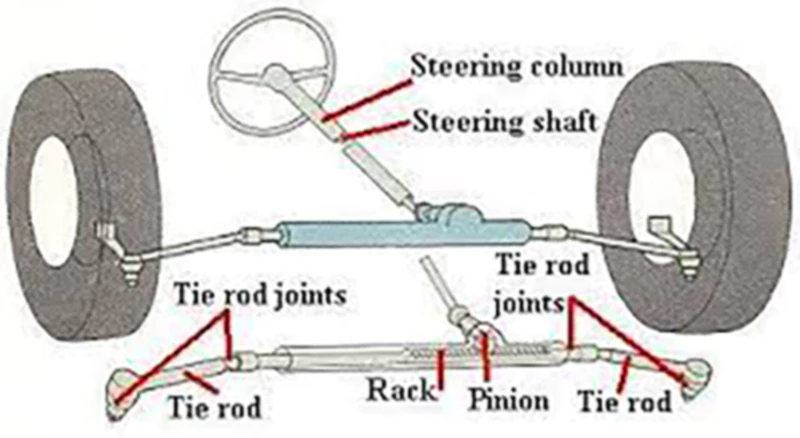
Rack and pinion steering is a type of steering mechanism commonly used in vehicles to control the direction of the front wheels. It involves the use of a rack, a long, straight bar with teeth, and a pinion gear. The rack is a linear component positioned horizontally and connected to the front wheels through tie rods. The pinion gear, which is a small gear, meshes with the teeth on the rack. The pinion gear is connected to the steering wheel via the steering column.
Advantages of Rack and Pinion Steering System
1. Precise Steering Response
The rack and pinion steering system offers precise and responsive steering control. This precision stems from the direct connection between the steering wheel and the wheels via the rack and pinion mechanism. Drivers can enjoy a more accurate and immediate response to their inputs, which enhances the overall driving experience and provides better handling, particularly in sharp turns and cornering situations.
2. Compact Design
One of the standout features of the rack and pinion steering system is its compact design. The simplicity of the mechanism allows for easier integration into vehicle designs, saving valuable space within the engine compartment. This compactness not only reduces the vehicle’s overall weight but also contributes to better fuel efficiency and performance.
3. Reduced Friction
The rack and pinion steering system is designed to minimize friction between the moving parts. The pinion gear smoothly meshes with the rack, reducing wear and tear over time. This reduction in friction leads to a more durable system with lower maintenance needs, enhancing the longevity of the steering mechanism.
4. Easy Maintenance
Maintenance of the rack and pinion steering system is relatively straightforward. The design allows for easy access to critical components, making inspections, repairs, and part replacements more convenient. This ease of maintenance helps vehicle owners maintain optimal steering performance without significant time or cost investments.
5. Cost-effectiveness
The rack and pinion steering system is known for its cost-effectiveness. Its simple design and fewer components compared to other steering mechanisms make it an economical choice for both manufacturers and consumers. The lower production and maintenance costs contribute to the overall affordability of vehicles equipped with this system.
6. Durability
Durability is a key advantage of the rack and pinion steering system. The robust construction of the rack and pinion components ensures they can withstand the rigors of daily driving. This durability translates into a longer lifespan for the steering system, providing reliable performance over the life of the vehicle.
7. Environmental Benefits
The rack and pinion steering system also offers environmental benefits. Its efficient design leads to reduced energy consumption, which can contribute to lower emissions and better fuel economy. Additionally, the system’s long-lasting nature means fewer components need to be replaced, reducing the overall environmental impact of manufacturing and disposing of parts.
Working Principle of Rack and Pinion Steering System
1. The Steering Wheel
The driver initiates the steering process by turning the steering wheel. This action sets off a chain reaction within the steering system, beginning with the steering column.
2. The Steering Column
The steering column transmits the rotational motion from the steering wheel to the pinion gear. It serves as the connecting link between the driver¡¯s input and the mechanical components of the steering system.
3. The Pinion Gear
The pinion gear, attached to the end of the steering column, rotates in response to the steering wheel’s movement. This gear meshes with the teeth on the rack, converting rotational motion into linear motion.
4. The Rack
The linear motion of the rack moves it side-to-side, which in turn moves the tie rods connected to it. The rack¡¯s movement directly influences the direction of the front wheels.
5. The Tie Rods
The tie rods transfer the linear motion from the rack to the steering knuckles. They play a critical role in ensuring precise and responsive steering by accurately translating the rack¡¯s movement to the wheels.
6. The Steering Knuckles
The steering knuckles pivot on their axis in response to the force exerted by the tie rods. This pivoting action changes the direction of the front wheels, allowing the vehicle to turn.
7. Turning the Wheels
As the wheels turn, the vehicle changes direction following the driver¡¯s input. The entire process from steering wheel to wheel turn is seamless and precisely controlled by the rack and pinion steering system.
8. Power Steering
Many modern vehicles incorporate power steering to assist the driver. This system uses hydraulic or electric actuators to reduce the effort required to turn the steering wheel, making it easier to maneuver the vehicle, especially at low speeds.
Applications of Rack and Pinion Steering System
1. Passenger Cars
Rack and pinion steering systems are widely used in passenger cars due to their efficiency, compact design, and precise handling. They enhance the driving experience by providing smooth and responsive steering control.
2. Trucks and SUVs
Trucks and SUVs benefit from the durability and reliability of the rack and pinion steering system. These vehicles require robust steering systems to handle heavier loads and challenging driving conditions, making rack and pinion an ideal choice.
3. Buses
Buses utilize rack and pinion steering systems to ensure safe and reliable transportation of passengers. The system’s precise steering response helps in maneuvering large vehicles through tight city streets and highways.
4. Motorcycles
In motorcycles, the rack and pinion steering system provides precise control, which is crucial for maintaining stability and safety, especially at high speeds and during sharp turns.
5. Off-Road Vehicles
Off-road vehicles are equipped with rack and pinion steering systems to handle rugged terrains and harsh driving conditions. The system¡¯s durability and reliability ensure consistent performance in off-road adventures.
6. Heavy-Duty Vehicles
Heavy-duty vehicles require robust steering systems capable of handling extreme loads and demanding environments. The rack and pinion system¡¯s design and durability make it suitable for such applications.
Installation and Maintenance of Rack and Pinion Steering System
Installation
1. Select the Right System
Choose a rack and pinion steering system compatible with your vehicle’s specifications. Consider factors such as vehicle type, steering requirements, and compatibility with other components.
2. Prepare the Vehicle
Ensure the vehicle is safely lifted and supported. Remove any components obstructing access to the existing steering system, such as the wheels and splash shields.
3. Remove the Old Steering System
Carefully disconnect the old steering system, including the tie rods, steering column, and mounting brackets. Remove the system from the vehicle, taking note of the arrangement for reference during installation.
4. Mount the Rack
Position the new rack in place, aligning it with the vehicle¡¯s mounting points. Secure it using the appropriate brackets and fasteners, ensuring it is firmly attached.
5. Connect the Steering Column
Attach the steering column to the pinion gear, ensuring a secure and precise connection. Verify that the steering wheel movement translates accurately to the pinion gear.
6. Install Tie Rods and Linkages
Connect the tie rods and linkages to the rack and the steering knuckles. Ensure all connections are tight and secure to maintain steering accuracy.
7. Check Clearances and Interferences
Inspect the system for any potential clearances or interferences. Ensure all components move freely without obstruction to prevent issues during operation.
Maintenance
1. Regular Inspections
Conduct regular inspections of the steering system to identify any signs of wear or damage. Early detection helps prevent major issues and ensures optimal performance.
2. Fluid Level and Quality
Check the power steering fluid levels and quality regularly. Low or contaminated fluid can affect the system¡¯s performance and lead to premature wear.
3. Lubrication
Ensure all moving parts are adequately lubricated. Proper lubrication reduces friction and wear, extending the lifespan of the steering system components.
4. Wheel Alignment
Maintain proper wheel alignment to prevent uneven tire wear and ensure smooth steering. Misalignment can lead to steering issues and reduced handling performance.
5. Address Issues Promptly
Address any steering system issues promptly. Ignoring problems can lead to
Rack and Pinion Steering System Environmental Impact Mitigation Strategies
Rack and Pinion Steering System Environmental Impact Mitigation Strategies
Rack and pinion steering is a type of steering mechanism commonly used in vehicles to control the direction of the front wheels. It involves the use of a rack, a long, straight bar with teeth, and a pinion gear. The rack is a linear component positioned horizontally and connected to the front wheels through tie rods. The pinion gear, which is a small gear, meshes with the teeth on the rack. The pinion gear is connected to the steering wheel via the steering column.
Advantages of Rack and Pinion Steering System
Precise Steering Response
One of the foremost advantages of the rack and pinion steering system is its precise steering response. The direct connection between the steering wheel and the wheels of the vehicle ensures immediate feedback and control. This results in a more coherent and intuitive driving experience, which is especially noticeable during sharp turns and high-speed maneuvers.
Compact Design
The compact design of the rack and pinion steering system is another significant benefit. It allows for more effective use of space within the vehicle’s engine compartment, contributing to a lighter and more efficient vehicle design. The simplicity of its layout also means fewer components, which can reduce potential points of failure.
Reduced Friction
Reduced friction is a key characteristic of the rack and pinion steering system. The direct gear-teeth engagement minimizes energy losses that typically occur in more complex steering mechanisms. This translates to smoother operation and less strain on the steering components, which can enhance the overall longevity of the system.
Easy Maintenance
Maintenance of a rack and pinion steering system is generally straightforward and less labor-intensive. The fewer number of moving parts means that there are fewer components that can wear out or require adjustment. When maintenance is necessary, the design allows for easier access and replacement of parts.
Cost-effectiveness
The rack and pinion steering system is cost-effective, both in terms of initial installation and ongoing maintenance. The simplicity of its design reduces manufacturing costs, and the durability of its components means fewer replacements over the lifetime of the vehicle. This makes it a popular choice for a wide range of vehicle types.
Durability
Durability is a hallmark of the rack and pinion steering system. The robust construction of the rack and pinion components can withstand significant wear and tear, making it reliable over long periods of use. This durability ensures consistent performance and reduces the likelihood of steering-related failures.
Environmental Benefits
Environmental benefits are increasingly important in modern vehicle design. The rack and pinion steering system’s efficiency means less energy is wasted, which can contribute to better fuel economy. Additionally, the reduced number of parts and simpler manufacturing process can lessen the environmental impact of producing these systems.
How Rack and Pinion Steering Works
The Steering Wheel
The steering process begins with the steering wheel, which the driver uses to input directional changes. The wheel’s rotation is transmitted through the steering column to the pinion gear.
The Steering Column
The steering column connects the steering wheel to the pinion gear. This column is crucial for transmitting the rotational force from the driver to the rack and pinion system.
The Pinion Gear
The pinion gear, attached to the end of the steering column, engages with the teeth on the rack. As the steering wheel turns, the pinion gear rotates, moving the rack sideways.
The Rack
The rack is a long, straight bar with teeth that mesh with the pinion gear. The linear movement of the rack translates the rotational input from the steering wheel into lateral motion, which is then transmitted to the tie rods.
The Tie Rods
Tie rods are connected to both ends of the rack. These rods extend to the steering knuckles, which are attached to the front wheels. The movement of the rack pushes or pulls the tie rods, altering the angle of the wheels.
The Steering Knuckles
The steering knuckles pivot on their respective ball joints, allowing the wheels to turn. The tie rods’ movement manipulates these knuckles, enabling the steering function.
Turning the Wheels
The entire process of turning the wheels involves a seamless transfer of motion from the steering wheel, through the column, pinion gear, rack, and tie rods, culminating in the steering knuckles’ movement.
Power Steering
Modern vehicles often incorporate power steering to aid in turning the wheels. This system uses hydraulic or electric actuators to reduce the physical effort required by the driver, making steering easier and more efficient.
Applications of Rack and Pinion Steering
Passenger Cars
Rack and pinion steering systems are widely used in passenger cars due to their precise steering and compact design, providing drivers with a responsive and enjoyable driving experience.
Trucks and SUVs
Trucks and SUVs benefit from the robust and reliable nature of rack and pinion steering systems, which can handle the demands of heavier vehicles and off-road conditions.
Buses
In buses, rack and pinion systems provide the necessary durability and ease of steering required for large vehicles that frequently operate in urban environments with tight turns.
Motorcycles
Although less common, some motorcycles use rack and pinion steering for its precise control and reliability, particularly in custom or high-performance applications.
Off-Road Vehicles
Off-road vehicles utilize rack and pinion steering systems for their robustness and ability to handle rough terrain, providing drivers with the control needed in challenging environments.
Heavy-Duty Vehicles
Heavy-duty vehicles, such as construction equipment, rely on rack and pinion systems for their durability and ability to handle the high stresses associated with heavy loads and demanding work conditions.
Installation and Maintenance of Rack and Pinion Steering Systems
Installation
Select the Right System
Choosing the appropriate rack and pinion steering system is crucial for optimal performance and compatibility with your vehicle.
Prepare the Vehicle
Before installation, ensure that the vehicle is properly prepared, including lifting it and securing it on jack stands.
Remove the Old Steering System
Carefully remove the existing steering system, taking note of connections and components for reference during installation.
Mount the Rack
Install the new rack, ensuring that it is securely mounted and aligned with the vehicle’s chassis.
Connect the Steering Column
Attach the steering column to the pinion gear, making sure that the connection is tight and properly aligned.
Install Tie Rods and Linkages
Connect the tie rods and other linkages to the rack, ensuring that all connections are secure and properly adjusted.
Check Clearances and Interferences
Verify that there are no interferences or clearance issues, making necessary adjustments to ensure smooth operation.
Maintenance
Regular Inspections
Conduct regular inspections of the steering system to identify and address any potential issues early.
Fluid Level and Quality
Check and maintain the fluid levels and quality in hydraulic power steering systems to ensure proper operation.
Lubrication
Ensure that all moving parts are properly lubricated to reduce friction and wear.
Wheel Alignment
Regularly check and adjust wheel alignment to prevent uneven tire wear and ensure optimal steering performance.
Address Issues Promptly
Promptly address any issues that arise, such as leaks or unusual noises, to prevent further damage.
Professional Servicing
Seek professional servicing for complex repairs or maintenance tasks to ensure that the steering system remains in top condition.
Common Issues and Solutions in Rack and Pinion Steering Systems
Leakage of Power Steering Fluid
Leaks can occur in the hydraulic lines or seals, leading to reduced performance. Regularly check for and address leaks by replacing damaged components.
Excessive Play or Loose Steering
Excessive play in the steering can result from worn components. Inspect and replace worn tie rods, bushings, or the rack itself to restore proper steering control.
Stiff or Hard-to-Turn Steering
Stiff steering may be caused by low power steering fluid, a damaged pump, or obstructions. Check fluid levels and inspect the system for any blockages or damage.
Uneven Tire Wear
Uneven tire wear can indicate alignment issues or worn steering components. Regularly check and align wheels, and replace worn parts as needed.
Strange Noises or Vibrations
Noises or vibrations during steering can be indicative of worn or damaged components. Inspect the system for signs of wear and replace any damaged parts promptly.
Difficulty Steering at Low Speeds
Difficulty steering at low speeds can be caused by a failing power steering pump or low fluid levels. Inspect and maintain the power steering system to ensure smooth
Rack and Pinion Steering System Reliability Enhancement Measures
Rack and Pinion Steering System Reliability Enhancement Measures
Rack and pinion steering is a type of steering mechanism commonly used in vehicles to control the direction of the front wheels. It involves the use of a rack, a long, straight bar with teeth, and a pinion gear. The rack is a linear component positioned horizontally and connected to the front wheels through tie rods. The pinion gear, which is a small gear, meshes with the teeth on the rack. The pinion gear is connected to the steering wheel via the steering column.
Advantages of Rack and Pinion Steering System
1. Precise Steering Response
The rack and pinion steering system offers a highly precise steering response, making it easier for drivers to control their vehicles accurately. The direct link between the rack and the pinion gear ensures minimal play and a more responsive feel, which is particularly beneficial in performance and high-speed driving situations. This precision enhances overall driving safety and maneuverability.
2. Compact Design
The compact design of the rack and pinion steering system is one of its standout features. Unlike traditional steering mechanisms that are bulkier, the space-efficient structure allows for more flexibility in vehicle design. This compactness contributes to a reduction in overall vehicle weight, which can improve fuel efficiency and handling.
3. Reduced Friction
One of the key advantages of the rack and pinion steering system is its ability to reduce friction. The meshing of the pinion gear with the teeth on the rack creates a smooth and efficient transfer of motion. This reduced friction not only improves the steering feel but also contributes to the longevity and reliability of the steering components.
4. Easy Maintenance
Maintaining a rack and pinion steering system is relatively straightforward. The simplicity of its design means that fewer components are prone to wear and tear. Additionally, routine inspections and adjustments can be carried out with ease, making it a cost-effective choice for long-term vehicle maintenance.
5. Cost-effectiveness
The rack and pinion steering system is a cost-effective solution for many vehicle manufacturers. Its straightforward design and efficient manufacturing process contribute to lower production costs. For consumers, this can translate to more affordable vehicle prices without compromising on performance or safety.
6. Durability
Durability is a significant advantage of the rack and pinion steering system. The robust construction of the rack and pinion components ensures they can withstand the rigors of daily driving, including rough terrain and harsh weather conditions. This durability enhances the overall reliability and lifespan of the steering system.
7. Environmental Benefits
The rack and pinion steering system also offers environmental benefits. Its lightweight and efficient design contribute to improved fuel efficiency, reducing the vehicle’s carbon footprint. Additionally, the use of fewer materials and simpler manufacturing processes can result in reduced environmental impact during production.
Working Principle of Rack and Pinion Steering System
1. The Steering Wheel
The journey of steering starts with the steering wheel. When the driver turns the steering wheel, it initiates the motion that is transferred to the steering column. This initial input is crucial as it sets the entire steering mechanism in motion.
2. The Steering Column
The steering column serves as the bridge between the steering wheel and the pinion gear. It transmits the rotational motion from the steering wheel to the pinion gear, ensuring that the driver’s inputs are accurately conveyed to the steering mechanism.
3. The Pinion Gear
The pinion gear is a small but vital component in the system. As the steering column turns, it rotates the pinion gear. This gear meshes with the teeth on the rack, converting the rotational motion into linear motion, which is necessary for steering the wheels.
4. The Rack
The rack is a long, straight bar with teeth that engage with the pinion gear. The linear motion of the rack is directly responsible for turning the front wheels of the vehicle. This motion is smooth and precise, ensuring accurate steering control.
5. The Tie Rods
The tie rods are connected to the ends of the rack and extend to the steering knuckles. They play a crucial role in transmitting the linear motion of the rack to the steering knuckles, enabling the wheels to turn accordingly.
6. The Steering Knuckles
The steering knuckles are pivotal components that connect the tie rods to the wheels. They facilitate the turning motion of the wheels, ensuring that the vehicle responds appropriately to the driver’s steering inputs.
7. Turning the Wheels
As the driver turns the steering wheel, the combined motion of the steering column, pinion gear, rack, and tie rods results in the turning of the wheels. This coordinated movement ensures that the vehicle navigates in the desired direction.
8. Power Steering
Many modern vehicles are equipped with power steering systems, which assist the driver in turning the steering wheel with less effort. Power steering systems use hydraulic or electric mechanisms to amplify the driver’s inputs, making steering easier and more efficient.
Applications of Rack and Pinion Steering System
1. Passenger Cars
Rack and pinion steering systems are widely used in passenger cars due to their precision and ease of maintenance. They provide a responsive and smooth steering experience, making them ideal for everyday driving.
2. Trucks and SUVs
Trucks and SUVs benefit from the durability and reliability of rack and pinion steering systems. These vehicles often face challenging driving conditions, and the robust design of the rack and pinion system ensures consistent performance.
3. Buses
Buses, which require precise steering control for safe operation, also utilize rack and pinion steering systems. The compact design and reduced friction of these systems make them suitable for large vehicles that need reliable steering.
4. Motorcycles
Motorcycles, although different in design, can also employ rack and pinion steering mechanisms for enhanced control. The compact nature of these systems is advantageous for motorcycles, where space and weight are critical factors.
5. Off-Road Vehicles
Off-road vehicles demand steering systems that can handle rough and unpredictable terrain. Rack and pinion steering systems provide the necessary durability and precision, making them a popular choice for off-road applications.
6. Heavy-Duty Vehicles
Heavy-duty vehicles, such as construction equipment and industrial machinery, rely on robust steering systems for safe and efficient operation. Rack and pinion systems offer the required strength and reliability for these demanding applications.
Installation and Maintenance
Installation
1. Select the Right System
Choosing the appropriate rack and pinion steering system for your vehicle is the first step. Ensure that the specifications match the vehicle’s requirements for optimal performance.
2. Prepare the Vehicle
Before installation, prepare the vehicle by securing it on a lift and removing any components that may obstruct access to the steering system. This ensures a smooth and efficient installation process.
3. Remove the Old Steering System
Carefully remove the existing steering system, including the steering column, tie rods, and any associated components. Follow manufacturer guidelines to avoid damaging other parts of the vehicle.
4. Mount the Rack
Position the new rack in place and secure it using the provided mounting brackets. Ensure that the rack is aligned correctly to avoid any issues during operation.
5. Connect the Steering Column
Attach the steering column to the pinion gear, ensuring a secure connection. This step is crucial for accurate transmission of steering inputs from the driver to the rack and pinion system.
6. Install Tie Rods and Linkages
Connect the tie rods and linkages to the rack and the steering knuckles. Make sure all connections are tight and properly aligned to prevent any steering issues.
7. Check Clearances and Interferences
Once everything is installed, double-check all clearances and ensure there are no interferences with other vehicle components. This step is essential to ensure the smooth operation of the steering system.
Maintenance
1. Regular Inspections
Perform regular inspections of the steering system to identify any signs of wear or damage. Early detection of issues can prevent major problems and ensure the longevity of the system.
2. Fluid Level and Quality
Check the power steering fluid level and quality regularly. Low or contaminated fluid can affect the performance of the power steering system, leading to steering difficulties.
3. Lubrication
Ensure that all moving parts of the steering system are properly lubricated.
Rack and pinion steering is a type of steering mechanism commonly used in vehicles to control the direction of the front wheels. It involves the use of a rack, a long, straight bar with teeth, and a pinion gear. The rack is a linear component positioned horizontally and connected to the front wheels through tie rods. The pinion gear, which is a small gear, meshes with the teeth on the rack. The pinion gear is connected to the steering wheel via the steering column.
Advantages
1. Precise Steering Response
The rack and pinion steering system offers a high level of precision, allowing drivers to have a direct and immediate connection to the direction of the wheels. The linear motion of the rack translates the rotational input from the steering wheel into an accurate and predictable movement of the front wheels. This precision is crucial for performance driving and helps improve the overall handling of the vehicle.
2. Compact Design
The rack and pinion mechanism is known for its compact design, making it ideal for modern vehicles where space is often at a premium. Unlike more complex steering systems, the rack and pinion setup requires fewer parts and occupies less space under the hood. This compactness also contributes to weight reduction, which can enhance vehicle efficiency and performance.
3. Reduced Friction
The simplicity of the rack and pinion design results in reduced friction between moving parts, leading to smoother steering action. This reduction in friction not only makes the steering more responsive but also contributes to the longevity of the steering components. Over time, lower friction means less wear and tear, reducing the need for frequent maintenance.
4. Easy Maintenance
Rack and pinion steering systems are relatively easy to maintain compared to other types of steering mechanisms. The straightforward design allows for easier access to components, simplifying inspection, lubrication, and repairs. Regular maintenance tasks such as checking and replacing tie rods or adjusting the alignment can be performed without extensive disassembly.
5. Cost-effectiveness
The cost-effectiveness of rack and pinion steering systems is another significant advantage. Due to their simpler construction and fewer moving parts, these systems are generally less expensive to manufacture and repair. This cost efficiency makes rack and pinion steering a popular choice for manufacturers and end-users alike.
6. Durability
Rack and pinion steering systems are known for their durability. The robust construction and straightforward mechanics mean that these systems can withstand the rigors of daily driving and offer a long service life. When properly maintained, rack and pinion systems can remain reliable and efficient for the lifespan of the vehicle.
7. Environmental Benefits
With their reduced weight and enhanced efficiency, rack and pinion steering systems can contribute to better fuel economy. This improved efficiency results in lower emissions and a smaller environmental footprint. Additionally, the use of fewer materials in the construction of these systems aligns with sustainability goals in automotive manufacturing.
Working Principle
1. The Steering Wheel
The driver’s input begins at the steering wheel. When the driver turns the steering wheel, it initiates the steering process by transmitting rotational motion through the steering column.
2. The Steering Column
The steering column connects the steering wheel to the pinion gear. It serves as the conduit for the driver¡¯s inputs, converting the rotational motion of the wheel into mechanical force that acts on the pinion gear.
3. The Pinion Gear
The pinion gear is a small, toothed gear that engages with the teeth on the rack. As the steering column rotates the pinion gear, it translates this motion into linear movement along the rack.
4. The Rack
The rack is a straight, toothed bar that moves horizontally in response to the rotation of the pinion gear. The linear motion of the rack pushes or pulls the tie rods, which in turn, move the steering knuckles.
5. The Tie Rods
The tie rods are crucial links that transfer the mechanical force from the rack to the steering knuckles. These rods adjust the angle of the front wheels, enabling them to turn in the desired direction.
6. The Steering Knuckles
The steering knuckles are pivot points located at the wheels. They receive the directional force from the tie rods, causing the wheels to pivot and changing the vehicle’s direction.
7. Turning the Wheels
As the steering knuckles pivot, they turn the front wheels. The precise movement of the rack ensures that the wheels align with the driver¡¯s input, allowing for smooth and accurate steering.
8. Power Steering
Many modern vehicles incorporate power steering systems to assist the driver. Hydraulic or electric power steering mechanisms provide additional force, making it easier to turn the steering wheel, especially at lower speeds or when the vehicle is stationary.
Applications
1. Passenger Cars
Rack and pinion steering is widely used in passenger cars due to its efficiency and compact design. It offers precise control, which is essential for the safety and comfort of everyday driving.
2. Trucks and SUVs
Heavy-duty vehicles like trucks and SUVs benefit from the durability and reliability of rack and pinion steering systems. These vehicles require robust steering mechanisms to handle more demanding driving conditions.
3. Buses
Buses, which require accurate and steady steering for safe passenger transport, also utilize rack and pinion systems. The ease of maintenance and reliability make it a preferred choice for public transportation.
4. Motorcycles
While less common, some motorcycles use a modified version of rack and pinion steering for enhanced steering precision and stability. This adaptation is usually seen in high-performance or custom-built models.
5. Off-Road Vehicles
Off-road vehicles demand reliable and sturdy steering systems to navigate rough terrains. Rack and pinion steering provides the necessary durability and responsiveness for off-road adventures.
6. Heavy-Duty Vehicles
In industries such as construction and agriculture, heavy-duty vehicles rely on robust steering systems. Rack and pinion setups offer the strength and reliability needed for these demanding applications.
Installation and Maintenance
Installation
1. Select the Right System
Choosing the appropriate rack and pinion steering system for your vehicle is crucial. Consider factors such as vehicle type, weight, and intended use.
2. Prepare the Vehicle
Before installation, ensure the vehicle is properly prepared. This may involve raising the vehicle and securing it on jack stands.
3. Remove the Old Steering System
Carefully dismantle and remove the existing steering system, ensuring that all components are safely disconnected.
4. Mount the Rack
Position the new rack and pinion unit in place, securing it with the appropriate mounting hardware. Ensure it is aligned correctly.
5. Connect the Steering Column
Attach the steering column to the pinion gear, ensuring a secure and precise connection.
6. Install Tie Rods and Linkages
Connect the tie rods to the rack and the steering knuckles, making sure all linkages are properly aligned and tightened.
7. Check Clearances and Interferences
Verify that there are no interferences or clearance issues with the newly installed system. Adjust as necessary to ensure smooth operation.
Maintenance
1. Regular Inspections
Perform regular inspections of the steering system to identify any wear or damage early. This proactive approach can prevent more significant issues down the line.
2. Fluid Level and Quality
For power steering systems, regularly check the fluid level and quality. Low or contaminated fluid can affect steering performance and cause damage.
3. Lubrication
Ensure that all moving parts are adequately lubricated to minimize friction and wear. Regular lubrication can extend the life of the steering components.
4. Wheel Alignment
Proper wheel alignment is crucial for the optimal performance of the steering system. Regularly check and adjust alignment to ensure safe and efficient operation.
5. Address Issues Promptly
Any issues such as unusual noises, vibrations, or changes in steering response should be addressed promptly to avoid further damage.
6. Professional Servicing
Consider professional servicing for complex maintenance tasks. Skilled technicians can provide thorough inspections and repairs, ensuring the steering system remains in top condition.
Rack and Pinion Steering System Maintenance Guidelines
Rack and Pinion Steering System Maintenance Guidelines
Rack and pinion steering is a type of steering mechanism commonly used in vehicles to control the direction of the front wheels. It involves the use of a rack, a long, straight bar with teeth, and a pinion gear. The rack is a linear component positioned horizontally and connected to the front wheels through tie rods. The pinion gear, which is a small gear, meshes with the teeth on the rack. The pinion gear is connected to the steering wheel via the steering column.
Advantages of Rack and Pinion Steering System
1. Precise Steering Response
One of the standout features of rack and pinion steering is its precise steering response. This system provides a direct connection between the steering wheel and the wheels, allowing for immediate and accurate feedback. Drivers can maneuver their vehicles with confidence, knowing that the steering will react promptly to their inputs.
2. Compact Design
The compact design of the rack and pinion system is another significant advantage. This design allows for more efficient use of space within the vehicle’s chassis, making it ideal for modern car designs that prioritize interior space and aerodynamics. The compact nature also helps in reducing the overall weight of the vehicle.
3. Reduced Friction
Rack and pinion steering systems are designed to minimize friction. The pinion gear’s engagement with the rack teeth provides a smooth and efficient transfer of motion, reducing wear and tear on the components. This results in a more durable system with a longer lifespan.
4. Easy Maintenance
Maintaining a rack and pinion steering system is relatively straightforward. The design allows for easy access to critical components, making inspections and repairs simpler and more cost-effective. Regular maintenance can help ensure the system operates efficiently and prolong its service life.
5. Cost-effectiveness
In comparison to other steering systems, rack and pinion systems are typically more cost-effective. The simplicity of the design means fewer parts are required, which translates to lower production and repair costs. This makes it an economically viable choice for both manufacturers and vehicle owners.
6. Durability
Durability is a key characteristic of the rack and pinion steering system. The robust construction and reduced friction contribute to its ability to withstand the rigors of daily driving. Proper maintenance further enhances its longevity, ensuring reliable performance over time.
7. Environmental Benefits
The rack and pinion steering system also offers environmental benefits. Its efficient design can contribute to better fuel economy by reducing the overall weight of the vehicle and minimizing energy loss due to friction. This results in lower emissions and a smaller carbon footprint.
Working Principles of Rack and Pinion Steering System
1. The Steering Wheel
The steering wheel is the driver’s primary interface with the steering system. When the driver turns the steering wheel, this initiates the steering process, sending a mechanical signal down the steering column.
2. The Steering Column
The steering column acts as a conduit, transmitting the rotational motion from the steering wheel to the pinion gear. It also houses various controls and switches related to the vehicle’s operation.
3. The Pinion Gear
The pinion gear is a small gear that engages with the teeth of the rack. As the steering wheel turns, the pinion gear rotates, converting the rotational motion into linear motion along the rack.
4. The Rack
The rack is a straight, toothed bar that moves laterally as the pinion gear rotates. This lateral movement translates into directional changes for the front wheels, allowing the vehicle to turn.
5. The Tie Rods
Tie rods connect the ends of the rack to the steering knuckles. They play a crucial role in transmitting the rack’s linear motion to the wheels, ensuring that the wheels turn in response to the driver’s inputs.
6. The Steering Knuckles
The steering knuckles are components that connect the wheels to the suspension system. They pivot to allow the wheels to turn, guided by the motion of the tie rods and rack.
7. Turning the Wheels
When the rack moves, it pushes or pulls the tie rods, which in turn move the steering knuckles. This coordinated motion results in the turning of the front wheels, changing the direction of the vehicle.
8. Power Steering
Many modern vehicles are equipped with power steering to assist the driver in turning the wheels. Power steering systems use hydraulic or electric assistance to reduce the effort required to steer the vehicle, enhancing comfort and control.
Applications of Rack and Pinion Steering System
1. Passenger Cars
Rack and pinion steering systems are widely used in passenger cars due to their precision, compact design, and cost-effectiveness. They provide the responsive control that is essential for everyday driving.
2. Trucks and SUVs
Trucks and SUVs benefit from the durability and reliability of rack and pinion steering systems. These vehicles often require robust steering solutions to handle heavier loads and off-road conditions.
3. Buses
Buses require precise steering control to navigate urban environments safely. Rack and pinion systems offer the control needed for tight turns and constant maneuvering, making them a preferred choice.
4. Motorcycles
While less common, some motorcycles also use rack and pinion mechanisms to provide enhanced control and stability. This application is typically found in larger or more complex motorcycle designs.
5. Off-Road Vehicles
Off-road vehicles demand steering systems that can withstand rough terrain and high stress. Rack and pinion systems are favored for their durability and ability to provide precise control in challenging conditions.
6. Heavy-Duty Vehicles
Heavy-duty vehicles, such as construction equipment and agricultural machinery, use rack and pinion steering to ensure reliable operation in demanding environments. The system’s robustness and ease of maintenance are key benefits in these applications.
Installation and Maintenance of Rack and Pinion Steering System
Installation
1. Select the Right System
Choosing the appropriate rack and pinion system for your vehicle is crucial. Ensure compatibility with the vehicle’s specifications and intended usage to achieve optimal performance.
2. Prepare the Vehicle
Before installation, thoroughly prepare the vehicle by securing it and removing any components that may obstruct access to the steering system. This preparation ensures a smooth installation process.
3. Remove the Old Steering System
Carefully remove the existing steering system, taking note of any connections and mounting points. Proper removal is essential to avoid damage and ensure a clean installation of the new system.
4. Mount the Rack
Install the new rack securely, aligning it with the vehicle’s chassis and mounting points. Proper alignment is critical to ensure the steering system functions correctly.
5. Connect the Steering Column
Reattach the steering column to the pinion gear, ensuring a solid connection. This step is vital to transmit the driver’s steering inputs to the rack.
6. Install Tie Rods and Linkages
Connect the tie rods and linkages to the rack and the steering knuckles. Ensure all connections are tight and properly adjusted to achieve accurate steering control.
7. Check Clearances and Interferences
After installation, check for any clearances or potential interferences. Ensure that the steering components move freely and do not contact other parts of the vehicle.
Maintenance
1. Regular Inspections
Conduct regular inspections of the steering system to identify any signs of wear or damage. Early detection of issues can prevent more significant problems and costly repairs.
2. Fluid Level and Quality
For vehicles with power steering, maintaining the correct fluid level and quality is essential. Regularly check and top up the power steering fluid to ensure smooth operation.
3. Lubrication
Lubricate the steering components as recommended by the manufacturer. Proper lubrication reduces friction and wear, extending the lifespan of the system.
4. Wheel Alignment
Ensure the wheels are correctly aligned to avoid uneven tire wear and steering issues. Regular wheel alignment checks are necessary for optimal performance and safety.
5. Address Issues Promptly
If any steering issues or unusual symptoms arise, address them promptly. Delaying repairs can lead to
Rack and Pinion Steering System Troubleshooting Tips and Tricks
Rack and Pinion Steering System Troubleshooting Tips and Tricks
Rack and pinion steering is a type of steering mechanism commonly used in vehicles to control the direction of the front wheels. It involves the use of a rack, a long, straight bar with teeth, and a pinion gear. The rack is a linear component positioned horizontally and connected to the front wheels through tie rods. The pinion gear, which is a small gear, meshes with the teeth on the rack. The pinion gear is connected to the steering wheel via the steering column.
Advantages of Rack and Pinion Steering System
1. Precise Steering Response
The rack and pinion steering system offers an unparalleled level of precision in steering response. This configuration allows the driver to have a direct connection with the wheels, providing a quicker and more accurate response to steering inputs. This is particularly beneficial in high-performance vehicles where precise handling is crucial.
2. Compact Design
The compact design of the rack and pinion steering system is one of its most significant advantages. It requires less space compared to other steering mechanisms, making it ideal for modern vehicles where space is at a premium. This efficient use of space allows for more room in other areas of the vehicle, contributing to overall design flexibility.
3. Reduced Friction
One of the key benefits of the rack and pinion system is its reduced friction compared to other steering systems. This reduction in friction results in a smoother steering experience and less wear and tear on components, leading to a longer lifespan for the steering mechanism.
4. Easy Maintenance
Maintaining a rack and pinion steering system is relatively straightforward. The simplicity of its design means there are fewer components that can wear out or fail. Regular inspections and basic maintenance tasks can keep the system in optimal condition, reducing the likelihood of major repairs.
5. Cost-effectiveness
The cost-effectiveness of the rack and pinion steering system is another advantage. Its simpler design and fewer components translate to lower manufacturing costs, which can result in a more affordable product for consumers. Additionally, the ease of maintenance further reduces long-term ownership costs.
6. Durability
The rack and pinion steering system is known for its durability. The robust construction of the rack and pinion gear ensures that it can withstand the rigors of daily driving and harsh conditions. With proper maintenance, this system can provide reliable performance over the lifespan of the vehicle.
7. Environmental Benefits
The rack and pinion steering system offers environmental benefits as well. Its efficient design contributes to better fuel economy by reducing the overall weight of the vehicle and minimizing energy loss through friction. This efficiency helps reduce the vehicle’s carbon footprint, contributing to a greener environment.
How Rack and Pinion Steering Works
1. The Steering Wheel
The journey of steering inputs begins at the steering wheel. When a driver turns the steering wheel, it converts rotational motion into the mechanical action required to control the vehicle’s direction.
2. The Steering Column
The steering column connects the steering wheel to the pinion gear. It transfers the rotational motion from the wheel down to the pinion, initiating the steering process.
3. The Pinion Gear
The pinion gear is a small, circular gear attached to the end of the steering column. It meshes with the teeth of the rack, converting the rotational motion from the steering column into linear motion.
4. The Rack
The rack is a straight, toothed bar that moves horizontally. When the pinion gear turns, it moves the rack to the left or right, translating the driver’s steering input into directional changes.
5. The Tie Rods
Tie rods are connected to both ends of the rack and extend out to the steering knuckles attached to the wheels. They transmit the motion of the rack to the wheels, making them turn.
6. The Steering Knuckles
The steering knuckles are pivotal components that link the wheels to the suspension system. They allow the wheels to pivot and turn as directed by the rack and pinion system.
7. Turning the Wheels
As the rack moves, the tie rods push or pull the steering knuckles, causing the wheels to turn. This motion allows the vehicle to navigate corners and change direction efficiently.
8. Power Steering
In vehicles equipped with power steering, a hydraulic or electric assist mechanism provides additional force to aid in turning the steering wheel. This makes it easier for the driver to maneuver the vehicle, especially at lower speeds.
Applications
1. Passenger Cars
Rack and pinion steering systems are extensively used in passenger cars due to their compact design, precise handling, and ease of maintenance, making them the preferred choice for modern vehicles.
2. Trucks and SUVs
Trucks and SUVs benefit from rack and pinion steering systems due to their durability and ability to handle the additional weight and stress associated with larger vehicles.
3. Buses
Buses require reliable and durable steering systems, and rack and pinion setups provide the necessary robustness and precision needed for these large vehicles.
4. Motorcycles
While less common, some high-performance motorcycles utilize rack and pinion steering systems to achieve more precise control and responsiveness.
5. Off-Road Vehicles
Off-road vehicles benefit from the durability and precise handling characteristics of rack and pinion steering systems, making them suitable for rugged terrain and demanding conditions.
6. Heavy-Duty Vehicles
Heavy-duty vehicles such as construction equipment and agricultural machinery also utilize rack and pinion steering systems for their robustness and ability to handle challenging environments.
Installation and Maintenance
Installation
1. Select the Right System
Choosing the appropriate rack and pinion steering system for your vehicle is crucial for optimal performance and compatibility.
2. Prepare the Vehicle
Ensure the vehicle is properly supported and all necessary tools and parts are available before beginning the installation process.
3. Remove the Old Steering System
Carefully remove the existing steering system, taking note of the connections and components for reference during installation.
4. Mount the Rack
Securely mount the new rack in place, ensuring it is properly aligned and fastened to the vehicle’s chassis.
5. Connect the Steering Column
Attach the steering column to the pinion gear, ensuring a secure connection for precise steering input transmission.
6. Install Tie Rods and Linkages
Connect the tie rods and linkages to the rack and steering knuckles, ensuring they are properly adjusted and secured.
7. Check Clearances and Interferences
Verify that all components have adequate clearance and there are no interferences that could affect the steering operation.
Maintenance
1. Regular Inspections
Conduct periodic inspections of the steering system to identify any signs of wear or damage early on.
2. Fluid Level and Quality
For power steering systems, maintain the appropriate fluid levels and ensure the fluid is of good quality to prevent issues.
3. Lubrication
Regularly lubricate moving parts to reduce friction and wear, ensuring smooth operation of the steering system.
4. Wheel Alignment
Proper wheel alignment is essential for optimal steering performance and to prevent uneven tire wear.
5. Address Issues Promptly
Any issues such as unusual noises, stiff steering, or fluid leaks should be addressed promptly to avoid further damage.
6. Professional Servicing
Routine professional servicing can ensure the steering system remains in peak condition and address any complex issues effectively.
Common Issues and Solutions
1. Leakage of Power Steering Fluid
A common issue in rack and pinion systems with power steering is fluid leakage, which can affect steering performance. Regularly check fluid levels and inspect for leaks.
2. Excessive Play or Loose Steering
Excessive play in the steering wheel can be due to worn components. Inspect and replace any worn tie rods, rack, or other related parts.
3. Stiff or Hard-to-Turn Steering
Stiff steering can result from low power steering fluid, worn components, or inadequate lubrication. Ensure fluid levels are correct and all parts are properly lubricated.
4. Uneven Tire Wear
Uneven tire wear can indicate misalignment or issues with the tie rods. Regular wheel alignment checks and tie rod inspections can prevent this problem.
5. Strange Noises or Vibrations
Unusual noises or vibrations when steering may signal worn or damaged components. Inspect the entire steering system and replace any faulty parts.
6. Difficulty Steering at Low Speeds
Difficulty in steering at low speeds can be due to
Rack and Pinion Steering System Noise Mitigation Strategies
Rack and Pinion Steering System Noise Mitigation Strategies
Rack and pinion steering is a type of steering mechanism commonly used in vehicles to control the direction of the front wheels. It involves the use of a rack, a long, straight bar with teeth, and a pinion gear. The rack is positioned horizontally and connected to the front wheels through tie rods. The pinion gear, a small gear, meshes with the teeth on the rack and is connected to the steering wheel via the steering column.
Advantages of Rack and Pinion Steering
Precise Steering Response
The rack and pinion steering system offers a high degree of precision, making it ideal for modern vehicles. The direct connection between the steering wheel and the wheels ensures that even the slightest turn of the steering wheel translates to a precise movement of the wheels. This precision is crucial for navigating tight corners and maintaining control at high speeds.
Compact Design
This system¡¯s compact design allows for more room within the engine bay, which can be beneficial for modern cars with complex engine configurations. The streamlined nature of the rack and pinion steering system makes it a popular choice for manufacturers looking to optimize space.
Reduced Friction
The rack and pinion steering system generates less friction compared to other types of steering mechanisms. This reduction in friction not only enhances the vehicle’s performance but also contributes to a smoother driving experience.
Easy Maintenance
Maintenance of a rack and pinion steering system is relatively straightforward. The system¡¯s components are easily accessible, which simplifies routine inspections and repairs. Regular maintenance ensures the longevity and reliability of the steering mechanism.
Cost-effectiveness
Due to its simplicity and efficiency, the rack and pinion steering system is cost-effective. The manufacturing process is less complex, which helps to keep production costs down. This affordability translates to cost savings for consumers.
Durability
Rack and pinion steering systems are known for their durability. The materials used in their construction are robust, capable of withstanding the stresses and strains of daily driving. This durability ensures that the system remains functional over the vehicle¡¯s lifespan.
Environmental Benefits
By reducing the overall weight of the vehicle and improving steering efficiency, rack and pinion systems contribute to fuel savings, thereby lowering greenhouse gas emissions. This makes the system an environmentally friendly choice for modern vehicles.
Working Principle
The Steering Wheel
The driver initiates steering by turning the steering wheel. This motion is transferred down the steering column to the pinion gear.
The Steering Column
The steering column acts as the conduit, transmitting the rotational force from the steering wheel to the pinion gear. It is a crucial component in ensuring that the driver’s input is accurately relayed to the wheels.
The Pinion Gear
The pinion gear, connected to the steering column, meshes with the teeth of the rack. As the pinion rotates, it moves the rack linearly, turning the wheels.
The Rack
The rack translates the rotational movement of the pinion gear into linear motion, which is then transmitted to the tie rods. This linear movement moves the wheels left or right, depending on the direction of the turn.
The Tie Rods
Tie rods connect the rack to the steering knuckles on each wheel. They transfer the rack¡¯s movement directly to the wheels, ensuring accurate steering.
The Steering Knuckles
The steering knuckles pivot on their axes, allowing the wheels to turn. They are essential in maintaining the proper alignment and geometry of the wheels.
Turning the Wheels
The coordinated action of the rack, pinion, tie rods, and knuckles ensures that the wheels turn precisely as intended by the driver, providing accurate control over the vehicle’s direction.
Power Steering
Many modern vehicles incorporate power steering to assist the driver in turning the wheels with less effort. This system uses hydraulic or electric power to enhance the force applied to the steering mechanism.
Application Scenarios
Passenger Cars
Rack and pinion steering is widely used in passenger cars due to its precision and reliability. This application ensures that drivers experience a smooth and responsive drive.
Trucks and SUVs
Trucks and SUVs benefit from this steering system as it provides the necessary durability and control required for handling larger, heavier vehicles.
Buses
In buses, rack and pinion steering ensures safe and reliable operation, helping drivers navigate through busy urban environments with ease.
Motorcycles
Some motorcycles utilize a variation of rack and pinion steering to achieve precise control and stability, which is crucial for rider safety.
Off-Road Vehicles
Off-road vehicles require robust and reliable steering systems that can handle rough terrains. Rack and pinion steering provides the needed resilience and performance.
Heavy-Duty Vehicles
For heavy-duty vehicles, such as construction machinery and agricultural equipment, rack and pinion steering systems offer the strength and precision necessary for demanding tasks.
Installation and Maintenance
Installation
Select the Right System
Choosing the appropriate rack and pinion steering system for your vehicle is crucial. Consider factors such as vehicle type, driving conditions, and manufacturer recommendations.
Prepare the Vehicle
Before installation, ensure the vehicle is properly prepared. This includes securing the vehicle, disconnecting the battery, and draining any fluids that might interfere with the installation process.
Remove the Old Steering System
Carefully remove the old steering system, taking note of the existing setup to ensure proper installation of the new system. This step involves detaching components such as the steering column, tie rods, and any related linkages.
Mount the Rack
Mount the new rack in place, ensuring it is securely fastened and properly aligned. Accurate alignment is essential for optimal steering performance and avoiding premature wear.
Connect the Steering Column
Attach the steering column to the new rack and pinion setup. Ensure all connections are tight and secure to prevent any steering play or misalignment.
Install Tie Rods and Linkages
Reattach the tie rods and any necessary linkages. These components must be properly installed to ensure precise steering response and maintain the integrity of the steering system.
Check Clearances and Interferences
After installation, check for any clearances or interferences that might affect the steering operation. Adjustments may be necessary to ensure the system functions smoothly.
Maintenance
Regular Inspections
Perform regular inspections of the steering system to identify any signs of wear or damage. Early detection of issues can prevent more significant problems down the line.
Fluid Level and Quality
For power steering systems, maintaining the proper fluid level and quality is essential. Regularly check and replace the fluid as needed to ensure optimal performance.
Lubrication
Lubricate the moving parts of the steering system to minimize friction and ensure smooth operation. Regular lubrication can extend the life of the system.
Wheel Alignment
Ensure your wheels are properly aligned. Misalignment can cause uneven tire wear and affect the steering performance. Regular alignment checks are recommended.
Address Issues Promptly
If any issues arise, such as unusual noises or difficulty steering, address them promptly. Delaying repairs can lead to more extensive damage and higher repair costs.
Professional Servicing
For complex issues or routine maintenance, seek professional servicing. Skilled technicians can accurately diagnose and resolve any steering system problems.
Common Problems and Solutions
Leakage of Power Steering Fluid
If you notice power steering fluid leaks, check the hoses, seals, and connections for any signs of wear or damage. Replace any compromised components to prevent further leakage.
Excessive Play or Loose Steering
Excessive play in the steering wheel can indicate worn components or loose connections. Inspect and tighten all related parts, replacing any that show significant wear.
Stiff or Hard-to-Turn Steering
Stiff steering may result from low power steering fluid levels or a faulty steering pump. Check the fluid level and replace or repair the pump if necessary.
Uneven Tire Wear
Uneven tire wear often indicates alignment issues. Have your vehicle’s alignment checked and adjusted to prevent further tire damage and ensure proper steering.
Strange Noises or Vibrations
Unusual noises or vibrations when steering can signal worn bearings or joints. Inspect and replace any components that show signs of wear or damage.
Difficulty Steering at Low Speeds
Difficulty steering at low speeds may be due to a malfunctioning power steering system. Check for any leaks, fluid levels, and the condition of the steering pump.
Rack Damage or Failure
Physical damage to the rack itself can severely impact steering performance. Inspect the rack regularly and replace it if any significant damage is detected.
Rack and Pinion Steering System Play Prevention Methods
Rack and Pinion Steering System Play Prevention Methods
Rack and pinion steering is a type of steering mechanism commonly used in vehicles to control the direction of the front wheels. It involves the use of a rack, a long, straight bar with teeth, and a pinion gear. The rack is a linear component positioned horizontally and connected to the front wheels through tie rods. The pinion gear, which is a small gear, meshes with the teeth on the rack. The pinion gear is connected to the steering wheel via the steering column.
Advantages of Rack and Pinion Steering
Precise Steering Response
Rack and pinion steering systems provide a direct connection between the steering wheel and the wheels. This mechanism allows for immediate response and precise control of the vehicle. The direct engagement between the rack and the pinion gear ensures that there is minimal lag or play, resulting in a more accurate and responsive steering experience.
Compact Design
The compact design of rack and pinion systems makes them ideal for modern vehicles. The mechanism requires less space compared to other steering systems, allowing for more efficient use of the vehicle’s front-end layout. This contributes to better overall vehicle design and improved handling dynamics.
Reduced Friction
Rack and pinion steering systems are known for their ability to reduce friction. The meshing action between the rack and the pinion gear is smooth and efficient, minimizing resistance. This not only improves the steering feel but also enhances the longevity of the steering components by reducing wear and tear.
Easy Maintenance
The design simplicity of rack and pinion steering systems makes them easier to maintain. With fewer moving parts and a straightforward mechanism, routine inspections and maintenance tasks can be performed with relative ease. This helps in keeping the system in optimal condition and reduces the likelihood of major repairs.
Cost-effectiveness
Compared to other steering mechanisms, rack and pinion systems are more cost-effective to produce and maintain. The simplicity of the design reduces manufacturing costs, and the lower incidence of wear and tear translates to reduced maintenance expenses. This makes them a popular choice for a wide range of vehicles.
Durability
Rack and pinion steering systems are built to last. The components are designed to withstand the rigors of daily driving, providing long-lasting performance. The robust construction of the rack and pinion gear ensures that they can handle the stresses of steering inputs and road conditions without compromising on reliability.
Environmental Benefits
The efficient design of rack and pinion steering systems contributes to better fuel economy. The reduced friction and precise control minimize energy loss, making the vehicle more fuel-efficient. Additionally, the compact and lightweight design helps in reducing the overall weight of the vehicle, further enhancing its environmental performance.
How Rack and Pinion Steering Works
The Steering Wheel
The steering process begins with the driver turning the steering wheel. This rotational force is transmitted through the steering column to the pinion gear. The steering wheel acts as the primary input device that controls the direction of the wheels.
The Steering Column
The steering column connects the steering wheel to the pinion gear. It serves as the conduit for the rotational force generated by the driver. The steering column also houses various mechanisms that assist in smooth steering operation, such as universal joints and collapsible sections for safety.
The Pinion Gear
The pinion gear is a small, toothed gear connected to the steering column. When the driver turns the steering wheel, the pinion gear rotates accordingly. This gear engages with the teeth on the rack, converting the rotational motion into linear motion.
The Rack
The rack is a long, straight bar with teeth that mesh with the pinion gear. As the pinion gear rotates, it moves the rack side-to-side. This linear motion of the rack translates into the steering movement of the front wheels.
The Tie Rods
The tie rods are connected to the ends of the rack. They serve as the link between the rack and the steering knuckles. When the rack moves, the tie rods push or pull the steering knuckles, causing the wheels to turn.
The Steering Knuckles
The steering knuckles are the pivot points on which the wheels turn. They are connected to the tie rods and move in response to the linear motion of the rack. The steering knuckles ensure that the wheels turn in the direction intended by the driver.
Turning the Wheels
As the rack moves, the tie rods transmit the motion to the steering knuckles, causing the wheels to turn. The degree of wheel turn is directly proportional to the movement of the rack, providing precise control over the vehicle’s direction.
Power Steering
Many modern vehicles are equipped with power steering systems to assist with the steering effort. Hydraulic or electric power steering systems reduce the amount of force required to turn the steering wheel, making it easier for the driver to control the vehicle, especially at low speeds or during parking maneuvers.
Applications of Rack and Pinion Steering
Passenger Cars
Rack and pinion steering systems are widely used in passenger cars. Their compact design and precise steering response make them ideal for everyday driving. They provide a comfortable and reliable steering experience for drivers and are standard in most modern sedans and hatchbacks.
Trucks and SUVs
Trucks and SUVs also benefit from rack and pinion steering systems. Despite their larger size, these vehicles require precise and responsive steering. The durability and cost-effectiveness of rack and pinion systems make them suitable for heavy-duty applications, ensuring reliable performance under various driving conditions.
Buses
Buses, which require precise maneuverability in urban environments, utilize rack and pinion steering systems. The system’s ability to provide accurate control and ease of maintenance is crucial for public transport vehicles that undergo frequent use and require consistent, dependable steering.
Motorcycles
Even motorcycles benefit from rack and pinion steering mechanisms. Although they use a simplified version of the system, the principles remain the same. The precise control and direct connection provided by rack and pinion designs enhance the handling and stability of motorcycles.
Off-Road Vehicles
Off-road vehicles rely on the robustness and durability of rack and pinion steering systems. The challenging terrain and extreme conditions necessitate a reliable steering mechanism that can withstand stress and deliver precise control. These systems are designed to handle the rigors of off-road driving, providing both durability and performance.
Heavy-Duty Vehicles
Heavy-duty vehicles, including construction and agricultural machinery, also utilize rack and pinion steering systems. The system’s ability to provide precise control and handle heavy loads makes it ideal for such applications. The durability and cost-effectiveness further enhance their suitability for industrial use.
Installation and Maintenance
Installation
Select the Right System
Choosing the appropriate rack and pinion steering system is the first step in the installation process. Consider factors such as vehicle specifications, intended use, and compatibility with existing components to ensure a proper fit.
Prepare the Vehicle
Before installation, make sure the vehicle is properly prepared. This includes lifting the front end, securing it safely, and removing any obstructions that might interfere with the installation process. Proper preparation ensures a smooth and successful installation.
Remove the Old Steering System
Carefully remove the existing steering system from the vehicle. This involves disconnecting the steering column, tie rods, and any other related components. Take note of the arrangement and condition of the old system to assist in the installation of the new one.
Mount the Rack
Position the new rack in place and secure it to the vehicle’s frame. Make sure it is aligned correctly and fits snugly. Proper mounting is crucial for the optimal performance of the steering system.
Connect the Steering Column
Attach the steering column to the pinion gear of the new rack. Ensure a secure connection to prevent any play or movement. Double-check the alignment and make necessary adjustments for smooth operation.
Install Tie Rods and Linkages
Connect the tie rods and linkages to the rack and steering knuckles. Make sure all connections are tight and secure. Proper installation of tie rods is essential for accurate steering response.
Check Clearances and Interferences
Verify that there are no interferences or clearance issues with the new steering system. Ensure that all components move freely and do not come into contact with other parts of the vehicle. Address any issues before finalizing the installation.
Maintenance
Regular Inspections
Conduct regular inspections of the steering system to identify any signs of wear or damage. Check for loose connections, leaks, or any unusual noises. Regular inspections help in maintaining the system’s performance and longevity.
Fluid Level and Quality
Ensure that the power steering fluid is at the correct level and of good quality. Low or contaminated fluid can affect the performance of the steering system. Regularly check and top up the fluid as necessary to maintain optimal functionality.
Lubrication
Proper lubrication of the steering components is essential for smooth operation. Apply the recommended lubricants to the rack, pinion gear, and other moving parts to reduce friction and prevent wear. Regular lubrication extends the life of the steering system.
Rack and Pinion Steering System Installation Considerations and Precautions
Rack and Pinion Steering System Installation Considerations and Precautions
Rack and pinion steering is a type of steering mechanism commonly used in vehicles to control the direction of the front wheels. It involves the use of a rack, a long, straight bar with teeth, and a pinion gear. The rack is a linear component positioned horizontally and connected to the front wheels through tie rods. The pinion gear, which is a small gear, meshes with the teeth on the rack. The pinion gear is connected to the steering wheel via the steering column.
Advantages and Features
1. Precise Steering Response
The rack and pinion system offers a precise steering response, making it perfect for modern driving conditions. This precision allows drivers to have better control over their vehicle, especially in tight spaces or during high-speed maneuvers. The direct connection between the steering wheel and the wheels ensures that even the smallest adjustments are immediately felt and enacted.
2. Compact Design
One of the standout features of the rack and pinion steering system is its compact design. This allows for more efficient use of space within the vehicle, making it especially useful in smaller cars. The compact nature also contributes to a reduction in overall vehicle weight, which can improve fuel efficiency and performance.
3. Reduced Friction
Unlike traditional steering mechanisms, the rack and pinion system is designed to operate with minimal friction. This reduction in friction leads to smoother operation and less wear and tear on the components, ultimately extending the lifespan of the system. Reduced friction also translates to less effort required by the driver to steer the vehicle.
4. Easy Maintenance
Maintenance of a rack and pinion steering system is relatively simple. The design allows for straightforward access to most components, making it easier for mechanics to perform inspections and repairs. Regular maintenance tasks such as checking and replacing fluid levels are also simplified compared to other steering systems.
5. Cost-effectiveness
The rack and pinion system is known for its cost-effectiveness. The simplicity of the design means that it can be produced at a lower cost, which can result in savings for consumers. Additionally, the reduced need for frequent repairs and maintenance further enhances its cost-effectiveness over the long term.
6. Durability
Durability is another hallmark of the rack and pinion steering system. The components are designed to withstand the rigors of everyday driving, including rough road conditions and extreme weather. This durability ensures that the system remains functional for a prolonged period, providing reliable performance throughout the vehicle’s lifespan.
7. Environmental Benefits
Environmental benefits are also associated with the rack and pinion steering system. The efficiency and reduced weight contribute to better fuel economy, which in turn leads to lower emissions. This makes the system a more environmentally friendly option compared to heavier, less efficient steering mechanisms.
Working Principle
1. The Steering Wheel
The steering wheel is the primary input device for the driver. When the driver turns the steering wheel, it transfers the rotational motion down through the steering column.
2. The Steering Column
The steering column connects the steering wheel to the pinion gear. It serves as the pathway for the rotational motion from the steering wheel to reach the pinion gear.
3. The Pinion Gear
The pinion gear is a small gear that meshes with the teeth on the rack. As the steering wheel turns, the pinion gear rotates, translating the rotational motion into linear motion along the rack.
4. The Rack
The rack is a long, straight bar with teeth that mesh with the pinion gear. The linear motion of the rack is what ultimately moves the wheels left or right.
5. The Tie Rods
Tie rods connect the ends of the rack to the steering knuckles on the wheels. They transfer the linear motion of the rack to the wheels, causing them to turn.
6. The Steering Knuckles
The steering knuckles are the pivot points that allow the wheels to turn. They are connected to the tie rods and move in response to the motion of the rack.
7. Turning the Wheels
As the rack moves left or right, the tie rods push or pull on the steering knuckles, causing the wheels to turn in the desired direction.
8. Power Steering
Power steering assists the driver by reducing the effort needed to turn the steering wheel. It uses hydraulic or electric actuators to provide additional force, making steering easier, especially at low speeds or when the vehicle is stationary.
Applications
1. Passenger Cars
Rack and pinion steering is commonly used in passenger cars due to its compact design, precision, and cost-effectiveness. It provides the driver with a direct and responsive steering feel, enhancing the driving experience.
2. Trucks and SUVs
Trucks and SUVs also benefit from rack and pinion steering systems. The durability and low maintenance requirements make it an ideal choice for these heavier vehicles, where reliable performance is crucial.
3. Buses
Buses require a robust and dependable steering system. Rack and pinion steering suits this need by offering durability and precise control, ensuring safe and efficient operation.
4. Motorcycles
While less common, some motorcycles use rack and pinion systems to provide precise steering control. The compact design fits well within the limited space available on motorcycles.
5. Off-Road Vehicles
Off-road vehicles benefit from the durability and precision of rack and pinion steering systems. These vehicles often encounter rough terrain, and a reliable steering system is essential for maintaining control.
6. Heavy-Duty Vehicles
Heavy-duty vehicles such as construction equipment and agricultural machines also utilize rack and pinion steering systems. The durability and low maintenance requirements make it a practical choice for these applications.
Installation and Maintenance
Installation:
1. Select the Right System
Choosing the correct rack and pinion system for your vehicle is the first step. Ensure compatibility with your vehicle’s make and model to avoid any installation issues.
2. Prepare the Vehicle
Before installation, prepare the vehicle by safely lifting and securing it. Remove any components that may obstruct access to the steering system.
3. Remove the Old Steering System
Carefully remove the existing steering system, taking note of the layout and connections. This will aid in the installation of the new system.
4. Mount the Rack
Mount the rack in the designated location, ensuring it is securely fastened. Proper alignment is crucial for optimal performance.
5. Connect the Steering Column
Connect the steering column to the pinion gear, ensuring a secure and accurate connection. This transfers the motion from the steering wheel to the rack.
6. Install Tie Rods and Linkages
Attach the tie rods and linkages to the rack and steering knuckles. Ensure they are properly aligned and secured to facilitate smooth operation.
7. Check Clearances and Interferences
After installation, check for any clearances or interferences that may affect the steering system’s operation. Adjust as necessary to ensure smooth movement.
Maintenance:
1. Regular Inspections
Regular inspections of the steering system can help identify potential issues early. Check for signs of wear, damage, or leaks.
2. Fluid Level and Quality
Maintaining the proper fluid level and quality is essential for optimal performance. Check and replace the steering fluid as needed to ensure smooth operation.
3. Lubrication
Proper lubrication of the moving parts can reduce friction and wear. Regularly lubricate the components to extend their lifespan.
4. Wheel Alignment
Ensure that the wheels are properly aligned. Misalignment can lead to uneven tire wear and negatively impact the steering system’s performance.
5. Address Issues Promptly
Address any issues with the steering system promptly. Ignoring problems can lead to further damage and compromise the vehicle’s safety.
6. Professional Servicing
Seek professional servicing for any major repairs or adjustments. A qualified mechanic can ensure that the steering system is functioning correctly and safely.
Common Issues and Solutions
1. Leakage of Power Steering Fluid
Power steering fluid leaks can lead to reduced steering performance. Check for and repair any leaks promptly to maintain the system’s efficiency.
2. Excessive Play or Loose Steering
Excessive play or loose steering can result from worn components. Inspect and replace any worn parts to restore precise steering control.
3. Stiff or Hard-to-Turn Steering
Stiff or hard-to-turn steering can indicate issues with the power steering pump or fluid levels. Check and address these components to ensure smooth steering.
Rack and Pinion Steering System Conversion: Benefits and Drawbacks
Rack and Pinion Steering System Conversion: Benefits and Drawbacks
Rack and pinion steering is a type of steering mechanism commonly used in vehicles to control the direction of the front wheels. It involves the use of a rack, a long, straight bar with teeth, and a pinion gear. The rack is a linear component positioned horizontally and connected to the front wheels through tie rods. The pinion gear, which is a small gear, meshes with the teeth on the rack. The pinion gear is connected to the steering wheel via the steering column.
Advantages
1. Precise Steering Response
The rack and pinion steering system is known for its precise steering response, allowing for accurate control of the vehicle. This precision is achieved because the system utilizes a direct mechanical connection between the steering wheel and the rack. As a result, any movement of the steering wheel translates immediately to the movement of the wheels, reducing delay and enhancing responsiveness.
2. Compact Design
One of the notable benefits of the rack and pinion steering system is its compact design. Unlike traditional steering systems that require multiple linkages and components, the rack and pinion setup is straightforward and occupies less space. This compactness is especially advantageous in modern vehicle designs where space is at a premium.
3. Reduced Friction
The design of the rack and pinion steering system inherently reduces friction compared to other steering mechanisms. The meshing of the pinion gear with the rack allows smooth and efficient transfer of motion, minimizing resistance. Reduced friction not only enhances steering ease but also contributes to the longevity of the system.
4. Easy Maintenance
Maintenance of the rack and pinion steering system is relatively straightforward. The simplicity of the system’s design means fewer components are prone to wear and tear, making it easier to inspect and service. Regular lubrication and occasional checks for wear are generally sufficient to keep the system in optimal condition.
5. Cost-effectiveness
Due to its simplicity and fewer components, the rack and pinion steering system is more cost-effective to produce and maintain. This cost efficiency extends to both initial manufacturing and long-term maintenance, making it an attractive option for vehicle manufacturers and owners alike.
6. Durability
The rack and pinion steering system is known for its durability. The components are designed to withstand the rigors of daily driving, providing reliable performance over an extended period. High-quality materials and precision engineering contribute to the system’s longevity and robustness.
7. Environmental Benefits
The environmental benefits of the rack and pinion steering system stem from its efficiency and reduced material usage. The streamlined design and reduced friction result in better fuel efficiency, indirectly contributing to lower emissions. Additionally, the fewer components required mean less material waste during production.
Working Principle
1. The Steering Wheel
The journey begins with the steering wheel, the driver’s primary interface with the steering system. Turning the steering wheel initiates the entire steering process, transmitting the driver’s input to the subsequent components.
2. The Steering Column
The steering column connects the steering wheel to the pinion gear. It plays a crucial role in transmitting the rotational motion of the steering wheel to the pinion gear, enabling the steering mechanism to function.
3. The Pinion Gear
The pinion gear, a small yet vital component, meshes with the teeth on the rack. As the steering wheel turns, the pinion gear rotates, translating the rotational motion into linear motion along the rack.
4. The Rack
The rack, a long, straight bar with teeth, interacts with the pinion gear to convert rotational motion into linear motion. This linear motion is pivotal in steering the vehicle’s front wheels.
5. The Tie Rods
The tie rods connect the ends of the rack to the steering knuckles. They transmit the linear motion from the rack to the steering knuckles, ensuring the wheels turn in the desired direction.
6. The Steering Knuckles
The steering knuckles are integral to the vehicle’s steering system. They pivot to facilitate the turning of the wheels, responding to the motion transmitted via the tie rods.
7. Turning the Wheels
The coordinated movement of the rack, tie rods, and steering knuckles culminates in the turning of the wheels. This synchronized motion ensures the vehicle responds accurately to the driver’s steering input.
8. Power Steering
Modern vehicles often incorporate power steering to assist the driver. Power steering systems, whether hydraulic or electric, amplify the driver’s input, making it easier to maneuver the vehicle, especially at low speeds.
Applications
1. Passenger Cars
Rack and pinion steering systems are extensively used in passenger cars for their precision and compactness. They enhance driving comfort and control, making them a preferred choice in this segment.
2. Trucks and SUVs
In trucks and SUVs, the rack and pinion steering system provides the necessary durability and responsive steering required for larger vehicles. Its robustness ensures reliable performance under various driving conditions.
3. Buses
Buses benefit from rack and pinion steering systems due to their ability to handle heavy loads and provide smooth steering. The system’s efficiency contributes to the overall safety and comfort of bus travel.
4. Motorcycles
Although less common, some motorcycles utilize rack and pinion steering systems to achieve precise steering control. The compact size and lightweight nature of the system make it suitable for certain motorcycle designs.
5. Off-Road Vehicles
Off-road vehicles rely on the durability and precision of rack and pinion steering systems to navigate challenging terrains. The system’s ability to provide responsive control is crucial in off-road scenarios.
6. Heavy-Duty Vehicles
Heavy-duty vehicles, such as construction machinery and agricultural equipment, benefit from the strength and durability of rack and pinion steering systems. These systems ensure reliable performance under demanding conditions.
Installation and Maintenance
Installation
1. Select the Right System
Choosing the appropriate rack and pinion steering system for your vehicle is crucial. Consider factors such as vehicle type, expected usage, and compatibility with existing components.
2. Prepare the Vehicle
Ensure the vehicle is properly prepared for the installation. This includes cleaning the steering components and securing the vehicle to prevent movement during the process.
3. Remove the Old Steering System
Carefully remove the existing steering system, ensuring not to damage any components that will be reused. Disconnect all linkages and secure the old system for disposal or storage.
4. Mount the Rack
Position the new rack in place and secure it using the appropriate mounting hardware. Ensure the rack is aligned correctly to prevent any steering issues.
5. Connect the Steering Column
Reconnect the steering column to the pinion gear, ensuring a secure and precise connection. Check for any play in the connection and adjust as necessary.
6. Install Tie Rods and Linkages
Attach the tie rods and other linkages to the rack and steering knuckles. Ensure all connections are tight and secure to prevent any steering issues.
7. Check Clearances and Interferences
Inspect the installation for any clearances and potential interferences. Make any necessary adjustments to ensure smooth operation of the steering system.
Maintenance
1. Regular Inspections
Conduct regular inspections of the steering system to identify any signs of wear or damage. Early detection of issues can prevent more significant problems down the line.
2. Fluid Level and Quality
Check the power steering fluid level and quality regularly. Ensure the fluid is at the correct level and free from contaminants to maintain optimal steering performance.
3. Lubrication
Proper lubrication of the rack and pinion components is essential for smooth operation. Regularly apply the recommended lubricant to prevent wear and reduce friction.
4. Wheel Alignment
Ensure the vehicle’s wheels are properly aligned. Misalignment can cause uneven tire wear and affect the steering system’s performance.
5. Address Issues Promptly
Address any steering issues promptly to prevent further damage. Common problems such as unusual noises or difficulty steering should be investigated and resolved immediately.
6. Professional Servicing
Consider professional servicing for more complex maintenance tasks. Qualified technicians can perform in-depth inspections and repairs to keep the steering system in top condition.
Common Issues and Solutions
1. Leakage of Power Steering Fluid
Power steering fluid leakage can compromise the system’s performance. Inspect the hoses, seals, and connections for any signs of leakage and replace any damaged components.
2. Excessive Play or Loose Steering
Excessive play in the steering wheel can result from worn components or loose connections. Inspect and tighten all connections and replace any worn parts to restore proper steering control.
3. Stiff or Hard-to-Turn Steering
Stiff steering can be caused by low power steering fluid, worn components, or mechanical obstructions. Check fluid levels