Rack and Pinion Steering
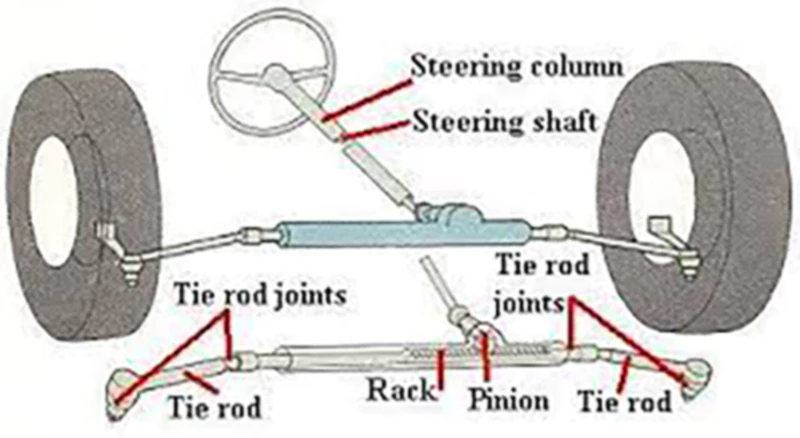
Rack and pinion steering is a type of steering mechanism commonly used in vehicles to control the direction of the front wheels. It involves the use of a rack, a long, straight bar with teeth, and a pinion gear. The rack is a linear component positioned horizontally and connected to the front wheels through tie rods. The pinion gear, which is a small gear, meshes with the teeth on the rack. The pinion gear is connected to the steering wheel via the steering column.
Advantages
1. Precise Steering Response
The rack and pinion steering system offers a high level of precision, allowing drivers to have a direct and immediate connection to the direction of the wheels. The linear motion of the rack translates the rotational input from the steering wheel into an accurate and predictable movement of the front wheels. This precision is crucial for performance driving and helps improve the overall handling of the vehicle.
2. Compact Design
The rack and pinion mechanism is known for its compact design, making it ideal for modern vehicles where space is often at a premium. Unlike more complex steering systems, the rack and pinion setup requires fewer parts and occupies less space under the hood. This compactness also contributes to weight reduction, which can enhance vehicle efficiency and performance.
3. Reduced Friction
The simplicity of the rack and pinion design results in reduced friction between moving parts, leading to smoother steering action. This reduction in friction not only makes the steering more responsive but also contributes to the longevity of the steering components. Over time, lower friction means less wear and tear, reducing the need for frequent maintenance.
4. Easy Maintenance
Rack and pinion steering systems are relatively easy to maintain compared to other types of steering mechanisms. The straightforward design allows for easier access to components, simplifying inspection, lubrication, and repairs. Regular maintenance tasks such as checking and replacing tie rods or adjusting the alignment can be performed without extensive disassembly.
5. Cost-effectiveness
The cost-effectiveness of rack and pinion steering systems is another significant advantage. Due to their simpler construction and fewer moving parts, these systems are generally less expensive to manufacture and repair. This cost efficiency makes rack and pinion steering a popular choice for manufacturers and end-users alike.
6. Durability
Rack and pinion steering systems are known for their durability. The robust construction and straightforward mechanics mean that these systems can withstand the rigors of daily driving and offer a long service life. When properly maintained, rack and pinion systems can remain reliable and efficient for the lifespan of the vehicle.
7. Environmental Benefits
With their reduced weight and enhanced efficiency, rack and pinion steering systems can contribute to better fuel economy. This improved efficiency results in lower emissions and a smaller environmental footprint. Additionally, the use of fewer materials in the construction of these systems aligns with sustainability goals in automotive manufacturing.

Working Principle
1. The Steering Wheel
The driver’s input begins at the steering wheel. When the driver turns the steering wheel, it initiates the steering process by transmitting rotational motion through the steering column.
2. The Steering Column
The steering column connects the steering wheel to the pinion gear. It serves as the conduit for the driver¡¯s inputs, converting the rotational motion of the wheel into mechanical force that acts on the pinion gear.
3. The Pinion Gear
The pinion gear is a small, toothed gear that engages with the teeth on the rack. As the steering column rotates the pinion gear, it translates this motion into linear movement along the rack.
4. The Rack
The rack is a straight, toothed bar that moves horizontally in response to the rotation of the pinion gear. The linear motion of the rack pushes or pulls the tie rods, which in turn, move the steering knuckles.
5. The Tie Rods
The tie rods are crucial links that transfer the mechanical force from the rack to the steering knuckles. These rods adjust the angle of the front wheels, enabling them to turn in the desired direction.
6. The Steering Knuckles
The steering knuckles are pivot points located at the wheels. They receive the directional force from the tie rods, causing the wheels to pivot and changing the vehicle’s direction.
7. Turning the Wheels
As the steering knuckles pivot, they turn the front wheels. The precise movement of the rack ensures that the wheels align with the driver¡¯s input, allowing for smooth and accurate steering.
8. Power Steering
Many modern vehicles incorporate power steering systems to assist the driver. Hydraulic or electric power steering mechanisms provide additional force, making it easier to turn the steering wheel, especially at lower speeds or when the vehicle is stationary.

Applications
1. Passenger Cars
Rack and pinion steering is widely used in passenger cars due to its efficiency and compact design. It offers precise control, which is essential for the safety and comfort of everyday driving.
2. Trucks and SUVs
Heavy-duty vehicles like trucks and SUVs benefit from the durability and reliability of rack and pinion steering systems. These vehicles require robust steering mechanisms to handle more demanding driving conditions.
3. Buses
Buses, which require accurate and steady steering for safe passenger transport, also utilize rack and pinion systems. The ease of maintenance and reliability make it a preferred choice for public transportation.
4. Motorcycles
While less common, some motorcycles use a modified version of rack and pinion steering for enhanced steering precision and stability. This adaptation is usually seen in high-performance or custom-built models.
5. Off-Road Vehicles
Off-road vehicles demand reliable and sturdy steering systems to navigate rough terrains. Rack and pinion steering provides the necessary durability and responsiveness for off-road adventures.
6. Heavy-Duty Vehicles
In industries such as construction and agriculture, heavy-duty vehicles rely on robust steering systems. Rack and pinion setups offer the strength and reliability needed for these demanding applications.


Installation and Maintenance
Installation
1. Select the Right System
Choosing the appropriate rack and pinion steering system for your vehicle is crucial. Consider factors such as vehicle type, weight, and intended use.
2. Prepare the Vehicle
Before installation, ensure the vehicle is properly prepared. This may involve raising the vehicle and securing it on jack stands.
3. Remove the Old Steering System
Carefully dismantle and remove the existing steering system, ensuring that all components are safely disconnected.
4. Mount the Rack
Position the new rack and pinion unit in place, securing it with the appropriate mounting hardware. Ensure it is aligned correctly.
5. Connect the Steering Column
Attach the steering column to the pinion gear, ensuring a secure and precise connection.
6. Install Tie Rods and Linkages
Connect the tie rods to the rack and the steering knuckles, making sure all linkages are properly aligned and tightened.
7. Check Clearances and Interferences
Verify that there are no interferences or clearance issues with the newly installed system. Adjust as necessary to ensure smooth operation.
Maintenance
1. Regular Inspections
Perform regular inspections of the steering system to identify any wear or damage early. This proactive approach can prevent more significant issues down the line.
2. Fluid Level and Quality
For power steering systems, regularly check the fluid level and quality. Low or contaminated fluid can affect steering performance and cause damage.
3. Lubrication
Ensure that all moving parts are adequately lubricated to minimize friction and wear. Regular lubrication can extend the life of the steering components.
4. Wheel Alignment
Proper wheel alignment is crucial for the optimal performance of the steering system. Regularly check and adjust alignment to ensure safe and efficient operation.
5. Address Issues Promptly
Any issues such as unusual noises, vibrations, or changes in steering response should be addressed promptly to avoid further damage.
6. Professional Servicing
Consider professional servicing for complex maintenance tasks. Skilled technicians can provide thorough inspections and repairs, ensuring the steering system remains in top condition.
