What are the key elements to consider when designing a custom Planetary Carrier?
1. Gear Ratio
The gear ratio is one of the most important considerations when designing a custom planetary carrier. It determines the speed and torque output of the gear system. The gear ratio is calculated by dividing the number of teeth on the ring gear by the number of teeth on the sun gear.
2. Load Capacity
The load capacity of the planetary carrier is crucial in ensuring that it can handle the required torque and weight. Factors such as the material strength, gear profile, and bearing capacity should be taken into account during the design process.
3. Bearing Selection
Choosing the right type and size of bearings is essential for the smooth operation and longevity of the planetary carrier. Factors to consider include load capacity, rotational speed, and the desired level of precision.
4. Lubrication System
An efficient lubrication system is necessary to reduce friction and wear within the planetary carrier. The selection of the lubricant and the design of the lubrication system should be carefully considered to ensure optimal performance and longevity.
5. Noise and Vibration
Minimizing noise and vibration is crucial for enhancing the overall performance and user experience of the planetary carrier. Proper gear design, material selection, and balancing techniques can help reduce noise and vibration levels.
6. Thermal Management
Effective thermal management is essential to prevent overheating and ensure the longevity of the planetary carrier. Heat dissipation techniques such as cooling fins, oil circulation systems, and proper ventilation should be incorporated into the design.
7. Material Selection
Choosing the right materials for the planetary carrier is crucial for achieving the desired strength, durability, and weight characteristics. Factors such as material hardness, fatigue resistance, and compatibility with lubricants should be considered during the material selection process.
8. Manufacturing Precision
The manufacturing precision of the planetary carrier is essential to ensure proper gear meshing, minimal backlash, and overall performance. High-quality machining and assembly processes, along with strict quality control measures, should be implemented during production.
9. Structural Rigidity
The structural rigidity of the planetary carrier is necessary to withstand the forces and stresses experienced during operation. Rigidity can be improved through design optimization, material selection, and reinforcement techniques.
10. Dimensional Compatibility
Ensuring dimensional compatibility with other components in the gear system is vital for proper assembly and functionality. Accurate measurements and adherence to industry standards are crucial to achieve seamless integration.
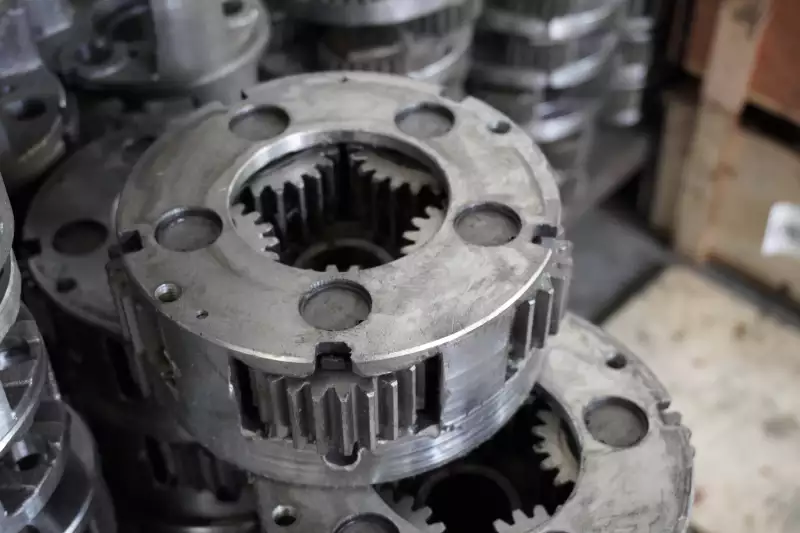
Optimization Design of Planetary Gear Carrier
1. Weight Reduction and Stiffness Enhancement Strategies
To optimize the design of a planetary gear carrier, weight reduction and stiffness enhancement strategies are crucial. These include the use of lightweight materials, such as advanced composites, and the incorporation of structural reinforcements, such as ribs or gussets, to improve stiffness.
2. Heat Treatment and Surface Treatment Techniques
Heat treatment and surface treatment techniques are essential for enhancing the wear resistance and fatigue strength of the planetary gear carrier. Processes such as carburizing, nitriding, and shot peening improve the surface hardness and durability of the gear components.
3. Wear and Fatigue-Resistant Design
Designing the planetary gear carrier to be wear and fatigue-resistant is crucial to ensure its long-term reliability. This can be achieved through the use of hardened surfaces, optimized tooth profiles, and the incorporation of lubrication and cooling systems.
4. Precision Machining and Assembly Requirements
The precision machining and assembly of the planetary gear carrier are critical for achieving the desired performance and functionality. Tight tolerances, accurate tooth profiles, and proper gear meshing are essential for optimal operation.

Applications and Specific Use Cases of Planetary Gear Carrier
The planetary gear carrier finds applications in various mechanical systems, where it plays a crucial role in transmitting torque and controlling speed. Some specific applications and use cases include:
1. Automotive Transmissions
In automotive transmissions, the planetary gear carrier is responsible for providing different gear ratios, allowing for smooth acceleration and efficient power transfer.
2. Robotics and Automation
Planetary gear carriers are widely used in robotics and automation systems, where they provide precise motion control and high torque output.
3. Wind Turbine Gearboxes
Wind turbine gearboxes utilize planetary gear carriers to transmit and convert the rotational motion of the blades into electricity.
4. Industrial Machinery
Planetary gear carriers are used in various industrial machinery, such as conveyor systems, cranes, and machine tools, to provide reliable and efficient power transmission.
Daily Maintenance and Troubleshooting of Planetary Gear Carrier
To ensure the optimal performance and longevity of the planetary gear carrier, the following maintenance and troubleshooting practices should be followed:
1. Regular lubrication and oil change to prevent excessive wear and friction.
2. Periodic inspection of gear teeth for signs of wear, pitting, or damage.
3. Monitoring of temperature levels to detect possible overheating issues.
4. Tightening or replacement of loose or damaged fasteners and components.
5. Identification and rectification of abnormal noise or vibration during operation.
Advantages of Our Company’s Planetary Gear Carrier
1. High Load Capacity: Our planetary gear carriers are designed to handle heavy loads and provide reliable torque transmission.
2. Superior Durability: Through advanced material selection and heat treatment techniques, our gear carriers offer exceptional wear and fatigue resistance.
3. Precision Engineering: With our state-of-the-art manufacturing processes and stringent quality control, our gear carriers exhibit precise gear meshing and minimal backlash.
4. Customizable Design: We offer flexible design options to meet specific customer requirements, ensuring optimal performance and compatibility.
5. Efficient Production Process: Our streamlined production process ensures timely delivery without compromising on quality.
At our company, we strive to provide innovative and reliable solutions for planetary gear carriers. With our expertise in design, manufacturing, and optimization, we guarantee superior performance and durability. Contact us today to discuss your specific requirements and unlock the full potential of your gear systems.
Author: Miya