How does a Planetary Carrier contribute to the regenerative braking capability in hybrid and electric vehicles?
In hybrid and electric vehicles, the Planetary Carrier plays a crucial role in enabling regenerative braking, a key feature that enhances the overall efficiency and performance of these vehicles. In this article, we will explore the different aspects of how a Planetary Carrier contributes to the regenerative braking capability in hybrid and electric vehicles, shedding light on its intricate mechanisms and functionalities.
1. Understanding the Planetary Carrier
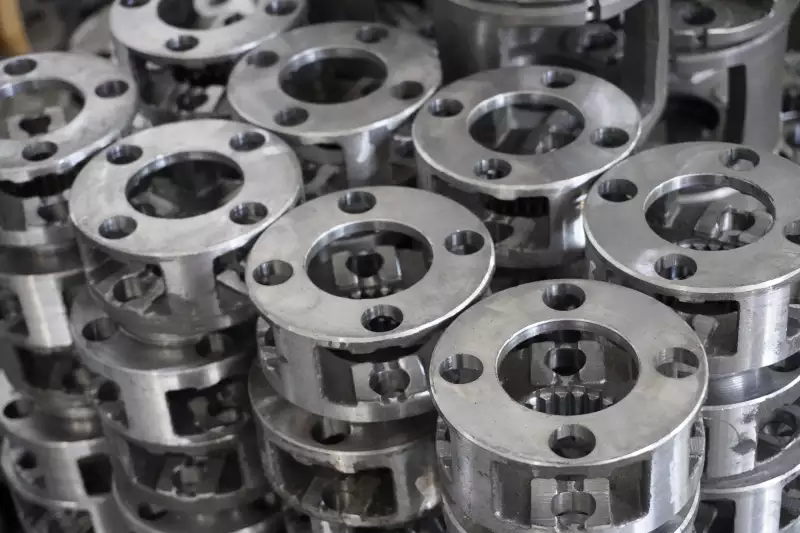
The Planetary Carrier is a fundamental component in the planetary gear system of hybrid and electric vehicles. It is responsible for transferring torque between the engine, the electric motor, and the wheels, allowing for various modes of operation including regenerative braking.
2. Role of the Planetary Carrier in Regenerative Braking
During regenerative braking, the Planetary Carrier acts as a mechanism to capture and store kinetic energy that would normally be lost during conventional braking. This energy is converted into electrical energy and stored in the vehicle’s battery for later use, thereby increasing the overall energy efficiency and range of the vehicle.
3. Torque Distribution and Power Split
The Planetary Carrier enables seamless torque distribution and power split between the engine, electric motor, and wheels during regenerative braking. It ensures that the torque generated by the wheels during braking is efficiently transferred to the electric motor, which then acts as a generator to convert the kinetic energy into electrical energy.
4. Mechanical Advantage and Gear Ratios
The Planetary Carrier is designed with specific gear ratios that provide a mechanical advantage during regenerative braking. These gear ratios optimize the torque and speed conversion, enabling efficient energy transfer while maintaining the desired vehicle deceleration.
5. Control Systems and Electronics Integration
The Planetary Carrier is closely integrated with the vehicle’s control systems and electronics, enabling precise control and modulation of regenerative braking. The control algorithms monitor various parameters such as vehicle speed, battery state of charge, and braking force to optimize the regenerative braking performance.
6. Optimization Strategies for Planetary Carrier Design
Optimizing the design of the Planetary Carrier involves several strategies to reduce weight and improve rigidity. Advanced materials, such as high-strength alloys and composite materials, are employed to achieve weight reduction without compromising structural integrity. Additionally, innovative geometries and structural configurations are utilized to enhance the overall rigidity of the Planetary Carrier.

7. Heat Treatment and Surface Processing Techniques
Heat treatment and surface processing techniques are employed to enhance the durability and wear resistance of the Planetary Carrier. Processes such as carburizing, nitriding, and shot peening are commonly utilized to improve the surface hardness and fatigue strength, ensuring reliable performance and longevity of the Planetary Carrier.
8. Wear and Fatigue Resistant Design
The Planetary Carrier is designed with specific features and engineering considerations to resist wear and fatigue. Advanced lubrication systems, such as oil jet cooling, are implemented to reduce friction and dissipate heat, thereby minimizing wear and enhancing the overall durability of the Planetary Carrier.
9. Precision Manufacturing and Assembly Requirements
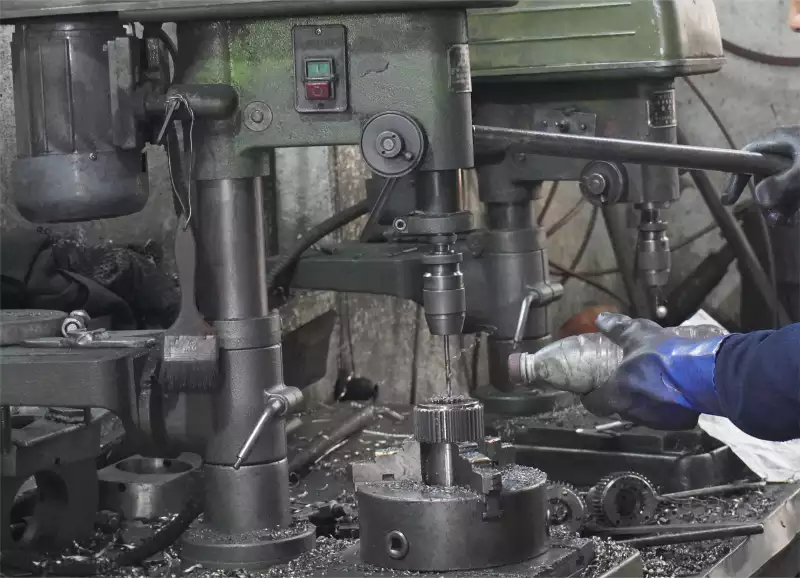
Precision manufacturing and assembly processes are essential to ensure the dimensional accuracy and proper alignment of the Planetary Carrier. Tight tolerances and stringent quality control measures are implemented to guarantee optimal performance and functionality of the Planetary Carrier in hybrid and electric vehicles.
10. Application and Specific Use Cases
The Planetary Carrier finds extensive application in various mechanical systems of hybrid and electric vehicles. It is commonly used in the transmission system, differential, and regenerative braking system. The Planetary Carrier’s ability to efficiently transfer torque and facilitate regenerative braking makes it a critical component in improving the overall efficiency and sustainability of these vehicles.
Author: Miya

Optimization Design of the Planetary Gear Carrier
In order to enhance the performance and reliability of the Planetary Gear Carrier, several optimization strategies are employed. These strategies focus on reducing weight and improving rigidity, heat treatment and surface processing techniques, wear and fatigue-resistant design, as well as precision manufacturing and assembly requirements.
1. Weight Reduction and Rigidity Enhancement Strategies:
– Utilizing lightweight materials such as aluminum alloys and carbon fiber composites
– Implementing advanced structural configurations and geometries
2. Heat Treatment and Surface Processing Techniques:
– Carburizing: a heat treatment process that introduces carbon into the surface layer to create a hardened surface
– Nitriding: a surface hardening technique that improves wear resistance and fatigue strength
– Shot peening: a process that bombards the surface with small metallic shots to induce compressive stresses and improve fatigue resistance
3. Wear and Fatigue Resistant Design:
– Incorporating advanced lubrication systems, such as oil jet cooling, to reduce friction and dissipate heat
– Applying specialized coatings or surface treatments to enhance wear resistance
4. Precision Manufacturing and Assembly:
– Adhering to tight tolerances and quality control measures during manufacturing
– Ensuring proper alignment and dimensional accuracy during assembly
Application and Specific Use Cases
The Planetary Gear Carrier is widely utilized in various mechanical systems and applications, including:
1. Automotive Transmissions: The Planetary Gear Carrier is an integral component of automatic transmissions, enabling smooth gear shifting and efficient torque transfer.
2. Wind Turbines: In wind turbine gearboxes, the Planetary Gear Carrier plays a crucial role in converting the rotational motion of the blades into electrical energy.
3. Robotics and Industrial Machinery: Planetary Gear Carriers are used in robotic systems and industrial machinery to transmit torque and control rotational motion.
4. Aerospace Applications: The aerospace industry relies on the Planetary Gear Carrier for various systems, including landing gear mechanisms and auxiliary power units (APUs).
Daily Maintenance and Troubleshooting of Planetary Gear Carrier
Effective maintenance and troubleshooting practices are crucial for ensuring the optimal performance and longevity of the Planetary Gear Carrier. Here are some key points to consider:
1. Regular Lubrication: Proper lubrication is essential to minimize friction and wear. Follow the manufacturer’s guidelines for lubricant selection, application, and replacement intervals.
2. Inspection and Cleaning: Regularly inspect the Planetary Gear Carrier for any signs of wear, damage, or contamination. Clean the components as necessary to remove debris and ensure smooth operation.
3. Monitoring Vibration and Noise: Pay attention to any abnormal vibration or noise during operation, as it could indicate potential issues with the Planetary Gear Carrier. Take immediate action to investigate and resolve the problem.
4. Proper Alignment: Ensure that the Planetary Gear Carrier is properly aligned with other components in the system. Misalignment can cause excessive stress and premature failure.
5. Professional Maintenance: If you encounter any complex issues or require specialized maintenance, it is advisable to seek assistance from trained professionals or authorized service centers.
Advantages of our Company’s Planetary Gear Carrier
1. Superior Quality: Our Planetary Gear Carriers are manufactured using advanced techniques and high-quality materials, ensuring exceptional performance and durability.
2. Customization Options: We offer a wide range of customization options to meet the specific requirements of different applications and industries.
3. Prompt Delivery: We prioritize timely delivery to ensure our customers receive the Planetary Gear Carriers when they need them.
4. Efficient Manufacturing Process: Our streamlined manufacturing process allows us to maintain competitive pricing without compromising on quality.
5. Excellent Customer Service: We pride ourselves on providing exceptional customer service, offering technical support and guidance throughout the purchasing and implementation process.
Contact us today to discover how our superior Planetary Gear Carriers can enhance the performance of your hybrid and electric vehicles.
Author: Miya