What are the considerations when replacing a rack and pinion steering system?
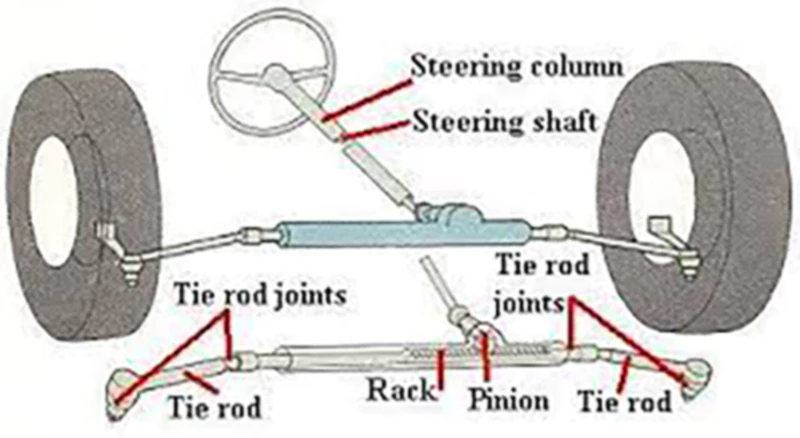
Rack and pinion steering is a type of steering mechanism commonly used in vehicles to control the direction of the front wheels. It involves the use of a rack, a long, straight bar with teeth, and a pinion gear. The rack is a linear component positioned horizontally and connected to the front wheels through tie rods. The pinion gear, which is a small gear, meshes with the teeth on the rack. The pinion gear is connected to the steering wheel via the steering column.
Advantages of Rack and Pinion Steering Systems
1. Precise Steering Response
The rack and pinion steering system is renowned for its precise steering response. This design ensures that the driver’s input at the steering wheel is accurately translated into the movement of the wheels. This precision is critical, especially when navigating through tight corners or during high-speed maneuvers. The direct connection between the steering wheel and the wheels provides the driver with excellent feedback, enhancing the overall driving experience.
2. Compact Design
One of the standout features of rack and pinion steering systems is their compact design. Unlike other steering mechanisms that can be bulky and complex, rack and pinion systems are streamlined and easy to integrate into the vehicle’s chassis. This compactness not only saves space but also reduces the overall weight of the vehicle, contributing to improved fuel efficiency and performance.
3. Reduced Friction
Rack and pinion steering systems are engineered to minimize friction. The meshing of the pinion gear with the rack ensures smooth and effortless steering. Reduced friction means less wear and tear on the components, leading to a longer service life and reduced maintenance requirements. This efficiency is particularly beneficial in enhancing the vehicle’s overall reliability and performance.
4. Easy Maintenance
Maintaining a rack and pinion steering system is relatively straightforward. The components are easily accessible, and the system’s design simplifies routine inspections and adjustments. This ease of maintenance ensures that any issues can be promptly addressed, preventing potential failures and ensuring the longevity of the system.
5. Cost-effectiveness
The cost-effectiveness of rack and pinion steering systems is another significant advantage. Their simple design and fewer moving parts make them less expensive to produce and maintain compared to other steering mechanisms. This affordability makes them a popular choice for a wide range of vehicles, from compact cars to heavy-duty trucks.
6. Durability
Durability is a key characteristic of rack and pinion steering systems. The robust construction of the rack and pinion components ensures they can withstand the rigors of daily driving, including exposure to harsh environmental conditions. This durability translates to a longer lifespan, reducing the need for frequent replacements and repairs.
7. Environmental Benefits
Rack and pinion steering systems contribute to environmental sustainability. Their efficient design and reduced friction result in lower energy consumption, which translates to better fuel economy and reduced emissions. By choosing rack and pinion steering, vehicle manufacturers and owners can play a part in minimizing their environmental footprint.

How Rack and Pinion Steering Works
1. The Steering Wheel
The process begins with the driver turning the steering wheel. This action initiates the movement of the pinion gear, setting the entire system into motion. The steering wheel’s rotation is directly proportional to the direction and degree of the vehicle’s turn.
2. The Steering Column
The steering column connects the steering wheel to the pinion gear. It transmits the rotational force from the driver’s input to the pinion, ensuring that the vehicle’s wheels respond accordingly. The steering column is a critical component, ensuring precise control and safety.
3. The Pinion Gear
The pinion gear is a small, round gear connected to the steering column. As the steering wheel turns, the pinion gear rotates, engaging with the teeth on the rack. This interaction translates the rotational motion of the pinion into the linear movement of the rack.
4. The Rack
The rack is a straight, horizontally oriented bar with teeth that mesh with the pinion gear. As the pinion gear turns, it moves the rack in a linear direction, either to the left or right, depending on the steering input. This linear motion of the rack is essential for turning the vehicle’s wheels.
5. The Tie Rods
Tie rods connect the rack to the steering knuckles at the wheels. They transfer the linear motion of the rack to the steering knuckles, ensuring that the wheels turn in the desired direction. The tie rods play a crucial role in maintaining steering precision and stability.
6. The Steering Knuckles
The steering knuckles are pivotal points that connect the tie rods to the wheels. They enable the wheels to pivot as the tie rods push or pull on them, facilitating the vehicle’s turning motion. The steering knuckles must be highly durable to withstand the forces exerted during steering.
7. Turning the Wheels
As the steering knuckles pivot, they turn the vehicle’s wheels. The precise coordination of the steering components ensures that the wheels respond accurately to the driver’s input, providing smooth and controlled steering.
8. Power Steering
Many rack and pinion systems incorporate power steering to assist the driver. Power steering uses hydraulic or electric systems to enhance the steering effort, making it easier to turn the wheel, especially at low speeds or when the vehicle is stationary.

Applications of Rack and Pinion Steering Systems
1. Passenger Cars
Rack and pinion steering systems are widely used in passenger cars due to their precision and reliability. They provide a smooth and responsive driving experience, making them a preferred choice for modern automobiles.
2. Trucks and SUVs
Trucks and SUVs benefit from rack and pinion steering systems as well. These vehicles require robust and durable steering mechanisms to handle their larger size and weight, and rack and pinion systems deliver the necessary performance.
3. Buses
Buses utilize rack and pinion steering systems to ensure safe and reliable transportation. The precise steering response and ease of maintenance make them suitable for public transportation vehicles that require consistent and dependable operation.
4. Motorcycles
Motorcycles also employ rack and pinion steering systems to achieve precise control and maneuverability. The compact design of these systems is particularly advantageous for motorcycles, where space is limited, and weight is a critical factor.
5. Off-Road Vehicles
Off-road vehicles rely on rack and pinion steering systems for their ruggedness and durability. These systems can withstand the harsh conditions and demanding terrains that off-road vehicles encounter, ensuring reliable performance in challenging environments.
6. Heavy-Duty Vehicles
Heavy-duty vehicles, such as construction equipment and industrial trucks, use rack and pinion steering systems for their strength and reliability. These systems provide the necessary control and precision for handling heavy loads and demanding tasks.


Installation and Maintenance of Rack and Pinion Steering Systems
Installation
1. Select the Right System
Choosing the appropriate rack and pinion steering system for your vehicle is crucial. Consider compatibility, size, and the specific requirements of your vehicle to ensure a proper fit and optimal performance.
2. Prepare the Vehicle
Before installation, ensure the vehicle is properly prepared. This includes lifting the vehicle, securing it on stands, and removing any components that may obstruct access to the steering system.
3. Remove the Old Steering System
Carefully remove the existing steering system from the vehicle. This process involves disconnecting the steering column, tie rods, and other related components. Take note of the order of removal for easier reinstallation.
4. Mount the Rack
Position the new rack and pinion steering system in place. Secure it firmly to the vehicle’s chassis using the appropriate mounting brackets and hardware. Ensure it is aligned correctly for proper operation.
5. Connect the Steering Column
Reattach the steering column to the pinion gear. Ensure that it is securely connected and that there are no loose or misaligned parts. Proper connection is essential for accurate steering response.
6. Install Tie Rods and Linkages
Reconnect the tie rods and other linkages to the rack and pinion system. Ensure all connections are tight and secure. Proper installation of these components is critical for maintaining steering precision and stability.
7. Check Clearances and Interferences
Before completing the installation, check for any clearances or potential interferences. Ensure that all components move freely and do not obstruct each other. Make any necessary adjustments to achieve proper alignment.