Coal mining is one of the most demanding industries in the world, requiring heavy-duty machinery that can withstand extreme weather conditions, including cold temperatures. Conveyor chains are a crucial part of coal mining operations, but they face significant challenges in cold weather that can impact their performance and reliability. In this article, we will explore the challenges of operating coal mining conveyor chains in cold weather and discuss ways to overcome them.
Introduction
Coal mining conveyor chains are designed to move coal from one point to another. They are subjected to high loads and severe operating conditions, including dust, dirt, and water. Conveyor chains must be durable, reliable, and resistant to wear and tear. However, when operating in cold weather, these chains face several challenges, including:
Low Temperature
Conveyor chains are made of steel, which becomes brittle in low temperatures. When the temperature drops below the critical temperature, the steel becomes more prone to cracking and breaking. This can cause the chain to fail, leading to downtime and loss of productivity.
Icing
In cold weather, moisture in the air can condense and freeze on the chain’s surface. Ice buildup can cause the chain to become stiff and inflexible, leading to increased wear and tear. Icing can also cause the chain to jump off the sprockets, leading to chain damage and system failure.
Wear and Tear
Cold weather can cause increased wear and tear on conveyor chains. The lubricants used in the chains become thicker and less effective, leading to increased friction and wear. This can cause the chains to stretch, leading to poor performance and reduced chain life.
Maintenance
Maintenance of conveyor chains is crucial in cold weather. It is essential to check the chains regularly for signs of wear and tear and to lubricate them properly to ensure smooth operation. However, maintenance in cold weather can be challenging, as the lubricants used must be able to withstand low temperatures.
Safety Issues
Cold weather can also pose safety issues for workers. Slippery surfaces due to ice buildup can cause falls and injuries. Workers must take precautions when working around conveyor chains in cold weather to ensure their safety.
How to Overcome These Challenges?
There are several ways to overcome the challenges of operating coal mining conveyor chains in cold weather:
Use of High-Quality Chains
Using high-quality conveyor chains designed to operate in cold weather can significantly reduce the risk of chain failure. These chains are made of high-strength steel and are designed to withstand low temperatures and harsh operating conditions. They are also resistant to wear and tear, which can increase chain life and reduce downtime.
Proper Lubrication
Proper lubrication is crucial for the smooth operation of conveyor chains. In cold weather, it is essential to use lubricants that can withstand low temperatures and remain effective. The lubrication schedule should also be increased in cold weather to ensure the chains are adequately lubricated.
Ice Removal
To prevent ice buildup on conveyor chains, it is essential to remove any ice buildup regularly. This can be done by using heat or a de-icing solution. Removing ice buildup can increase chain life and prevent system failure.
Regular Maintenance
Regular maintenance is crucial for the smooth operation of conveyor chains in cold weather. The chains should be checked regularly for signs of wear and tear, and any issues should be addressed promptly. The lubrication schedule should also be increased in cold weather to ensure the chains are adequately lubricated.
Worker Safety
Worker safety is paramount when working around conveyor chains in cold weather. Workers should be trained on how to work safely in cold weather, and appropriate personal protective equipment should be provided. Workers should also be trained to recognize the signs of cold stress and how to prevent it.
Sprockets for Mining Chains
Sprockets are an essential component of conveyor chains. They help to drive the chains and ensure proper chain tension. In coal mining operations, sprockets must be designed to operate in harsh environments and withstand extreme loads and temperatures. The relationship between mining chains and sprockets is one of mutual dependence. Without sprockets, chains cannot perform their intended functions. Similarly, without chains, sprockets cannot transmit power. Therefore, it is crucial to use high-quality sprockets that can withstand the harsh operating conditions of coal mining operations. High-quality sprockets can increase chain life and reduce downtime, leading to increased productivity and profitability.
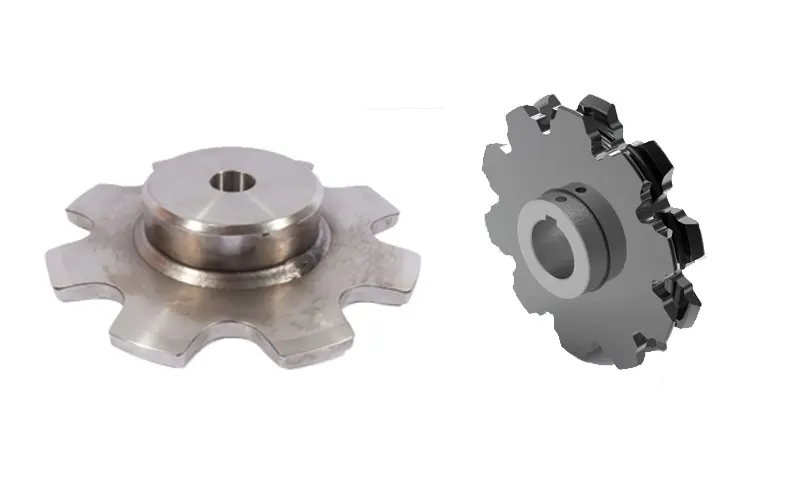
About Ever-power
Ever-power is a leading manufacturer and supplier of mining chains and sprockets. Our chains and sprockets are designed to operate in harsh environments and withstand extreme loads and temperatures. We use high-quality materials and advanced manufacturing techniques to ensure our products are durable, reliable, and efficient. Our chains and sprockets are used in coal mining operations worldwide and are known for their high quality and reliability.
Our Advantages
- High-quality materials
- Advanced manufacturing techniques
- Durable and reliable products
- Efficient performance
- Competitive prices
- Excellent customer service
We are committed to providing our customers with the best products and services possible. Our experienced team of professionals is dedicated to ensuring our customers’ satisfaction and providing them with the support they need to operate their coal mining operations efficiently and safely.
If you are interested in our mining chains and sprockets, we encourage you to explore our products and contact us for more information. We are confident that our products will meet your needs and exceed your expectations.

Q&A
Q: How often should conveyor chains be lubricated in cold weather?
A: Conveyor chains should be lubricated more frequently in cold weather to ensure smooth operation. The lubrication schedule should be increased to compensate for the thicker, less effective lubricants used in cold weather.
Q: What is the critical temperature for steel in cold weather?
A: The critical temperature for steel varies depending on the grade of steel. However, in general, steel becomes brittle and more prone to cracking and breaking at temperatures below -20¡ãC.
Q: How can workers prevent cold stress when working around conveyor chains in cold weather?
A: Workers can prevent cold stress by wearing appropriate clothing, taking frequent breaks in warm areas, and staying hydrated. They should also be trained to recognize the signs of cold stress and seek medical attention if necessary.