Introduction
Coal mining is a high-risk industry, and conveyor chains are one of the most important components of mining operations. Conveyor chains are responsible for transporting tons of coal every day, and they need to be maintained and inspected frequently to ensure safe and efficient operation. Conducting a risk assessment for conveyor chains is critical to identifying potential hazards and reducing the risk of accidents in the mining industry.
Understanding Conveyor Chain Risks
Overview of Conveyor Chains
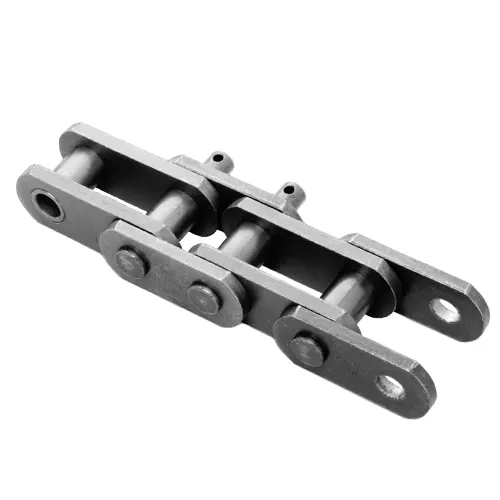
Conveyor chains are used to move heavy loads of materials in various industries, such as mining, cement, and power generation. In the mining industry, conveyor chains are commonly used to transport coal, minerals, and other materials to processing plants or storage areas. Conveyor chains consist of a series of interconnected links that rotate around sprockets, pulling the load along the conveyor line.
Potential Hazards of Conveyor Chains
Conveyor chains can cause a variety of hazards in the mining industry, including:
- Chain breakage or failure
- Spillage of materials from the conveyor
- Entanglement of workers in the chain or drive mechanism
- Collision with other equipment or objects
- Noise and vibration
Conducting a Risk Assessment for Conveyor Chains
Step 1: Identify the Hazards
The first step in conducting a risk assessment for conveyor chains is to identify all potential hazards associated with their operation. This can be done by reviewing safety records, conducting on-site inspections, and talking to workers and supervisors who are familiar with the equipment.
Step 2: Assess the Risks
Once all potential hazards have been identified, the next step is to assess the level of risk associated with each hazard. This can be done by considering the likelihood of the hazard occurring and the severity of the potential consequences.
Step 3: Control the Risks
The final step in conducting a risk assessment for conveyor chains is to implement control measures to reduce or eliminate the identified risks. This can be done by implementing engineering controls, administrative controls, and personal protective equipment.
Inspection and Maintenance of Conveyor Chains
Inspection
Regular inspections of conveyor chains are essential to identifying potential hazards and reducing the risk of accidents. Inspections should include:
- Checking for wear and damage to the chain links and sprockets
- Checking for proper lubrication of the chain
- Checking for proper tension of the chain
- Checking for proper alignment of the chain
Any defects or issues found during inspections should be immediately addressed and repaired.
Maintenance
Maintenance of conveyor chains should be performed according to the manufacturer’s recommendations and industry standards. This may include:
- Replacing worn or damaged components
- Lubricating the chain to reduce friction and wear
- Tightening or adjusting the chain tension as needed
- Aligning the chain to ensure proper operation
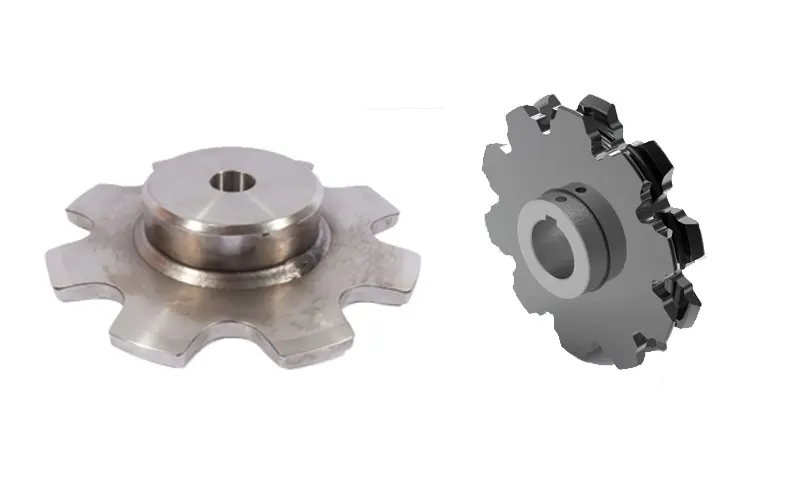
Sprockets for Mining Chains
Sprockets are an essential component of conveyor chains, and they play a critical role in ensuring safe and efficient operation. Properly designed and maintained sprockets can improve the lifespan of conveyor chains and reduce the risk of accidents.
About Ever-power
Ever-power is a leading manufacturer of high-quality conveyor chains for the mining industry. Our chains are designed to withstand the most demanding conditions and provide reliable performance for years to come.
Our Advantages
- High-quality materials and manufacturing processes
- Extensive experience in the mining industry
- Custom design and manufacturing capabilities
- Strict quality control measures
- Competitive pricing
- Outstanding customer service and support

Contact Us
If you are interested in our products or services, please contact us at any time. Our team of experts is always available to answer your questions and help you find the right solution for your needs.
Q&A
Q: How often should conveyor chains be inspected?
A: Conveyor chains should be inspected at least once a month or more frequently depending on the workload and operating conditions.
Q: What are the consequences of not maintaining conveyor chains?
A: Failure to maintain conveyor chains can result in chain breakage, material spillage, worker entanglement, and other hazards that can lead to accidents and injuries.
Q: What type of lubricant should be used for conveyor chains?
A: The type of lubricant used for conveyor chains depends on the operating conditions and the manufacturer’s recommendations. It is important to use a lubricant that is compatible with the chain material and has the appropriate viscosity and temperature range for the application.
Edited by: Zqq.