What are the Benefits of Rack and Pinion Steering in Terms of Maintenance and Repair?
Rack and pinion steering is a type of steering mechanism commonly used in vehicles to control the direction of the front wheels. It involves the use of a rack, a long, straight bar with teeth, and a pinion gear. The rack is a linear component positioned horizontally and connected to the front wheels through tie rods. The pinion gear, which is a small gear, meshes with the teeth on the rack. The pinion gear is connected to the steering wheel via the steering column.
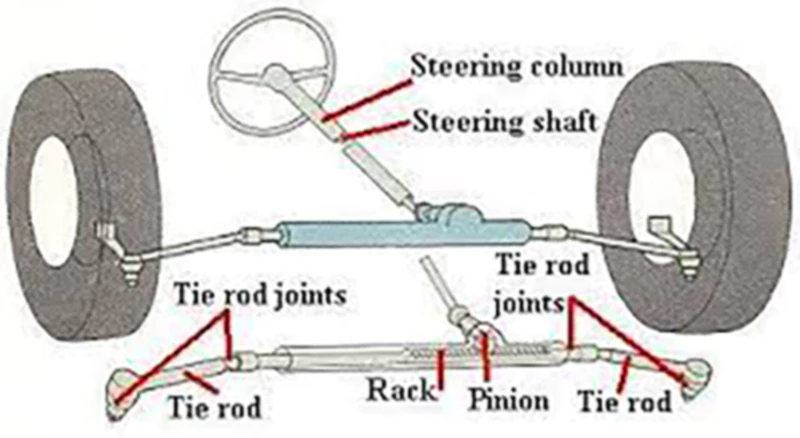
Advantages of Rack and Pinion Steering
1. Precise Steering Response
Rack and pinion steering systems provide precise steering response because the mechanism directly translates the rotational motion of the steering wheel into linear motion. This direct connection means that there is minimal play or slack between the steering inputs and the movement of the wheels. Such precision is crucial for high-performance vehicles and ensures a more controlled and predictable driving experience.
2. Compact Design
The compact design of rack and pinion steering systems is ideal for modern vehicles with limited space under the hood. Unlike recirculating ball systems, which require more components and space, the rack and pinion setup is straightforward and fits neatly within the vehicle¡¯s chassis. This compactness not only saves space but also reduces the overall weight of the steering system, contributing to better fuel efficiency.
3. Reduced Friction
Rack and pinion systems are designed to minimize friction, which reduces wear and tear on the components. The teeth of the rack and pinion gear mesh smoothly, ensuring that the motion is transferred efficiently without excessive resistance. Reduced friction results in less heat generation, extending the lifespan of the steering system and reducing the need for frequent maintenance.
4. Easy Maintenance
Maintaining a rack and pinion steering system is relatively straightforward. The simplicity of the design means there are fewer components that can fail or require adjustment. Regular inspections and basic maintenance, such as checking and topping up steering fluid, can keep the system in good working order. This ease of maintenance makes rack and pinion steering an attractive option for both vehicle owners and mechanics.
5. Cost-effectiveness
Rack and pinion steering systems are generally more cost-effective than other types of steering mechanisms. The materials and manufacturing processes used in their construction are less expensive, and the reduced number of components lowers the overall cost. This affordability extends to maintenance and repairs, as the straightforward design means fewer parts to replace and simpler repair procedures.

6. Durability
Rack and pinion steering systems are known for their durability. The components are designed to withstand the rigors of daily driving and harsh conditions. The materials used in their construction are typically robust, and the design minimizes the risk of component failure. This durability ensures a longer service life and reduces the frequency of replacements, providing long-term reliability for vehicle owners.
7. Environmental Benefits
The lightweight and efficient design of rack and pinion steering systems contribute to improved fuel economy, which in turn reduces the vehicle¡¯s carbon footprint. Moreover, the reduced need for frequent repairs and replacements means fewer parts are manufactured and disposed of, further lessening the environmental impact. As the automotive industry moves towards more sustainable practices, rack and pinion steering remains a favorable option.
How Rack and Pinion Steering Works
1. The Steering Wheel
The steering wheel is the interface between the driver and the steering system. When the driver turns the wheel, it initiates the steering process by transmitting force through the steering column to the pinion gear.
2. The Steering Column
The steering column connects the steering wheel to the pinion gear. It is a crucial component that ensures the driver’s inputs are accurately transferred to the steering mechanism.
3. The Pinion Gear
The pinion gear meshes with the rack’s teeth and converts the rotational motion from the steering wheel into linear motion. This interaction is essential for the precise control of the vehicle’s direction.
4. The Rack
The rack is a straight bar with teeth that interact with the pinion gear. As the pinion gear turns, it moves the rack laterally, which in turn adjusts the angle of the front wheels.
5. The Tie Rods
Tie rods connect the ends of the rack to the wheel hubs. They play a critical role in transmitting the lateral motion from the rack to the wheels, allowing them to turn in response to the driver’s inputs.
6. The Steering Knuckles
Steering knuckles are connected to the tie rods and the wheel hubs. They pivot to allow the wheels to turn, ensuring the vehicle changes direction smoothly and efficiently.
7. Turning the Wheels
As the rack moves laterally, the tie rods push or pull on the steering knuckles, causing the wheels to turn. This precise movement is what allows the vehicle to navigate turns and corners accurately.
8. Power Steering
Many modern vehicles are equipped with power steering systems to assist the driver in turning the wheel. By using hydraulic or electric power, these systems reduce the effort needed to steer, making driving more comfortable and less strenuous.

Applications of Rack and Pinion Steering
1. Passenger Cars
Rack and pinion steering is widely used in passenger cars due to its precision and compact design. It provides drivers with responsive and accurate control, enhancing the overall driving experience.
2. Trucks and SUVs
Trucks and SUVs benefit from the durability and strength of rack and pinion steering systems. These vehicles often require robust steering mechanisms to handle rough terrain and heavy loads, making rack and pinion a suitable choice.
3. Buses
Buses, which require precise maneuverability in urban environments, utilize rack and pinion steering for its reliability and ease of maintenance. The system ensures that buses can navigate tight streets and corners efficiently.
4. Motorcycles
Though less common, some high-performance motorcycles incorporate rack and pinion steering for enhanced directional control. The system’s precision is particularly beneficial for competitive and high-speed riding.
5. Off-Road Vehicles
Off-road vehicles require steering systems that can withstand harsh conditions and tough terrain. Rack and pinion steering offers the necessary durability and control, making it ideal for off-road adventures.
6. Heavy-Duty Vehicles
Heavy-duty vehicles, such as construction and agricultural machinery, use rack and pinion steering for its robustness and reliability. These vehicles often operate in demanding environments, where durable steering systems are essential.


Installation and Maintenance
Installation
1. Select the Right System
Choosing the appropriate rack and pinion steering system for your vehicle is essential. Consider factors such as compatibility, vehicle type, and intended use.
2. Prepare the Vehicle
Before installation, ensure the vehicle is properly prepared. This includes securing it on a stable surface and removing any components that may obstruct access to the steering system.
3. Remove the Old Steering System
Carefully remove the existing steering system, taking note of the connections and components. This step may require specialized tools and should be done with caution.
4. Mount the Rack
Install the new rack in the designated position, ensuring it is securely mounted and aligned. Proper mounting is crucial for the system’s performance and safety.
5. Connect the Steering Column
Attach the steering column to the pinion gear, making sure the connection is firm and accurate. This link is vital for translating the driver’s inputs to the steering mechanism.
6. Install Tie Rods and Linkages
Connect the tie rods and other linkages to the rack. These components are essential for transmitting the motion of the rack to the wheels, enabling steering control.
7. Check Clearances and Interferences
After installation, inspect the system for any clearances or interferences that could affect its operation. Ensure all components move freely and are properly aligned.
Maintenance
1. Regular Inspections
Conduct regular inspections of the rack and pinion steering system to identify any signs of wear or damage. Early detection can prevent more serious issues and extend the system’s lifespan.
2. Fluid Level and Quality
Maintain the correct fluid level and quality in the steering system. Low or contaminated fluid can impair its performance and lead to component failure.
3. Lubrication
Ensure that all moving parts